


Hey Doc,
In 2020, I put everything I could on a dashboard: biomarkers, imaging, sleep, activity, recovery. Measuring gave me understanding. It guided interventions and helped me build better habits. Whether it changes outcomes or mortality, I can't say yet. But it made me fall in love with longevity medicine, and with the complexity of human systems biology.
Now patients arrive with dashboards of their own, often explained first by the companies that sell the tests. Our role is not to take the data away. It is to ask what it means, what it changes, and whether acting on it helps.
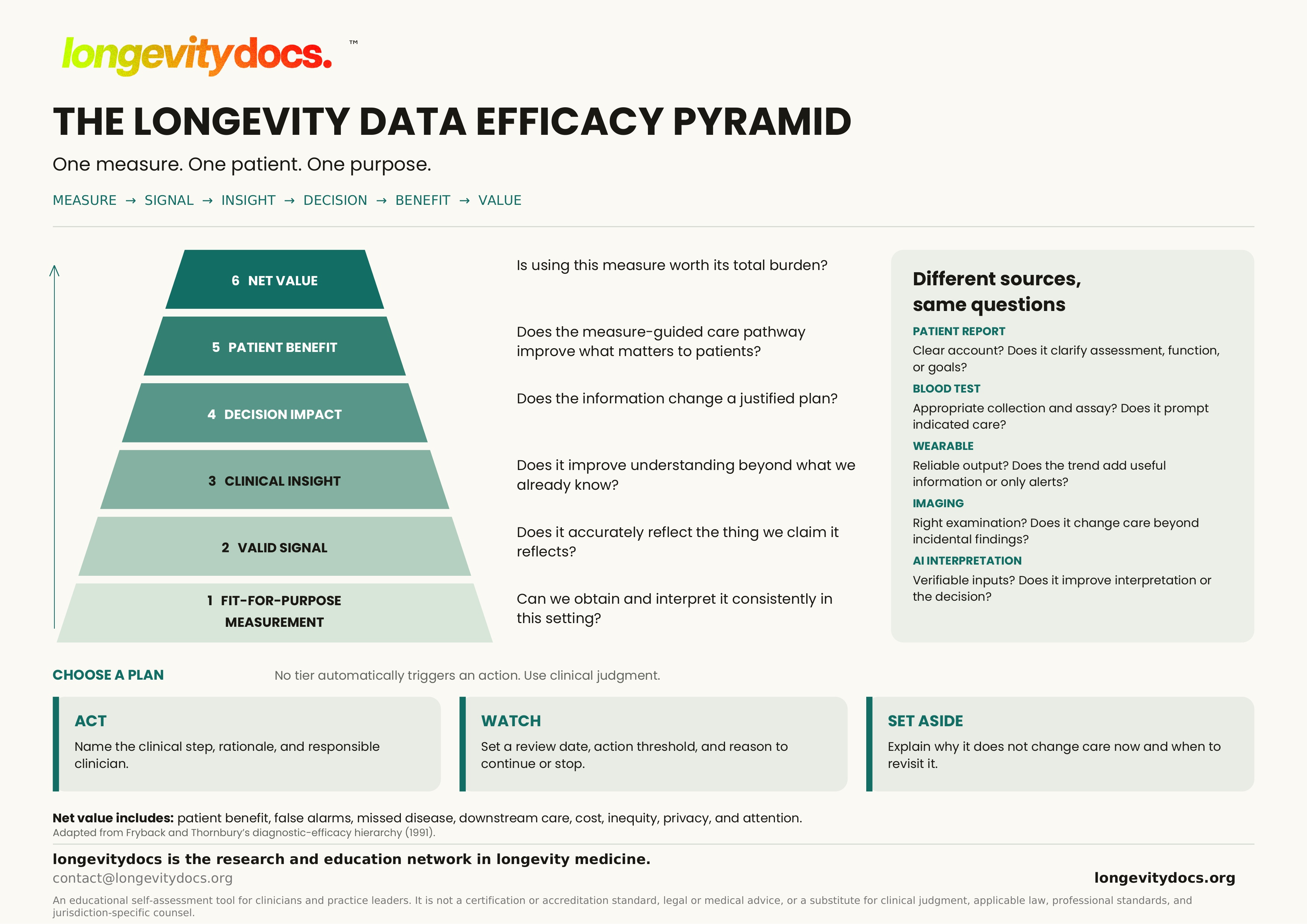
That is why I created the Longevity Data Efficacy Pyramid: six questions to help physicians and patients decide what to act on, what to watch, and what to set aside.
As always, Happy Sunday.
Dr. David Luu, Founder, longevitydocs.™

The Longevity Data Efficacy Pyramid
For years, we said we didn’t have enough data for precision medicine. Now we have more than we can interpret.
A patient arrives with a biological-age score, a glucose trace, a full-body MRI report, sleep data, and an AI summary connecting it all. She has invested time, money, and attention. Now she wants to know which number to fix first.
Apps and AI are already interpreting these numbers for her. What a dashboard can’t offer is clinical context, accountability, and a plan. That’s our part.
Give all data a job
Before you order, read, or repeat a result, finish this sentence with the patient:
“We are measuring this so we can decide whether to…”
The decision might be to diagnose a condition, estimate risk, monitor treatment, support a habit, or stop testing.
Accuracy and value are separate questions. Fryback and Thornbury separated a test's technical performance from its effect on decisions and outcomes. The CDC's ACCE model does the same for genetic tests.
The pyramid
We adapted that logic for longevity care: one measure, one patient, one purpose. For each measure, ask how far the evidence supports using it for this particular purpose. The pyramid evaluates a use, and it works the same way for a lipid panel and an epigenetic clock.
Measure → Signal → Insight → Decision → Benefit → Value
Fit-for-purpose measurement. Can we obtain and interpret it consistently here? How was it collected, is it complete and repeatable, and what could distort it? Patient-reported fatigue counts as data. Elicit it carefully and record its context.
Valid signal. Does it reflect what we claim it reflects? A reliable measurement can still be a poor indicator of the condition, risk, or physiological state we want to understand. A wearable graph shows that something changed. It takes clinical reasoning to explain why.
Clinical insight. Does it add to what we already know? A recovery score may capture variation, but does it tell you more than asking about sleep, illness, training, alcohol, or travel?
Decision impact. Does it change a justified plan? Decide in advance what follows a positive, negative, or changing result, and who will review it. A clinical indication needs more than "interesting to know."
Patient benefit. Does care guided by this measure improve what matters to the patient? The goal is a patient who feels better, functions better, or lives longer. A biological-age score or HRV reading is a way to get there.
Net value. Is using this measure worth its total burden? Consider false alarms, false reassurance, incidental findings, downstream tests, money, privacy, and attention. Then consider what another dashboard might displace: sleep, movement, work, or time with people.
Each question builds on the one before it, and each needs its own answer. A measure can be accurate and still fail to change care.
Then agree on a plan
Reaching a tier does not trigger an intervention. Finish with one of three decisions:
Act. Name the clinical step, the rationale, and the responsible clinician.
Watch. Set a review date, an action threshold, and a reason to continue or stop monitoring.
Set aside. Explain why the result doesn’t change care now and what would justify revisiting it.
The Longevity Data Efficacy Pyramid accompanies this issue. Try it this week in clinic: one measure, one patient, one purpose, and a decision at the end.

The Longevity Data Efficacy Pyramid is a proposed educational framework for longevity care, adapted from Fryback and Thornbury’s diagnostic-efficacy hierarchy. It is not a validated grading scale, clinical guideline, or substitute for individualized clinical judgment.

Menopause leaves a molecular signature linked to brain aging
Wood Alexander, Casaletto et al. | Nature Medicine | Sep 22, 2026
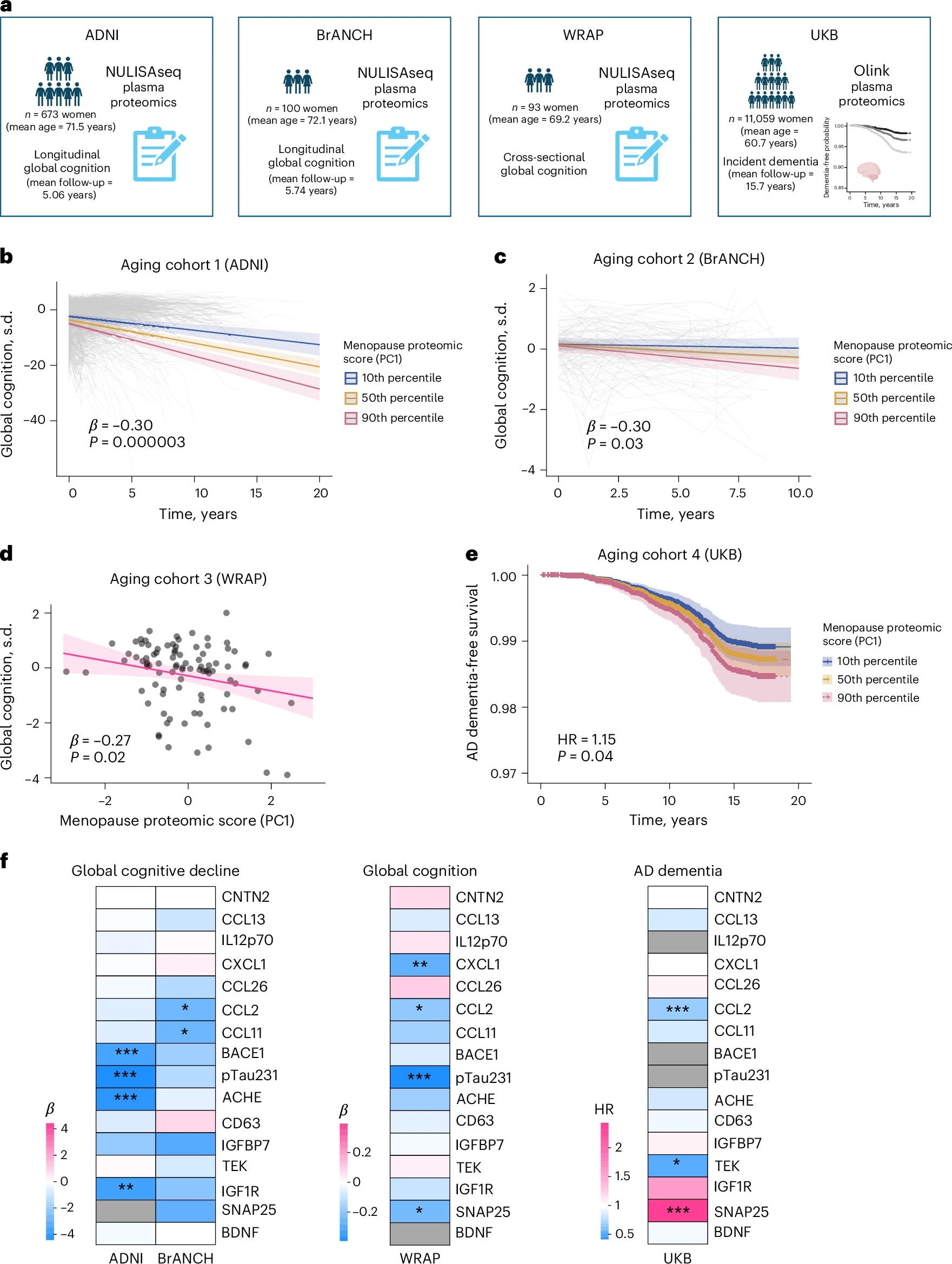
Blood proteomics identified a 16-protein inflammatory, synaptic and Alzheimer’s-related signature (including CCL2, BACE1 and p-tau231). It tracked FSH more closely than chronological age and was stronger in women with hot flashes and night sweats. Across UK Biobank and four cohorts of older women (about 11,900 people), higher scores were linked to worse cognition and a modest increase in Alzheimer’s risk (HR 1.15).
For longevitydocs: this proteomic signature may help researchers investigate links between the menopause transition and brain health. It is a discovery finding, not a clinical assay or evidence that hormone therapy changes dementia risk.
Multi-cancer blood test performance in 35,900 adults (PATHFINDER 2)
Karthik V. Giridhar | Nature Medicine | Sep 22, 2026
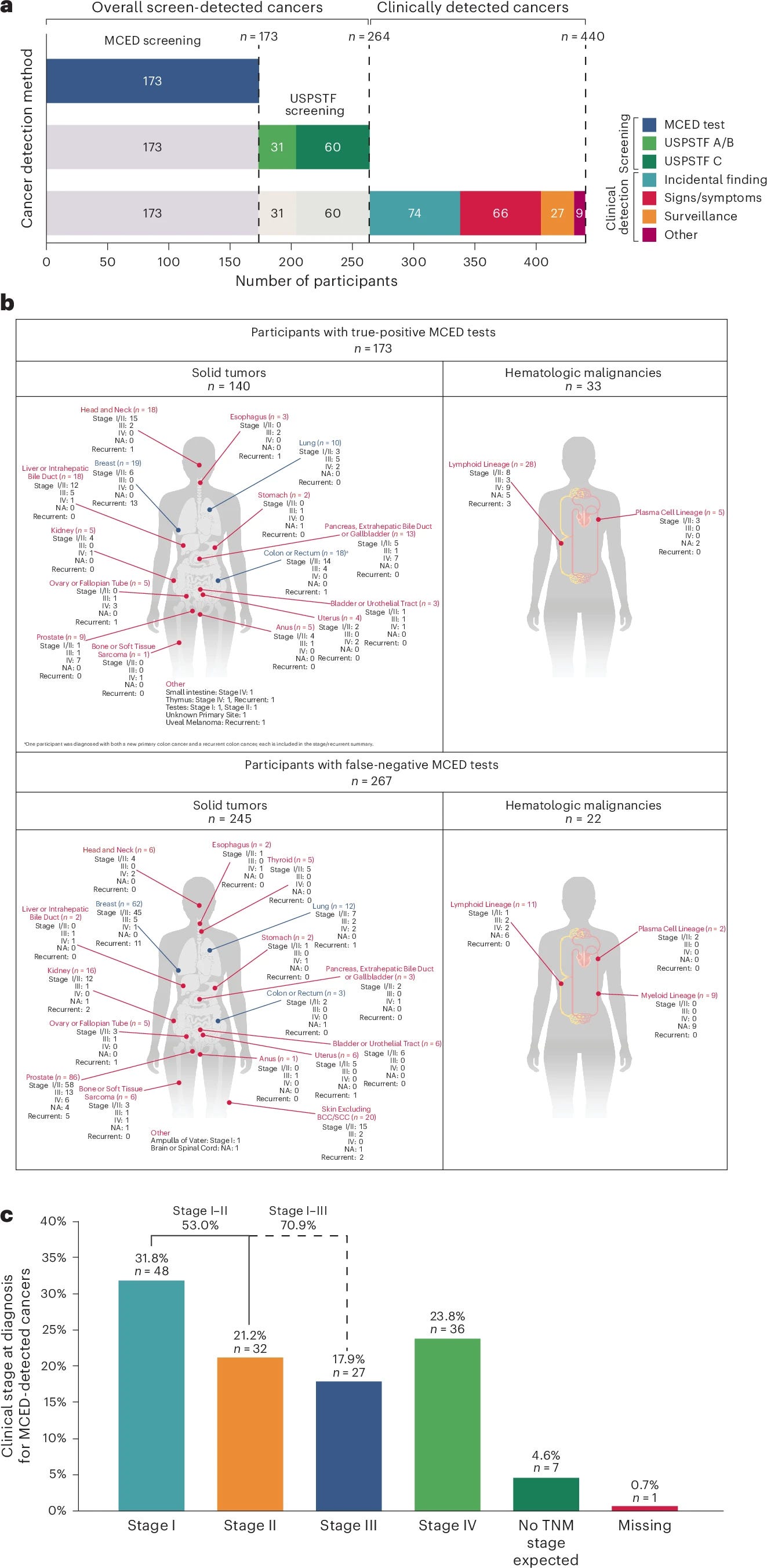
PATHFINDER 2 evaluated the Galleri multicancer detection test in adults aged 50 and older. Its reported test-performance results include a 60.3% positive predictive value and 39.3% sensitivity for cancers diagnosed within 12 months. An FDA advisory panel voted in favor of the test, but that is not FDA approval.
For longevitydocs: the 60% PPV and the 70% sensitivity for the deadliest cancers, the next milestone is mortality data, which would determine whether multi-cancer detection earns a place alongside guideline screening.
Caloric restriction improves a composite aging-biomarker index
Guida, Hsu, Neiberg et al. | GeroScience | Sep 12, 2026
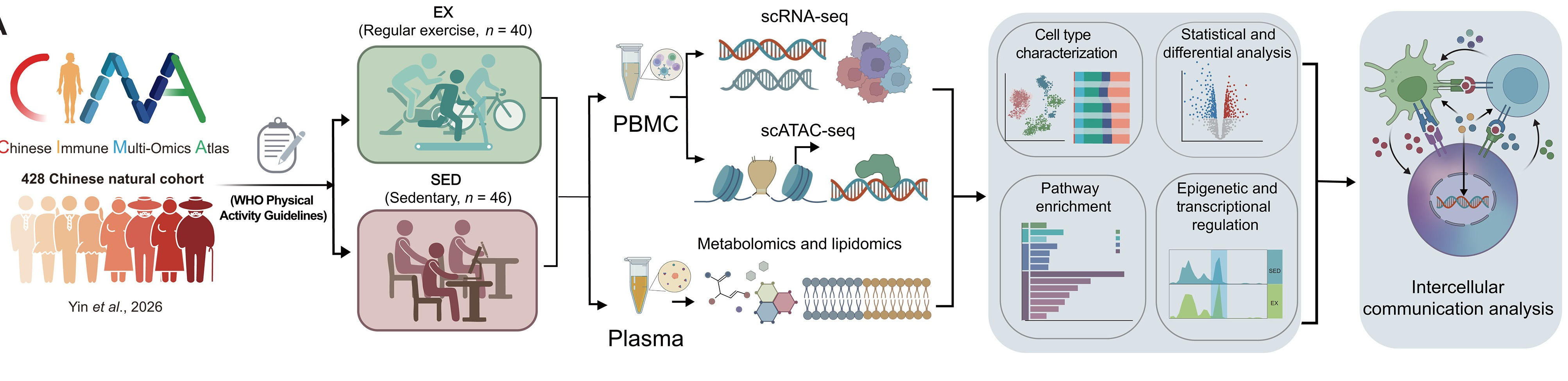
Across 7 pooled RCTs (829 older adults), caloric restriction improved a six-marker index modeled on the TAME trial (CRP, IL-6, cystatin C, insulin, GDF-15 and TNF-R1). About half the effect came from weight loss, and some signal remained independent of weight.
For longevitydocs: that gives geroscience a practical, repeatable readout of aging biology, and a way to compare interventions head to head in clinic and in trials. The next step is linking the index to function and clinical events.

Lexicon
Fasting Insulin
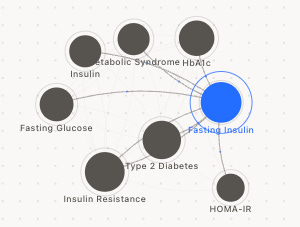
Fasting insulin is the circulating insulin concentration measured after an overnight fast, commonly reported alongside fasting glucose and the homeostatic model assessment for insulin resistance (HOMA-IR). Fasting insulin is one of the markers of glycaemic control reported in trials of dietary and metabolic interventions, distinct from post-load or stimulated insulin measures.
Fasting insulin serves as a proxy for insulin resistance: when tissue response to insulin falls, fasting insulin tends to rise, and it is combined with fasting glucose in the HOMA-IR index. Increased fasting insulin and a higher HOMA-IR index are observed in states of metabolic and psychiatric dysregulation, including acute depression.
Certification Highlight
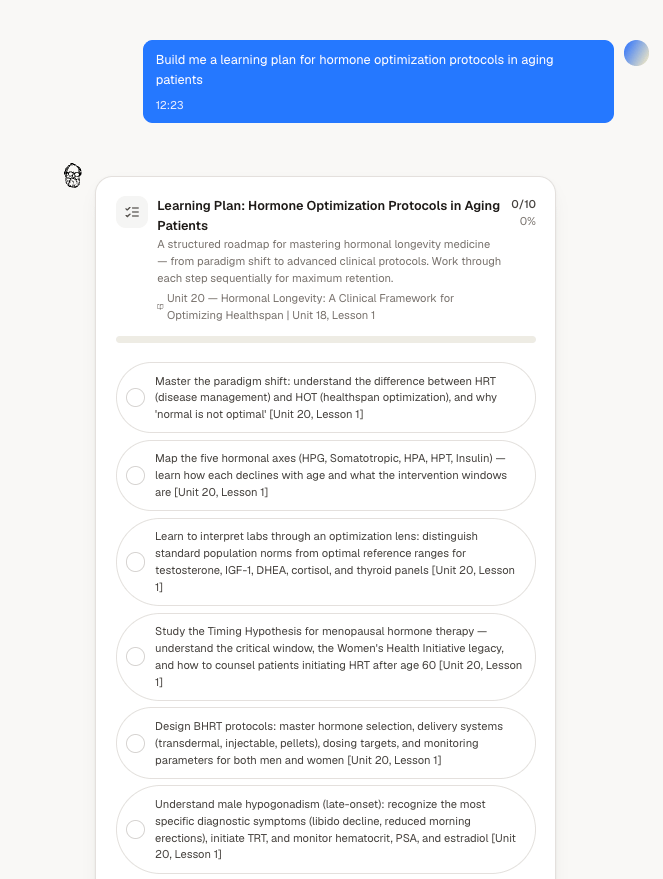
Hormone Optimization Protocols in Aging Patients
Explore a structured learning pathway for evaluating hormone-related symptoms, evidence, safety, and treatment decisions in aging patients.

Mastermind Agenda
Skin, Bone and Muscle: The Mastermind Course
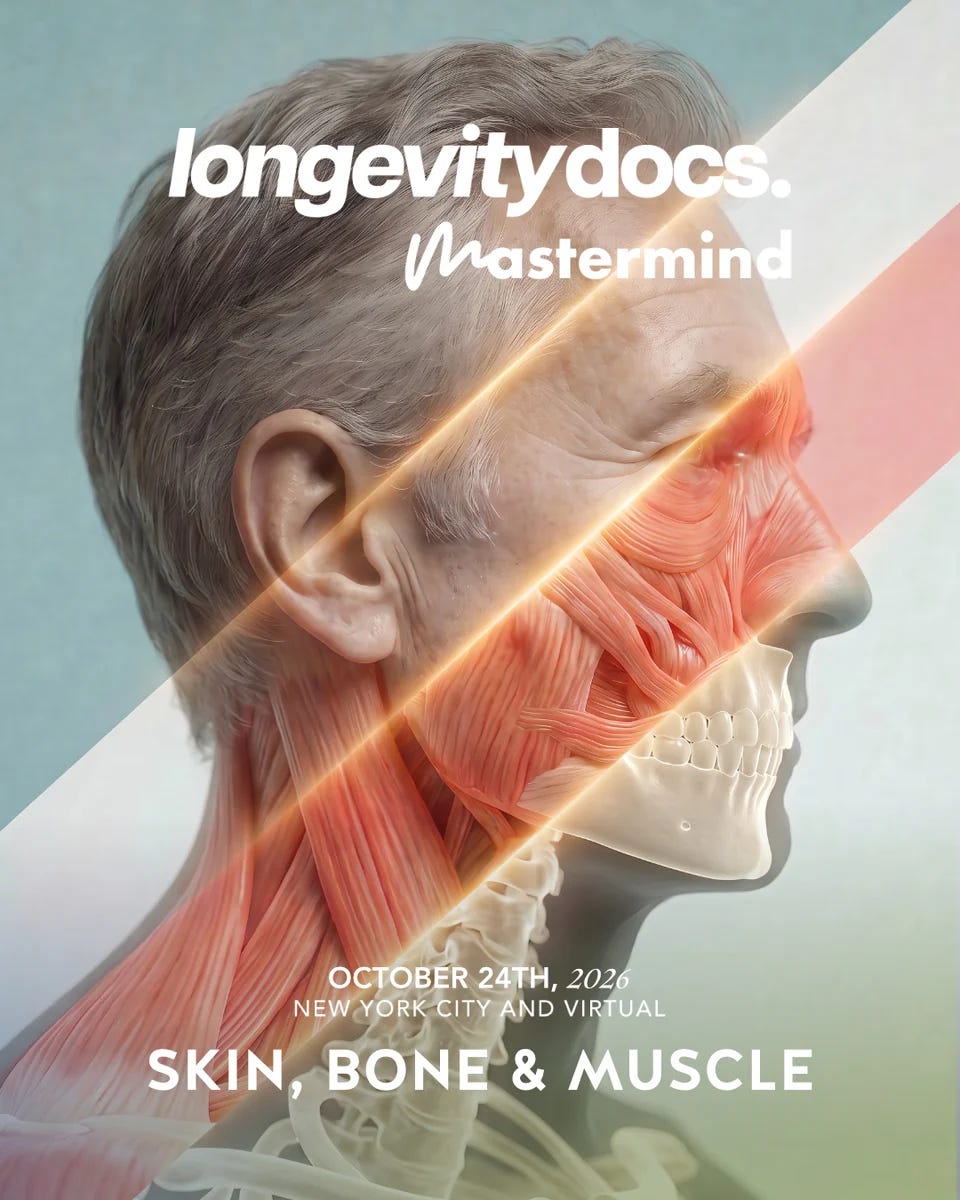
We designed the Mastermind as a physician-only course in three modules: The Science, The Clinic, and The Protocols. Faculty will examine the evidence, patient selection, safety, and practical decisions across skin, bone, and muscle aging.
Join us October 24 at Convene, 101 Park Avenue, New York City + Virtual; the welcome reception is October 23. Seating is limited.
View the full faculty, learning objectives, and schedule

Module 1: The Science
9:00 AM · Skin Regeneration: Stem Cells, Secretomes and Exosomes
Saranya Wyles, MD, PhD
9:20 AM · Gerotherapeutics for Skin, Muscle and Bone: The Pipeline
James Peyer, PhD
9:50 AM · Cellular Therapies: How Cell Products Are Actually Made
Robert Hariri, MD, PhD
10:10 AM · Topical Rapamycin and Rapalogs in Skin Longevity
Doris Day, MD
Module 2: The Clinic
10:50 AM · The Aging Face, Biomarkers and Protocol
Amanda Hill, MD
2:00 PM · The GLP-1 Tax: Muscle and Bone on Incretin Therapy
Elizabeth Yurth, MD
2:30 PM · Bone Loss: Screening, Markers and Sequencing
Catherine Johnson, MD
2:50 PM · Hormonal Transition and Collagen Loss
Neely Khan, MD, MS, FAAD
Module 3: The Protocols
3:30 PM · Energy-Based Devices: The Latest Protocols
Dan Belkin, MD
3:50 PM · Procedure Parameters and Pigment Risk Across Skin Types
Naana Boakye, MD, CLD, MPH, FAAD
4:10 PM · Biostimulators, Polynucleotides and Growth Factors
Kay Durairaj, MD, FACS
Mastermind includes Welcome Reception (10/23), breakfast at 8:00 AM, coffee breaks, Mastermind Lunch at 12:00 PM, and the Mastermind Dinner at 6:00 PM (tickets available).
Buzz in the chat
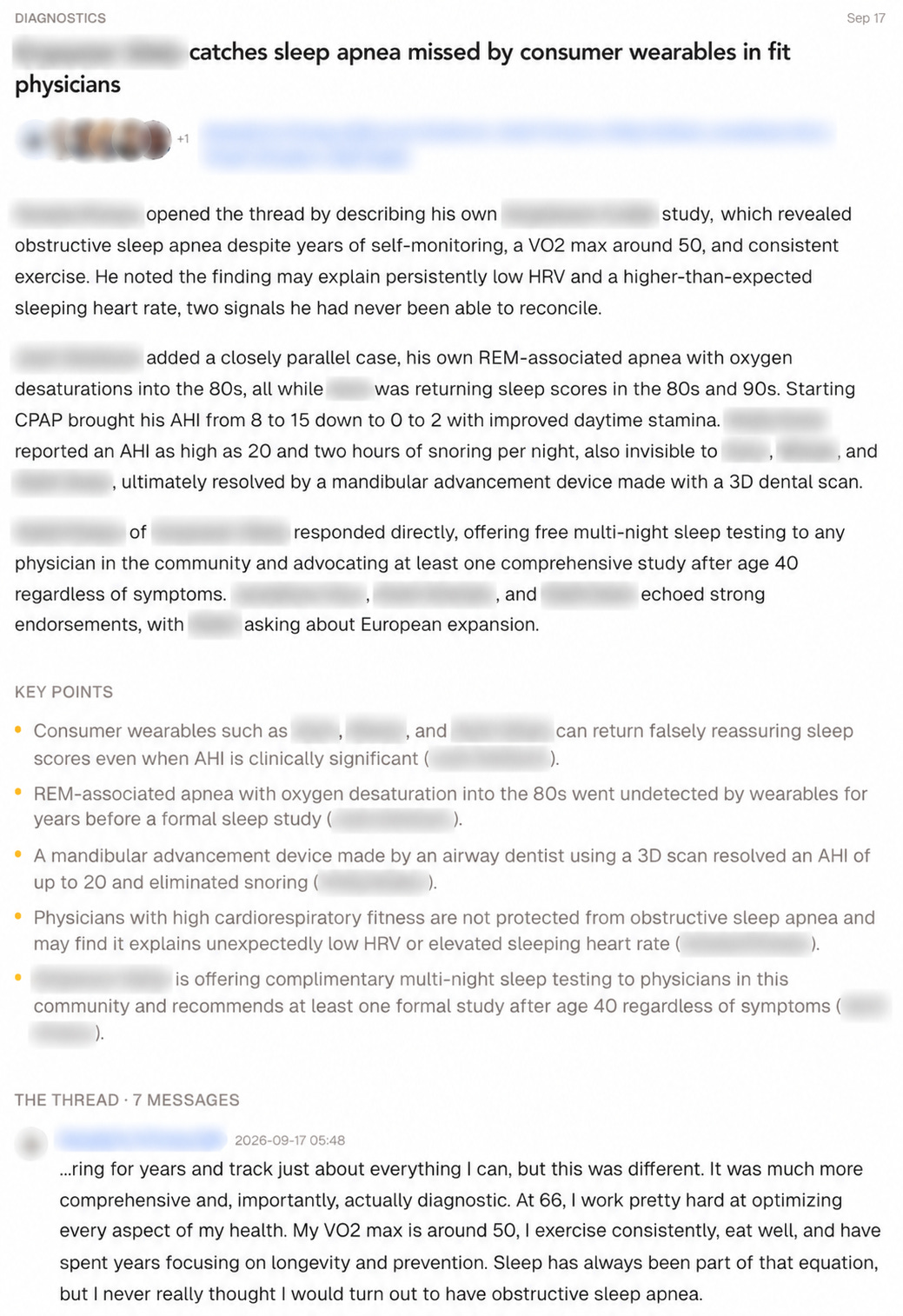
Empower Sleep catches sleep apnea missed by consumer wearables in fit physicians
A case discussion on what a consumer sleep signal can miss, and when a clinical assessment changes the picture.
Apply for membership (physicians only)
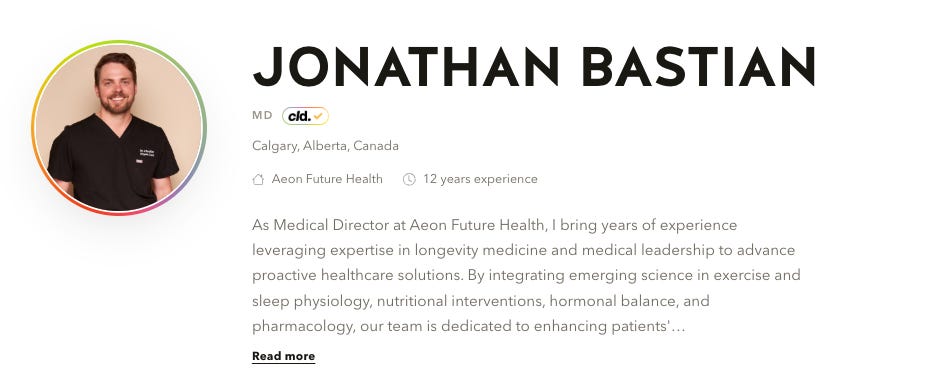
Member profile
Jonathan Bastian, MD, CLD
Calendar
Upcoming Events
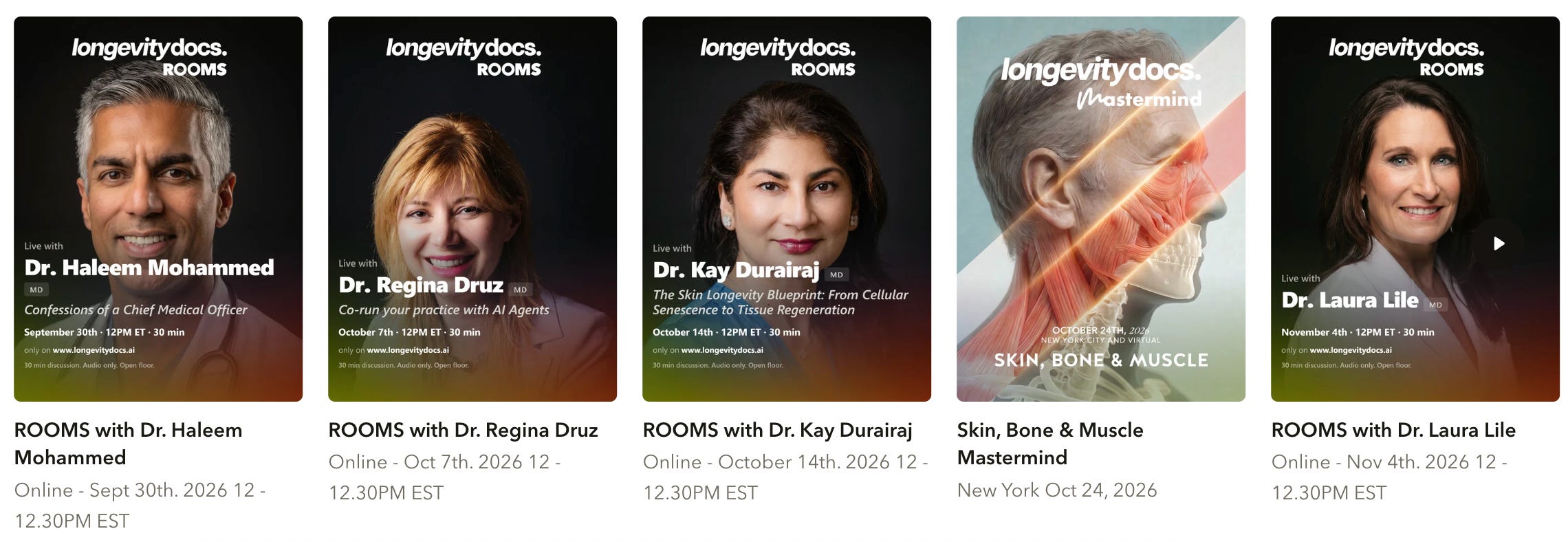
Confessions of a Chief Medical Officer - Dr. Haleem Mohammed
Rooms, Sept 30, 12.00 - 12.30 pm ET
Co-run your practice with AI agents - Dr. Regina Druz
Rooms, Oct 7, 12.00 - 12.30 pm ET
Skin Longevity Blueprint - Dr. Kay Durairaj
Rooms, Oct 14, 12.00 - 12.30 pm ET
Skin, Bone and Muscle Mastermind
New York and virtual, Oct 24
Dr. Laura Lile
Rooms, Nov 4, 12.00 - 12.30 pm ET

Wearable
Your ring now carries your chart

Ultrahuman's new HealthEx add-on lets US ring users pull their medical records through TEFCA, the national health-data exchange. Their conditions, medications and procedures (532 mapped categories) sit beside resting heart rate, HRV, temperature and sleep. It costs $4.99 a month, builds a visit summary and flags missed follow-ups. Patients may soon arrive with their medical records and wearable trends together on one screen. That may make a visit more informed, but aggregation alone does not establish diagnostic accuracy or clinical benefit. Hitconsultant
Global Health
$16.4 trillion: the economic case for prevention

A McKinsey Health Institute and Abu Dhabi Future Health whitepaper models an upper-bound scenario in which eliminating modifiable behavioral, metabolic, and environmental risks could add $16.4 trillion to annual global GDP in 2050. The model also estimates a 12-year increase in healthy life expectancy at birth under that scenario. McKinsey
Diagnostics
Alzheimer’s blood tests are for symptomatic patients, not screening

Four Alzheimer's blood tests now have FDA clearance, including PrecivityAD2 and Roche's Elecsys pTau217. As Time reported, experts agree they belong in the workup of patients with cognitive symptoms, not in screening healthy people, because false positives rise in low-risk groups. Have a clear policy for when to order one and what to do if a patient brings you a result obtained outside that pathway. Time
Lab-grade breath testing goes self-serve
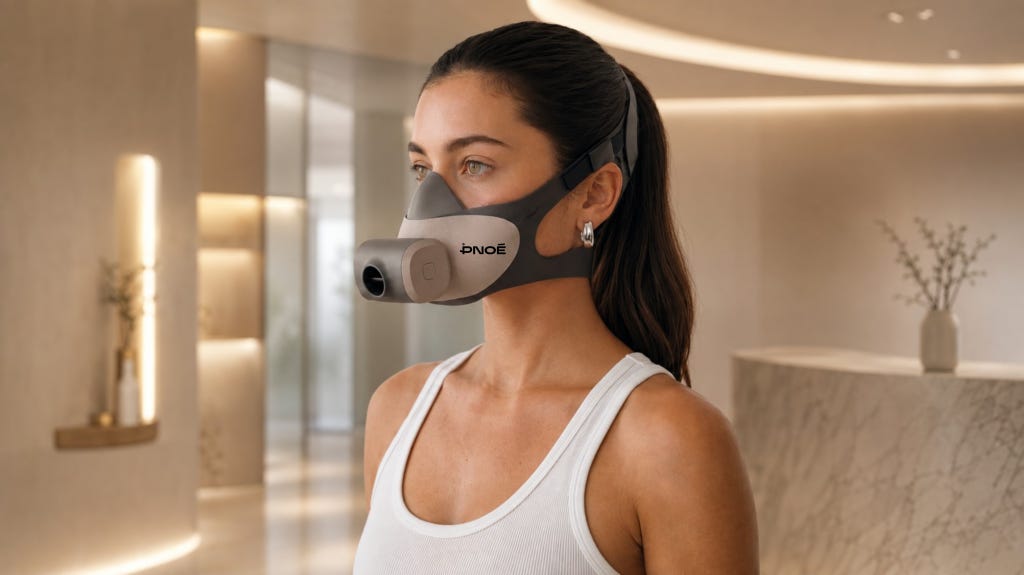
PNOĒ's new mask runs an 8-minute breath test that claims to measure 23 metabolic markers, including a VO2-style fitness reading. It's aimed at gyms and spas, with Equinox, Restore and Mount Sinai listed as sites. It is not FDA-cleared, and the CEO calls it wellness rather than a diagnostic. Expect patients to bring in results. TechCrunch
Policy
FDA puts a major GLP-1 compounder on notice
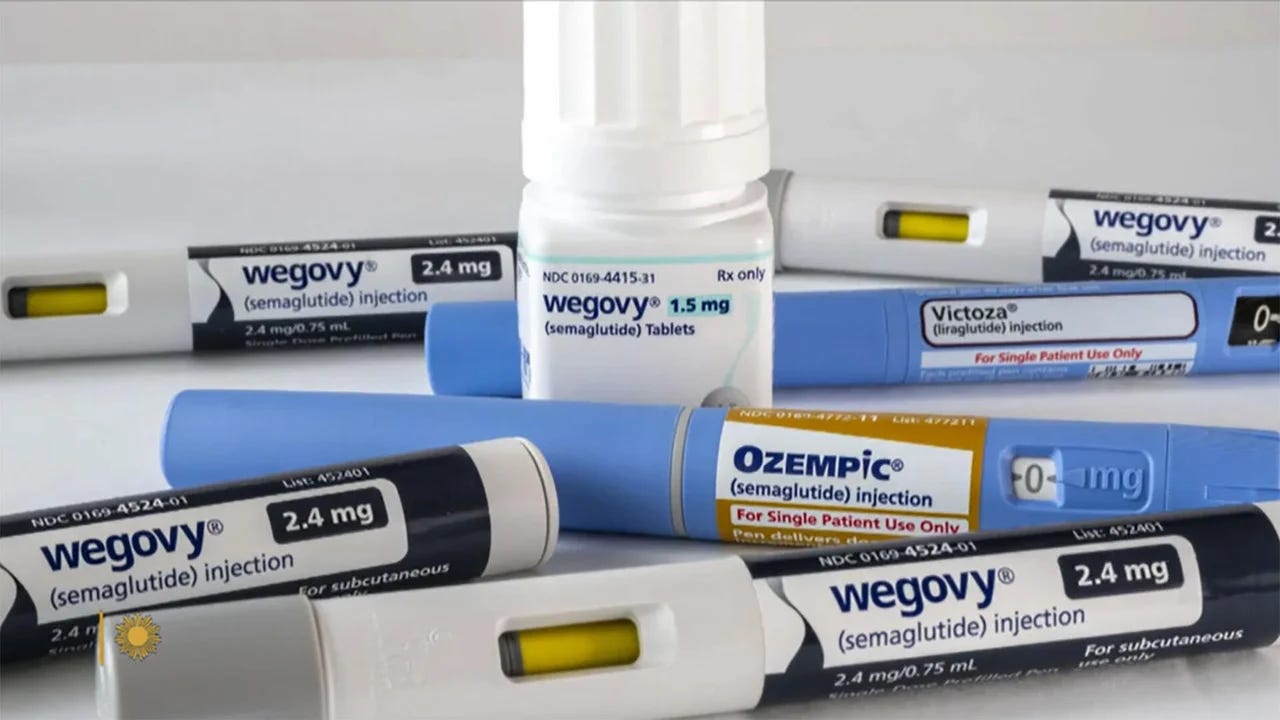
In a September 18 warning letter, FDA said Empower Pharmacy appeared to compound semaglutide and tirzepatide products that were essentially copies of approved drugs in substantial quantities. The agency also cited deficiencies in sterile-production practices that could put patients at risk. If your practice prescribes compounded GLP-1s, review your supplier and the patient-specific rationale for prescribing; do not assume that adding another ingredient resolves the agency’s concerns. FDA
Culture
Longevity fixation syndrome
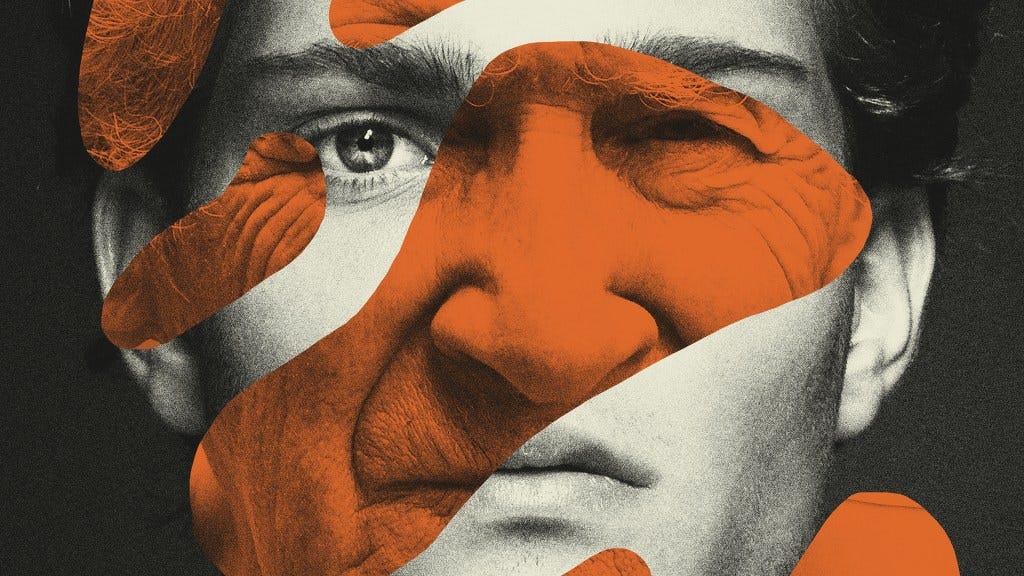
The article examines how health tracking can become an obsession with measurements and interventions, even among otherwise healthy people. It raises a question central to the Longevity Data Efficacy Pyramid: does monitoring improve patients’ lives enough to justify the anxiety, cost, follow-up care, and attention it demands? RobbReport

Every doctor should be a longevity doctor
longevitydocs.™ is the intelligence network for longevity medicine. 1,000+ physicians, 68 countries
Editorial Disclaimer: