


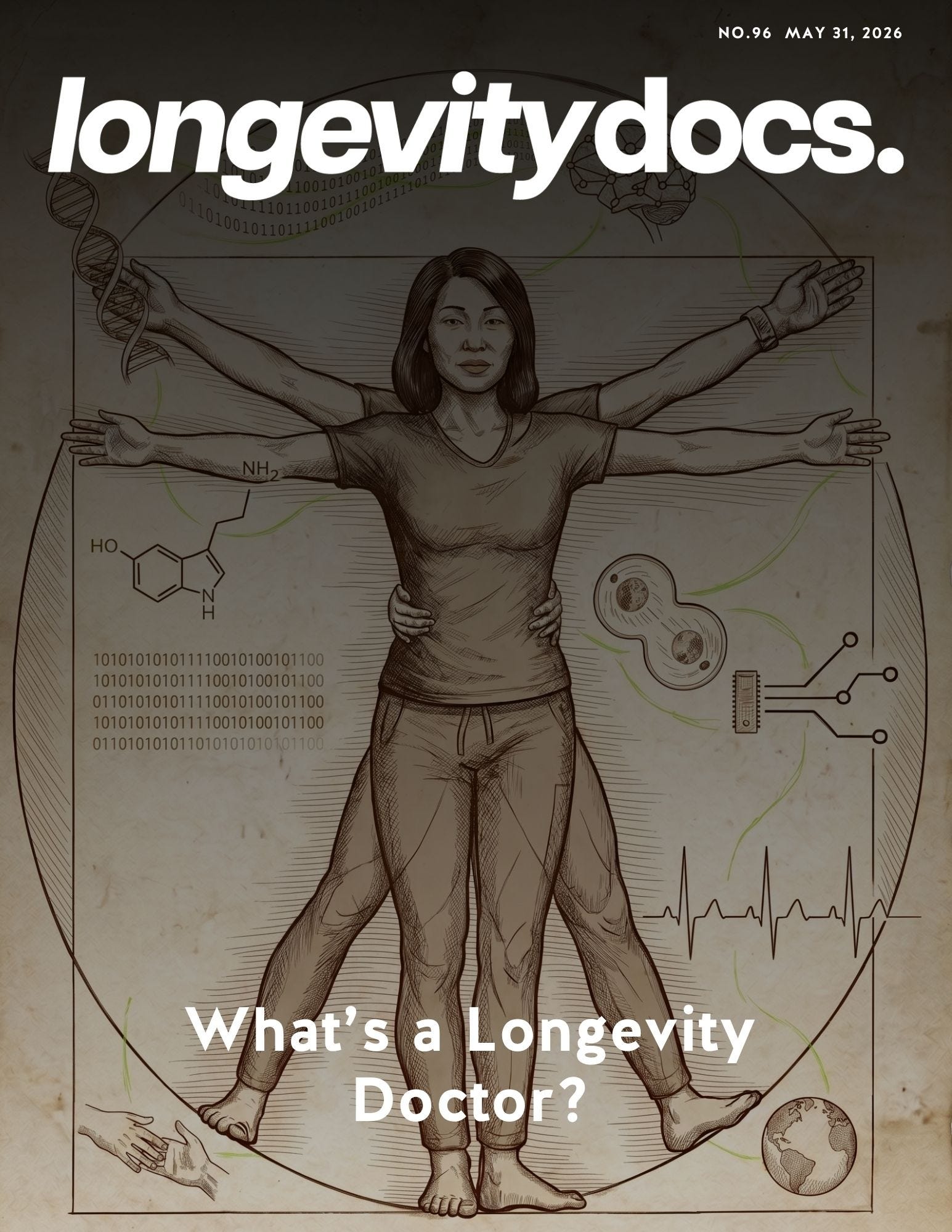
Hey Doc,
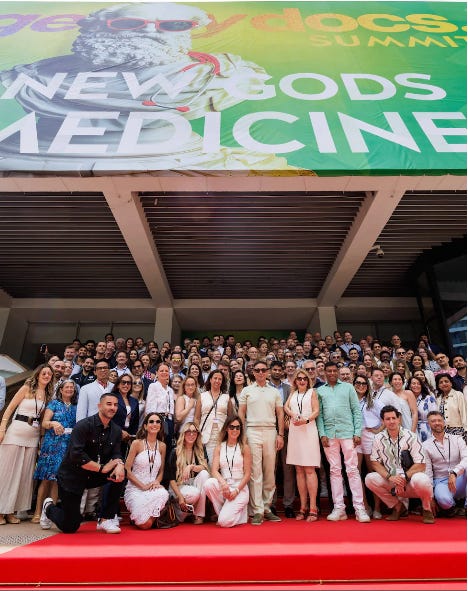
Just landed in the French Riviera. Cannes Longevity Summit is in ten days, production is starting tomorrow. As I sat down to write this week’s newsletter, I kept coming back to the question I hear most from physicians right now: what is a longevity doctor, and how do I become one?
So I wrote about it. Ten traits that define what a longevity doctor actually is. Not a title. Not a certification alone. A way of practicing medicine that most of us were never trained for but all of us can build toward.
Issue 96 is out.
Dr. David Luu, Founder, longevitydocs.™
PS: today’s office view in Monte-Carlo

Each week, I try to explore one idea that could advance longevity medicine and hopefully support physicians in bringing it to life.
What’s a Longevity Doctor?
10 traits that make a longevity doctor
When I started medical school, I wanted to save lives. Surgery, transplants, the adrenaline of the ER. I trained to treat disease. But by the time I saw most patients, the damage was already done. What if we could get there earlier? What if we could prevent the disease before it appears, and help people live better, not just longer?
The medicine has changed. The technology has changed. The patients have changed. The doctor should change too. Focused on maintaining health for longer. Here are ten traits that define what a longevity doctor actually is.
1. Focus on aging mechanisms: most chronic diseases have an aging mechanism underneath them. Cardiovascular disease, neurodegeneration, metabolic syndrome, cancer. All downstream of the same biology: genomic instability, telomere attrition, epigenetic drift, mitochondrial dysfunction, cellular senescence. A longevity doctor understands these hallmarks as clinical targets. Treat the mechanism. The diseases slow down.
2. Monitor the exposome, longitudinally: we take cardiac troponin for granted now, but it only entered the guidelines in 2000. A longevity doctor measures markers most of traditional medicine still dismisses: genomics, epigenetics, proteomics, metabolomics, air quality, endocrine disruptors, heavy metals, microplastics, stress, social isolation. And they don't measure it once a year. Wearables, continuous monitors, and ambient clinical intelligence can track it daily, turning a single snapshot into a continuous picture of where the patient is heading.
3. Apply N-of-1 thinking: the randomized controlled trial tells you what works for the average patient across a thousand people, but your patient is not the average. They have their own genetics, their own environment, their own response curves. A longevity doctor tracks individual responses in real time, measures the impact of every intervention, and adjusts faster and more precisely than population-based medicine ever could. Measure, intervene, measure again, because every patient is a study of one.
4. Combine medicines: a longevity doctor treats the patient and their close environment: family and home using nutrition, sleep, movement optimization, pharmacology, peptides, hormones, stem cell biology. Lifestyle first, pharmacology second, advanced intervention third. Old therapies and modern ones, combined strategically and sequenced intelligently.
5. Use innovation ethically: gene editing is reaching the clinic. Stem cell therapies are already here. Senolytics, epigenetic reprogramming, and mitochondrial transplantation are in the pipeline. A longevity doctor understands the science before consensus but waits for evidence before applying it to a patient. The line between early adoption and recklessness is ethics, and it matters because your patients trust you with their biology, with their life, and that trust is not something you get to rebuild once you've broken it.
6. AI-augmented: a longevity doctor uses AI to expand the quality of care and to run their practice from anywhere, with more time for the patient in front of them. AI scribes handle documentation so the physician can focus on the conversation, not the screen. AI lab interpretation flags trends a manual review would miss. Ambient AI captures patient metrics longitudinally and surfaces risk before symptoms appear. Clinical decision support tools guide intervention in real time. The technology improves the experience, the physician improves care.
7. Publish real-world data: every patient you treat is a data point the field doesn't have yet. The big trials matter, but their exclusion criteria screen out most of the patients we actually see in clinic. Track what you're doing, write up the cases that surprised you, and share your findings. It helps your patients, it helps the longevity medicine community, and the physician who publishes becomes the physician other physicians call.
8. Align incentives with outcomes: fee-for-service rewards visits. Concierge medicine rewards hospitality. Neither rewards health. A longevity doctor should be compensated for keeping patients healthy, not for seeing them only when they're sick, and not for serving as an expensive insurance policy. Build pricing around what actually matters: biological age reduction, cardiovascular risk improvement, metabolic markers, patient-reported quality of life. When the doctor succeeds only when the patient gets healthier, everything changes. That should be the economic model of modern medicine.
9. Collaborate and educate: longevity medicine doesn't live inside one specialty. A longevity doctor builds relationships with other specialists where the conversation goes both ways, learns constantly from the science and technology emerging across disciplines, and values peer learning and real-world evidence over competition. And they teach, through social media, newsletters, lectures, workshops, and community events, because the knowledge you carry compounds when you give it away.
10. Build for access: a longevity doctor is not just a concierge provider for the wealthy. They advocate for the education, policies, culture change, and economic models that make longevity medicine available to everyone. The infrastructure, the credentialing, the education, and the clinical tools we build must reach every population, every geography, every income level. Democratizing longevity medicine is not a business strategy. It is improving humanity.
These ten traits are not a checklist you complete overnight. I tried to identify the patterns I see in the physicians who are building this field and translate them into something practical, something you can adapt to your own practice, your own patients, your own timeline. Pick one this quarter. Build it in. Then pick the next one.
A longevity doctor is a physician trained to treat the biological mechanisms of aging rather than disease alone. They combine traditional, preventive, regenerative, and performance medicine, monitor the exposome longitudinally, apply N-of-1 interventions, use AI-augmented clinical tools, publish real-world data, and align their incentives with patient outcomes.
Every doctor should be a longevity doctor.

Every week, the Longevity Docs App feels like a front-row seat to the future of medicine. Here’s what had doctors buzzing:
Teens are doing peptides
A physician reported high schoolers using Retatrutide, GHK-Cu, and Tesamorelin with a parent helping reconstitute. The group flagged real risks in adolescents: accelerated epiphyseal closure, disrupted spermatogenesis, and shortened adult stature.
Stem cells: promise vs. noise
A neurosurgeon's viral reel questioning stem cell therapy split the room. The consensus: autologous has decent data, allogeneic is early, the overselling is real, and the field needs physician-led evidence before it gets regulated out of reach.
GHK-Cu: topical wins
Injectable GHK-Cu causes significant site reactions and the hair growth signal may be placebo. A dermatologist in the group recommended topical post-microneedling as the cleaner option with better evidence.
Testosterone pens?
Xyosted is a prefilled testosterone enanthate autoinjector, $200 for four pens, works in men and women, and most of us aren’t using it. A compliant pen solution for peptides and hormones is also coming to the US market soon.
Verve-102: one-shot PCSK9 gene editing
Remarkable science, not ready for patients. No long-term safety data, irreversible, off-site editing in adrenals and spleen, and no outcomes data. Watching.
ROOMS
Anatomy of a Longevity AI Agent
Dr Neil Panchal
An AI agent differs from a chat session: it takes a goal, breaks it into steps, pulls context, uses tools, and reports back, rather than requiring the physician to orchestrate every step
A clinical AI workflow has four parts: a trigger (patient message, lab result), reasoning through an LLM, memory and retrieval for persistent context, and execution via APIs and model context protocols
You don’t need to code. The entire system runs on markdown files as instruction manuals, saved skills for repeatable workflows, slash commands to trigger them, and plugins for clinical or business operations
HIPAA-compliant AI tools (Open Evidence, ChatGPT Clinician, Perplexity Health, Amazon HealthAI) are maturing but still require enterprise-level deployment for high-risk patient data
Patient consent can enable use of non-compliant tools like NotebookLM if properly documented
De-identification remains imperfect and liability-bearing
There is a cost-benefit tipping point where building your own AI system costs more in time and tokens than outsourcing to a vetted platform
Longevity medicine generates more data per patient than almost any specialty, making AI workflow automation especially valuable for freeing up time for clinical reasoning and patient relationships
Stay up to date with the latest news & rooms inside longevitydocs.ai

Alzheimer's Plasma Biomarkers Detect Neuropathology in Midlife
CARDIA cohort, 1,350 adults, mean age 61. Plasma p-tau217 and Aβ42/40 detected Alzheimer’s neuropathology in 4 to 15% of midlife participants. Those positive showed worse processing speed, executive function, and up to 4x higher odds of accelerated memory decline. Stronger associations in women, Black participants, and APOE ε4 carriers. Lancet
Why it matters: Alzheimer’s neuropathology is detectable with a blood test years before symptoms. Plasma p-tau217 is becoming the troponin of neurodegeneration. Consider adding it to midlife panels, especially for patients with family history or APOE ε4 status.
Universal transcriptomic hallmarks of mammalian ageing and mortality
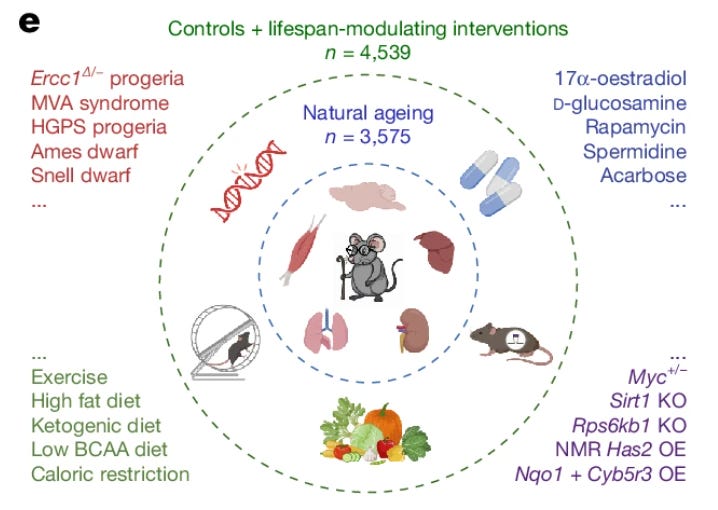
Transcriptomic and DNA methylation clocks showed correlated age acceleration in human blood, which was strongest for the chromatin-associated module clock, highlighting mechanistic links between molecular ageing modalities. This study reveals conserved signatures and a modular architecture of mortality regulation, providing a framework for quantifying and targeting ageing of cellular subsystems across species and tissues. Nature

Every week, I track funding, FDA approvals, product launches, and breakthrough announcements shaping longevity medicine.
TECH
Sunrise Air: Sleep Apnea Diagnosis Without the Lab
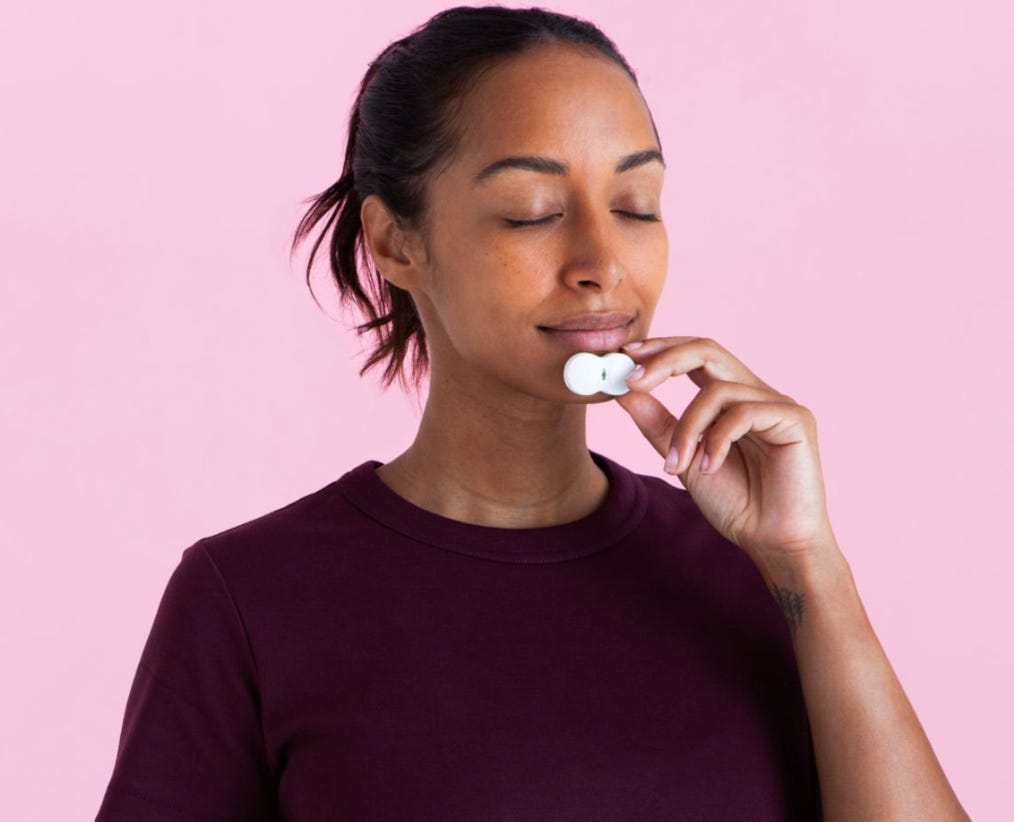
80M+ American adults have obstructive sleep apnea. Untreated OSA elevates risk of stroke, heart failure, type 2 diabetes, and premature mortality. Sunrise has launched a rechargeable chin sensor that delivers clinical-grade diagnosis over multiple nights at home, no wires, no mask, no lab.
WEARABLES
Luna Band: No Screen, No Subscription, $149

A wearable from India’s top smartwatch brand (Noise, backed by Bose) that strips out the screen and the monthly fee. Research-grade sensors, voice-first logging for meals, mood, workouts, and symptoms. Pay once, wear continuously. Voice-first health logging mirrors how physicians actually gather information. Credible sensors without subscription lock or screen fatigue is where continuous monitoring should be heading.
AI
Insilico Medicine x Human Longevity: AI Foundation Model for Longevity
Insilico Medicine and Human Life Foundation Models (new entity from Human Longevity, Inc.) announced multi-million-dollar co-development of industry's first large-scale foundation models dedicated to human longevity science. Leverages Human Longevity's decade-long multi-omic and longitudinal clinical datasets (thousands of subjects) for early disease detection, risk prediction, and AI-driven therapeutic discovery.
CULTURE
Harvard Publishes Consumer Longevity Guide

Harvard Health Publishing released "Pathways to Longevity," covering hallmarks of aging, biological age, lifestyle interventions, and emerging therapies (rapamycin, metformin, GLP-1s, senolytics), edited by Dr. David Barzilai. When Harvard validates longevity medicine as a clinical discipline, it gives you institutional language for patient education and peer credibility.
CARE
Dubai Opens Part-Time Consulting for International Doctors

Dubai Healthcare City's C37 platform lets overseas physicians consult patients in a fully managed clinical environment without opening a permanent practice. A longevity specialist in Barcelona can now see patients in Dubai on demand, no clinic setup required. The infrastructure for distributed, global physician networks is live.

Discover who is going Back to Medicine
Longevitydocs Cannes Summit & Awards- June 9-11


The Home of Longevity Medicine
longevitydocs.™ is the world’s leading longevity physician community - 1,000+ physicians across 68 countries united by a single conviction: every doctor should be a longevity doctor. Founded by Dr. David Luu, the platform offers its members network, education, and experience with the mission to democratize longevity medicine.
Not a member yet? Join longevitydocs™
We’re a physician-only network. Curated. Vetted. Built on trust. If you’re committed to practicing longevity medicine with rigor, peer support, and shared standards → this is your community. Apply to connect with our team.
Longevity medicine is the personalized, evidence-based practice of modifying the root mechanisms of aging (biological, cognitive, and psychosocial) before they become disease, extending healthspan, not just lifespan. Using advanced diagnostics, precision interventions, and AI-enabled monitoring, it translates measurement into action across every medical discipline. Success is measured in functional capacity, vitality, and disease-free years.
Subscribe to the Longevity Docs Newsletter
Longevity medicine is moving fast. Every week, we bring you what matters: clinical insights, research signals, and perspectives from 1,000+ physicians across 68 countries. One newsletter. Built for the physicians shaping this field.
Editorial Disclaimer:
The troponin detail in trait 2 is the best argument in the piece.
Everything dismissed today as 'not standard of care' is one guideline cycle away from becoming standard of care, and exposome markers are sitting right in that queue.