


Hey Doc,
Issue 101. I am starting the next hundred with what we get wrong about longevity medicine.
Not exactly a summer newsletter… no 120 tips.
What I heard. This year I met physicians, scientists, entrepreneurs and patients across the world. Everyone is talking about longevity. The enthusiasts and the skeptics, in the same room, using the same word to mean different things.
What I saw. An explosion of products, services and clinics, from Italy to Shanghai. Almost no way to tell which ones actually work. And a growing number of people who no longer trust the science at all.
What I feel. Longevity medicine is being led by platforms, influencers, and physicians are being left behind. We have the knowledge. We are losing the authority.
And I am optimistic because this is the beginning of a new era, driven by people who decided that they will be in charge of their longevity.
As always, Happy Sunday.
Dr. David Luu, Founder, longevitydocs.™

Each week, I try to explore one idea that could advance longevity medicine and hopefully support physicians in bringing it to life.
What People Get Wrong About Longevity Medicine
Written for your patients. Feel free to forward it to them.
I have spent this year in a lot of different countries, different cities, different rooms. Same questions every time.
What does longevity actually mean? Where do I find a good doctor? What do you think about GLP-1s, Brian Johnson, Huberman, Sinclair, BPC-157, peptides, NAD? Who is the best doctor, the best clinic, the best test?
Longevity has gone mainstream. It does not matter where you are in the world or what you earn. Everyone is interested. Everyone is talking about it. It is the new status, and it is here to stay.
People come in through whatever door is closest to them. Beauty. Sleep. Wearables. Weight loss. Diet. A full-body MRI they saw on a podcast.
Then they get lost.
Ten things people get wrong, from the believers to the skeptics
Longevity means living forever. It does not. It means more years where your body still works, and you are enjoying your life.
Longevity is a panel of tests. Bloodwork, genomics, microbiome, full-body scan. Testing is not care. A result you cannot act on is a number, not a plan.
Longevity is diet, sleep and exercise. These matter enormously. They are the floor, not the ceiling.
Longevity is biohacking. Biohacking is n-of-1 with no control group and nobody accountable for the outcome.
Longevity is intervention. Peptides, hyperbaric chambers, sauna. Interventions are tools. Tools are not a strategy.
Longevity drugs already exist. They do not, not in the way people mean.
Longevity is genetics. Your genome loads the gun. It is not the only thing pulling the trigger.
The right stack will do it. No supplement combination has ever been shown to extend human lifespan.
AI knows better than my doctor. So I will order my own labs and find my own drugs online.
We are all going to die anyway, so let me enjoy my life. My grandfather smoked until 95 and he was fine. Maybe. You are not your grandfather, and survivorship bias is not a health plan.
The problem is not the evidence. It is the interpretation.
There is more longevity research published now than any physician can read. That is not the bottleneck. The bottleneck is who translates it.
Right now that job falls to media articles, influencer content, and scientific papers most people cannot parse. Self-appointed gurus. Brands explaining the thing they are selling. A few excellent physicians, drowned out.
One diet study in mice becomes a viral claim that protein is bad for you. Nobody reads the paper. Everybody shares the reel.
Meanwhile the people who actually know are in clinic or in the lab. Physicians and scientists are not trained to communicate at the speed the internet demands. So the loudest voice wins, and the loudest voice is usually selling something.
Longevity medicine is network intelligence
There is a deeper problem than bad information. Longevity medicine does not work as a list of facts.
ApoB does not sit by itself. It connects to the lipid panel, to PCSK9 inhibitors, to oxidized LDL, to cardiovascular risk, to atherosclerosis, and out from there to inflammation, to hs-CRP, to IL-6.
Search any one of those terms and you get an article about that term. That is not how the biology works, and it is not how a good physician thinks. Your doctor is not looking up a definition. She is holding a map.
That map is what patients have never had access to. We believe longevity should be a human right. Which means the education has to reach everyone.
Introducing the Lexicon
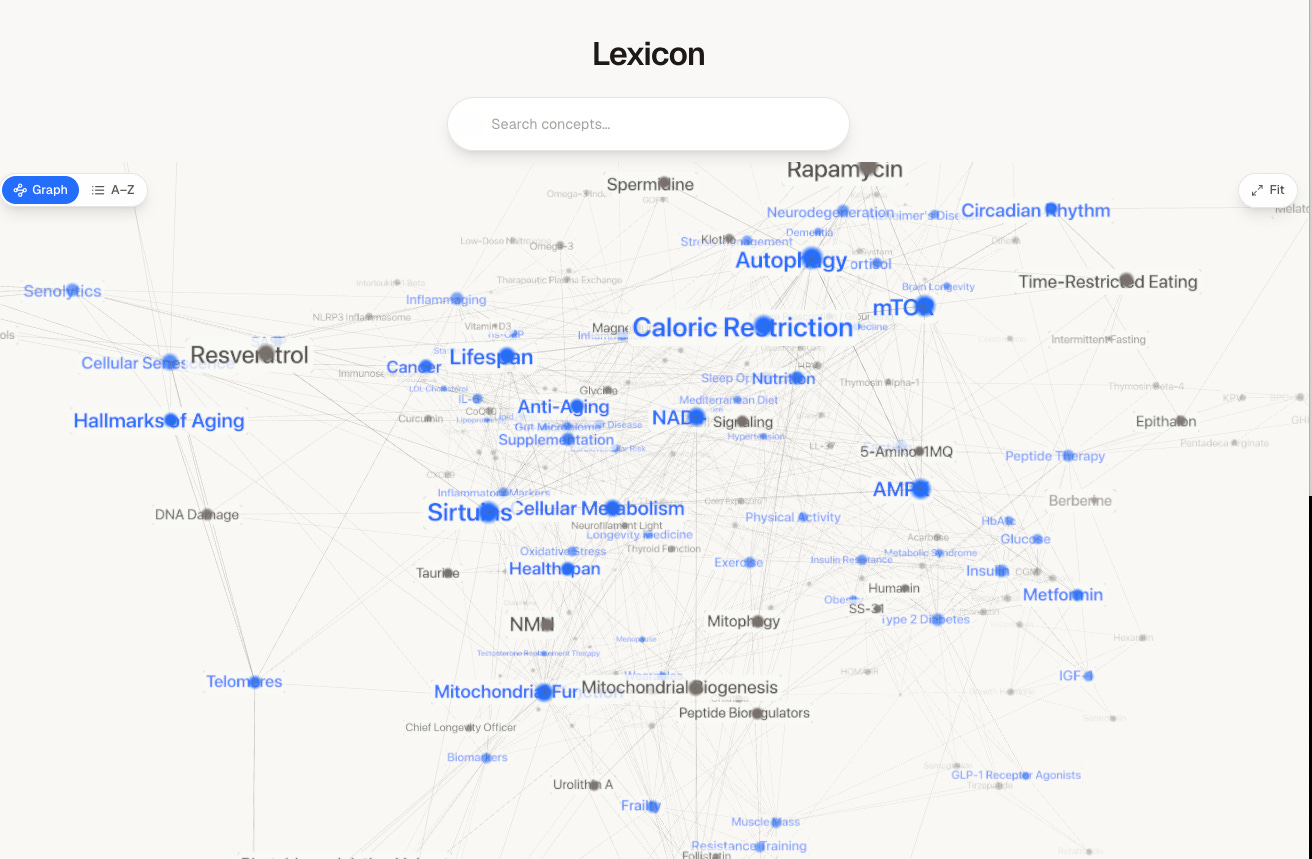
Lexicon is a living map of longevity medicine, built on published research and the experience of physicians who see patients.
Two ways in. Search a term and read the entry. Or open the graph and see how that term connects to everything around it, which is the part that actually teaches you something.
Every entry gives you the science, the publications, the clinical experience, the strength of the evidence, and where consensus exists versus where it honestly does not.
Every entry carries a community note from a verified physician. Not an influencer. Not a brand. A doctor with a license and patients.
The Lexicon is open to everyone.
Anyone can join the waitlist
Hundreds of topics are live, and we are building toward the most comprehensive map of longevity medicine there is.
We are opening the beta to a limited number of non-physicians before the Lexicon goes public. This group gets first access, and gets to tell us which topics we write next.
Reply to this newsletter, or email us at contact@longevitydocs.org, and tell us why you want in. What brought you to longevity. What you are trying to figure out.
We read every one. Numbers are capped, small enough that we can answer every one of you.

Each week, I summarize conversations from our community.
Mitochondrial Testing: Measure vs. Interpret
Two tests came up this week, and the thread ended up somewhere more useful than where it started.
A Doc raised GDF-15 as the marker he builds mitochondrial protocols around. The practical answers came fast. There is only one clinical lab running it, it costs around $250. The same lab is currently declining pTau-217 under age 50 because of how their LDT indication is written.
“GDF-15 is like a red alert if you use traditional levels. I adjust them down based on health and age. But that’s an art, not a study of 100,000 people with a statin.”
Another Doc raised the concern regarding organic acid testing
“I also do OAT testing, however, a colleague at another institution told me that commercial OAT testing are not ACMG approved for mitochondrial function, only for inborn errors of metabolism.”
Why it matters
If you order GDF-15, know the reference ranges were not built for the patient in front of you. Document why you moved the threshold. If you order OAT, check the lab’s certification before it changes a protocol.
Right now we can measure more than we can interpret.
A $450M round, and what it taught us about pricing
A large growth financing in consumer diagnostics set off a debate.
First question in the room: what is actually proprietary here beyond a brand and a subscriber list. The answer from members with visibility was recurring revenue and growth, heavy customer acquisition spend, and churn nobody (outside the cap table) can see. One member called it a CAC financing rather than a normal equity round, closer to venture debt during the zero-rate years.
The useful part came from three physicians who had changed their own pricing in the last month.
One raised membership 50% across the board and gave existing patients a discounted rate for the first year.
“No one freaked out. Of course there will be some churn but one needs to trim old branches for fresh growth.”
A second raised fees for legacy patients and was surprised by how little happened.
A third took a different route. He closed his panel, built a waitlist, hired a PA, and placed 42 of 50 waitlisted patients within two months.
Pricing, branding and positioning matter in longevity medicine
That company raised $450M on pricing, branding and positioning. Not on outcomes, not on a molecule, not on a proprietary assay. What got valued was their positioning, their growth, their ecosystem of services and their subscriber list. And they did it very well.
The same logic runs in your practice at a smaller scale. Three physicians raised prices this month and none of them lost the patients they feared losing, because what they sell is not a visit. It is judgment, access, and a relationship that took years to build. Price follows position, and most of us are positioned better than we are priced.
The one who closed his panel understood this best. Scarcity is a positioning decision. A waitlist is a brand asset.
If you have not touched your fees in two years, they are probably outdated. The market moves fast. Testing gets cheaper, more doctors enter, more services launch, and your own experience deepens. So how do you brand, position and price your services differently?

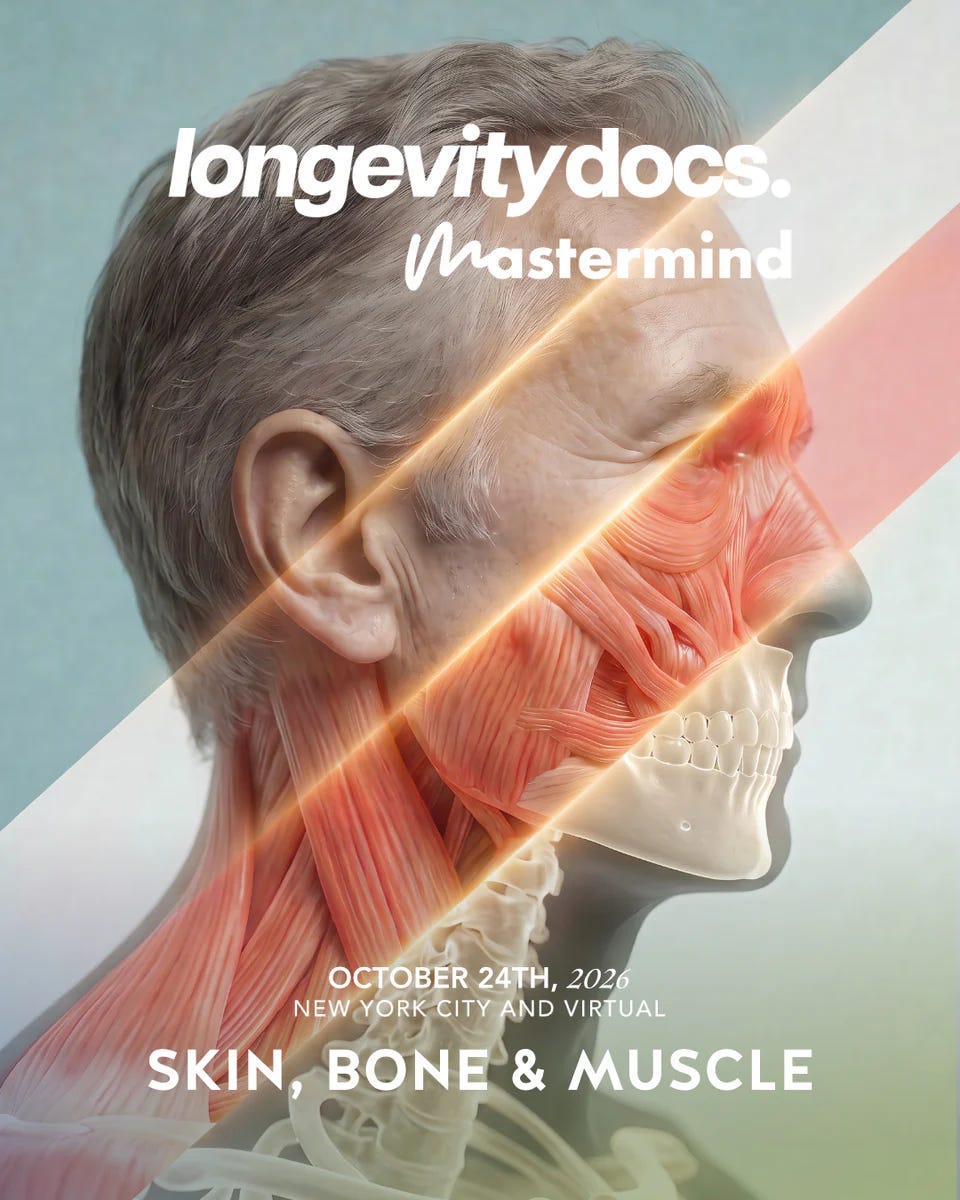
Sneak peek: the Skin, Bone and Muscle Mastermind
October 24, 2026 • New York City
Why skin, bone and muscle
It is the front door of longevity care. It is what the patient sees first, what brings them in, and what they use to judge whether any of this is working.
And it is a triad, not three separate problems. Bone and muscle fail together. Skin reports on what is happening in both. Manage them in isolation and you get exactly the results the field has been getting.
The medical community still underrates it. Cardiometabolic gets the seriousness, skin and musculoskeletal get filed under aesthetics, and the patient goes looking for answers somewhere other than a physician’s office.
That is the gap we are closing in one day.
Physician-led sessions. Every one sends you home with a protocol or a framework. Full program drops next week. Here is a sneak peek:
Skin, Bone and Muscle. The clinical triad of healthy longevity.
The Evidence. Where the science stands today, and where it is going.
New Diagnostics. The biomarkers, AI and devices you can use in practice now.
The GLP-1 Tax. Protecting skin, bone and muscle in patients already on the drug.
The Regenerative Menu. Stem cells, peptides and photons, with a risk-tiered framework for each.
Advanced Protocols. What to implement, and in whom.
The Debate. Where the money is versus where the data is. Choosing a service line you can defend in five years.
Front-row access to the physicians pioneering skin, bone and muscle longevity. One day in New York City. Breakfast, lunch and a VIP dinner. Clinical protocols and scientific breakthroughs you can put to work Monday.
For physicians only. Limited to 150.
Tickets are open. Pricing increases next week.

From Colorectal Surgery to Women’s Metabolic Health: Dr. Mayoni Gooneratne’s Journey to Medicine
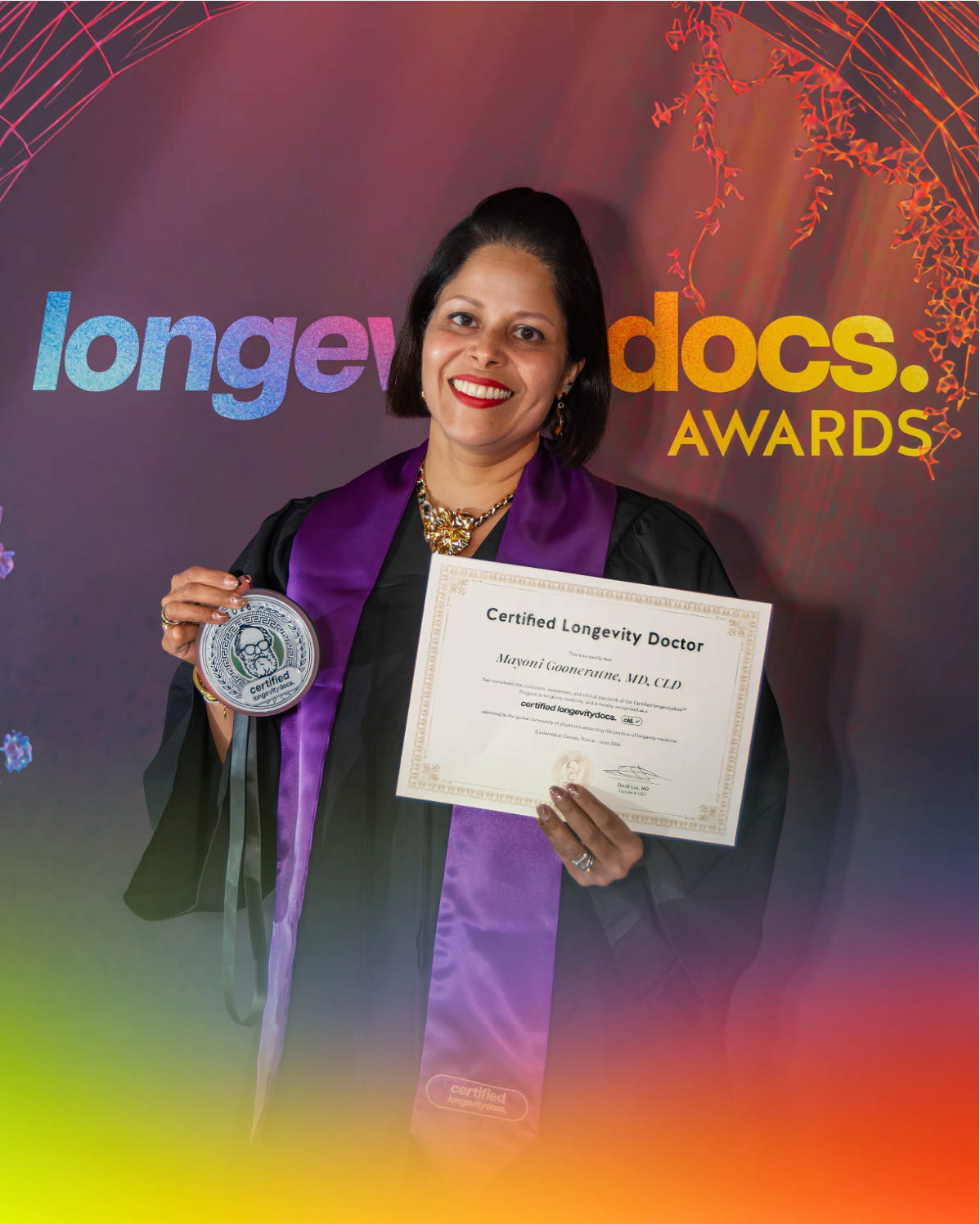
Dr. Mayoni Gooneratne spent years as a pelvic floor and colorectal surgeon in the UK before an inflection point sent her into what she calls her “wilderness years.” Today she’s Functional Medicine Doctor & Executive Medical Director at PHC (Personalized Health Clinics) in London, building a metabolic health practice for women, and a Certified longevitydocs.™ CLD graduate.
Q: Take us back to the beginning. What first pulled you into medicine?
My mom gives this fantastic story of being 8 or 9 years old, and she just said I always wanted to be a studier and to help people. I think medicine is that incredible opportunity to do both. Both my parents are doctors, and they always strongly supported my journey into medicine without forcing the issue, but also very clearly identified when I was beginning to struggle within the structures I was working with in the UK.
As I entered medical school, all I wanted to do was to be a surgeon, and I completed my surgical training. I did a period of research as a fellowship towards a PhD during my surgical training, and that was when I first encountered the huge gap that women faced in healthcare, because I was looking specifically at control of the large bowel. That really meant, in clinical terms, helping women who had suffered with fecal incontinence for many years. That was when I discovered there was a huge underserving of these women. I was a young surgeon, I didn’t really think much more of it, but I remember clocking that. And then I completed my surgical training.
When I entered the end of that time, looking at my colleagues and my mentors who were also coming to the end of theris, I felt a very difficult moment, I realized it was a do or die point, a real inflection point in my training, and with a lot of support and a lot of counseling, I decided to leave.
My parents supported me in that decision, because they could see how difficult it was for me. It was not easy. I had my wilderness years, as I describe it. I had my children while I was recalibrating, and all women who’ve had children, and I think even women who have not had children, have these points in their career where they really have to reformat. I describe them as iOS updates.
I had my first update then, and just had to look around me and pivot, and I set up my first esthetics clinic as an opportunity to really financially grow at that point. But I very quickly discovered a group of women who were like me, who were tired, a bit broken, perimenopausal, balancing all the things, and needed support with lots of things. I put together this process of Skin Fit, Mind Fit, Body Fit, which then evolved over time as I added to my training. I’m a portfolio doctor, really, with multiple services I’ve collated to be of the highest service to the women who come to me, so that we’re offering this wraparound service. They’re not having to shop around, they’re not having to go to different providers either; it was me delivering that service, or a trusted group of clinicians and practitioners who would do that for them under my umbrella. Covid happened, and Human Health evolved out of that. And essentially now I’ve stepped out of that role to be the Functional Medicine Doctor and Executive Medical Director for PHC, where I’ve taken a lot of my learnings to help this incredible space.
Q: When did longevity medicine first land on your radar?
Like many people, both in the general public space and in the medical space, I’d been hearing this word for a while, and I think that was probably first about four years ago. I met David Luu and joined longevitydocs.™ and at that point I was very much on the outside just looking in, curious, watching this space and looking up to these incredible peers and mentors who have gone before us for the last 20 odd years.
I think, much like functional medicine, you’ve got this incredible group of pioneers who are carving out a space, but what is the actual point of difference? I think about people like Dr. Yurth, who talks about sitting at the level of the cell, and my own passion for the mitochondria has grown over many years, because women fail to understand that connection between their cellular health and why they’re exhausted at 4pm. They’ve been on the go, they’ve woken up, they’ve not eaten; that is not fasting, by the way. They’re not fueling their bodies in the best possible way, and then they hit lunchtime, they grab a sandwich, they’re eating at their desk, and suddenly they’re crashing and burning.
“That connection between cellular health and longevity medicine is where it clicked for me.” Dr. Mayoni Gooneratne
But it’s also, I think, thriving medicine. One of my programs is called Thrive, because women have, somewhere along the way, forgotten that life is not just for existing. Having been that woman who’s worn all the hats, I think it’s important for women to know there is life after the perimenopause, but there’s also life at all the metabolic inflection points: PCOS, endometriosis, pregnancy. These are all critical points where the mitochondria are under attack, but we can support it. That, to me, is what longevity is about, how to thrive.
Q: For physicians watching who feel that pull but haven’t taken the leap, what would you tell them?
Do it. It’s the best possible medicine you will ever have practiced. It’s a question we’ve all been talking about at this Congress: what is medicine actually for? It was not to operate more. It was not to prescribe more. It was not to navigate systems and bureaucracy better. It was to truly connect with that human, and to really help them, and to go back to what my mum always reminds me of: it was to take the best of our academic and scientific excellence and bring it to the clinical room.
Q: What’s one thing you loved about the Certified longevitydocs. CLD certification?
Definitely, just number one, knowing that there’s this huge, vast capacity of knowledge, with the capacity to learn more, but also just collating it. I was going through it, going, oh yeah, I know that, I know that, but then actually I don’t know that. And suddenly pulling it together and having a really coherent model to deliver things. A lot of my programs already ticked some of those boxes, but there was a whole load of more information and scope to improve what I’m doing.
Q: Is there one thing that would help you practice most fully?
Number one, for us to be fully present as clinicians with our patients is what’s going to drive our practice and enhance it. So anything that helps with that, whether it’s administrative tasks or knowledge and access to community, and knowing that morally and ethically we are doing the right thing. I think we find that within the longevitydocs.™ group. But also, for me leading a clinic, it’s actually having other clinicians that I can pull into our system. We’re looking to recruit; we need more people who are trained up, because I can’t do this alone, and we can’t change global health alone. It is definitely a we program, not an AI program.
This is exactly why we are building The Certified Longevitydocs.™ (CLD) the certification and training for the longevity physician of the future. Every doctor should be a longevity doctor.

Cellular Senescence Repositioned as an Upstream Driver of Coronary Disease
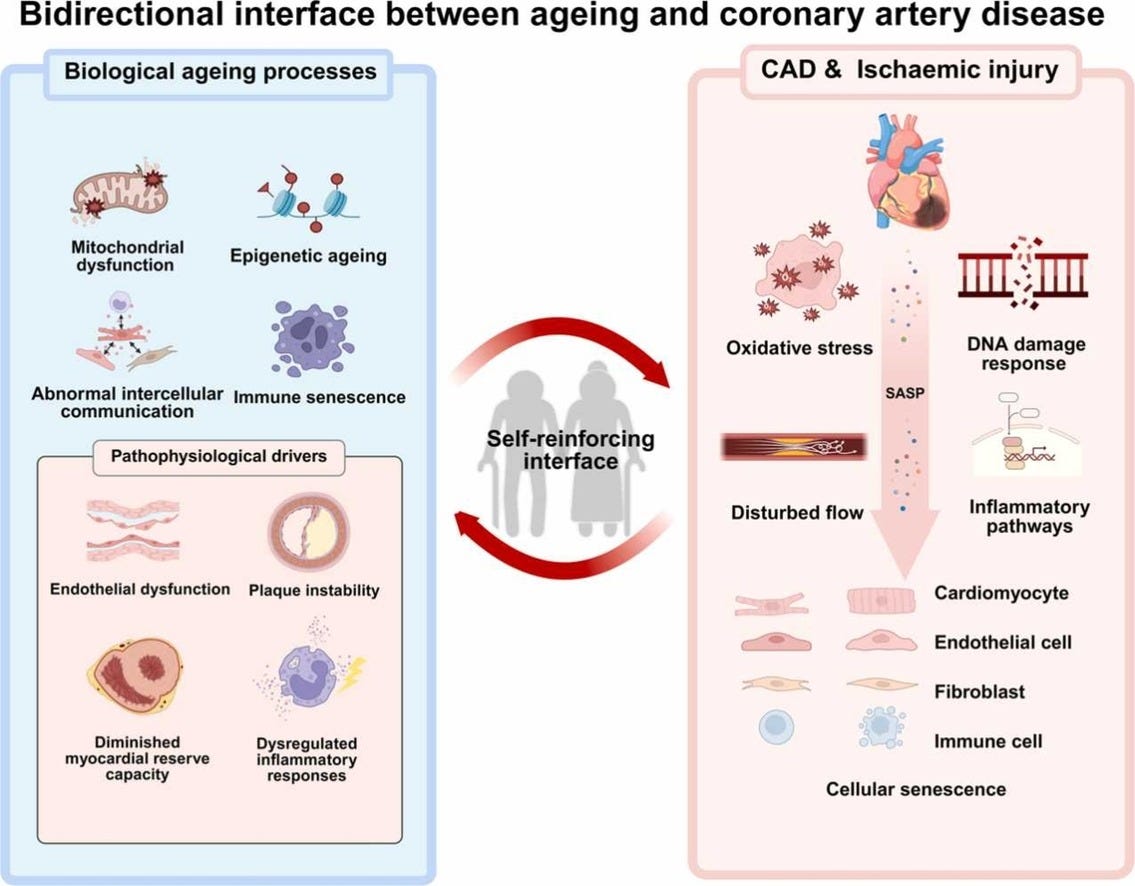
A new review in Ageing Research Reviews argues that senescent vascular smooth muscle cells and endothelial cells generate a SASP that directly propagates plaque instability, positioning senescence as an upstream accelerant of coronary disease rather than a downstream consequence of atherosclerosis Ageing Research Reviews, Li et al., 2026.
Associations of testosterone, sex hormone-binding globulin, and related hormones with risks of cancer
Lower total testosterone or dihydrotestosterone concentrations in men were associated with a higher risk of cancer death, and mid-range SHBG or luteinising hormone concentrations were associated with a lower risk. Men with lower SHBG or luteinising hormone concentrations had an associated higher risk of incident prostate cancer. Sex hormones could serve as biomarkers for cancer risk, warranting further investigation of these observed associations. Lancet Healthy Longevity
Biological mechanisms of different exercise modalities in improving sleep disorders: A review
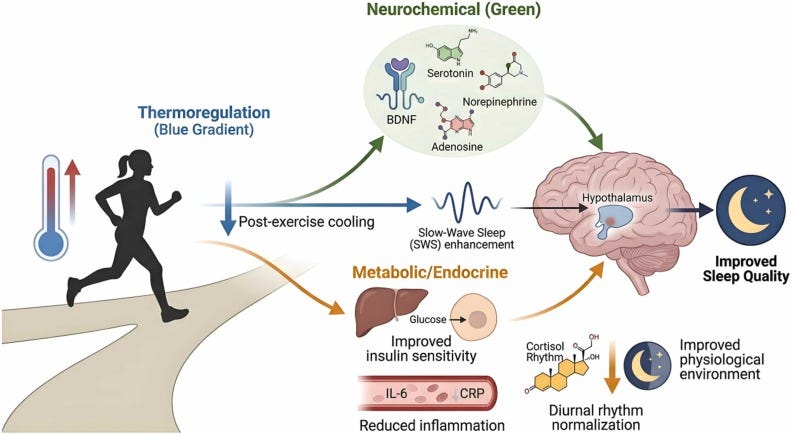
This narrative review aims to consolidate and examine the contemporary body of scientific evidence elucidating how distinct forms of exercise, primarily categorized as aerobic endurance training, resistance or strength training, and mindful mind-body practices, act to alleviate various sleep disturbances. The underlying biological pathways through which these exercise modalities exert their positive effects are complex and interconnected, encompassing thermoregulatory processes, neurochemical adaptations, endocrine signaling, and shifts in autonomic nervous system balance. IBRO

Every week, I track funding, FDA approvals, product launches, and breakthrough announcements shaping longevity medicine.
DIAGNOSTICS
Full-Body AI Skin Imaging

Founded by Deezer co-founder Jonathan Benassaya after his own melanoma was nearly missed, SkinBit closed a $6M pre-seed from Boost VC, Cleo Capital, Manna Ventures, and Profluent Capital, with participation from board-certified dermatologists and angel investors. The proprietary scanner completes a 20-minute automated full-body scan, maps and categorizes marks, and builds a longitudinal skin baseline physicians can track over time. First scanners are landing in medspas, longevity clinics, and dermatology offices, with three locations live in 2026 and 15 planned by the end of 2027.
TECH
Hers App Offers Doctor-Led Care
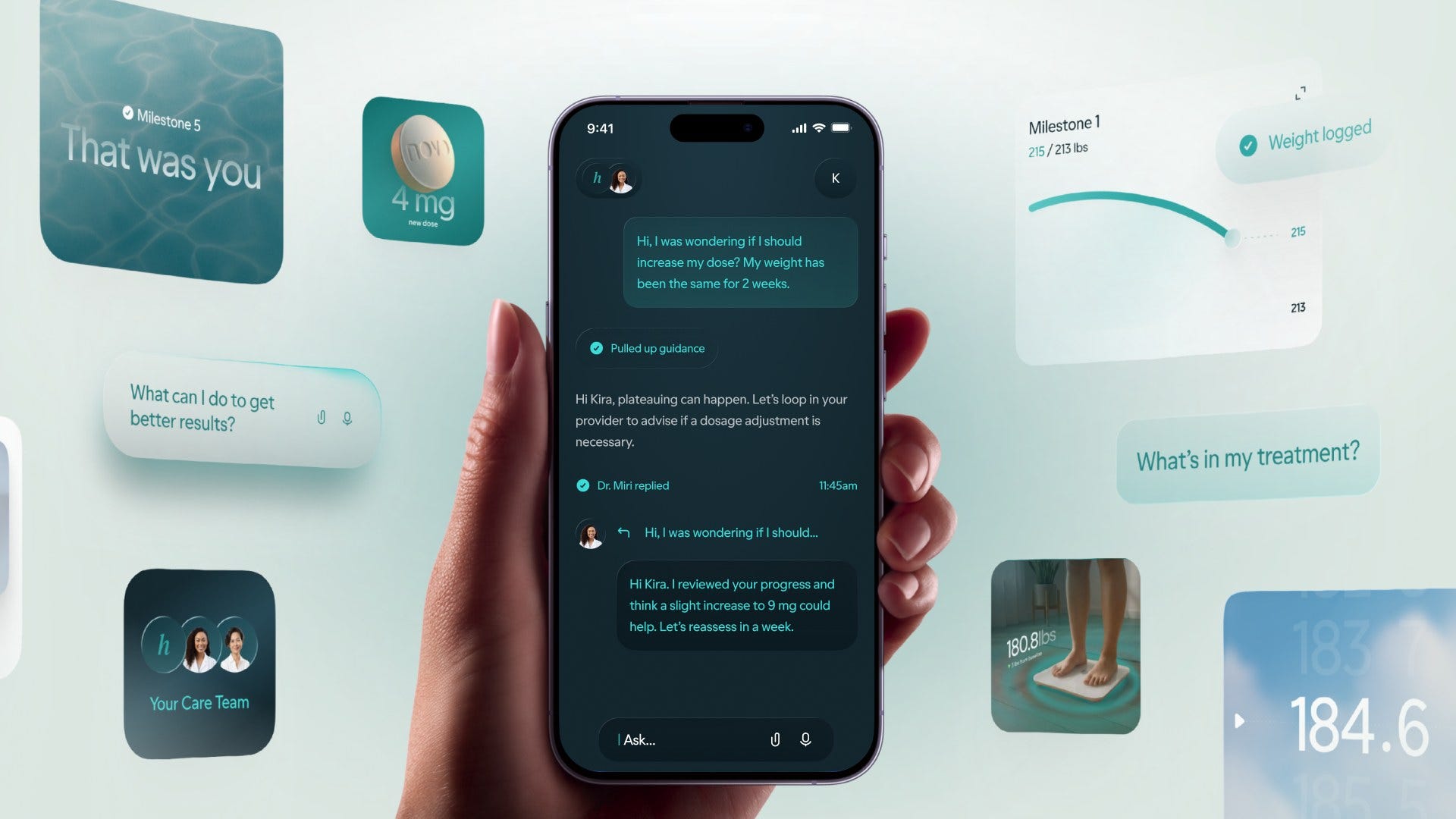
Hims & Hers, the leading health and wellness platform, today announced a first-of-its-kind intelligent care experience that puts AI directly inside customers’ care, not on the sidelines of it. Rolling out first to Hers weight loss members, this proactive care experience delivers personalized guidance, real-time attention to her progress, and keeps her motivated so she can hit her goals.
Whoop Helps You Track Fertility
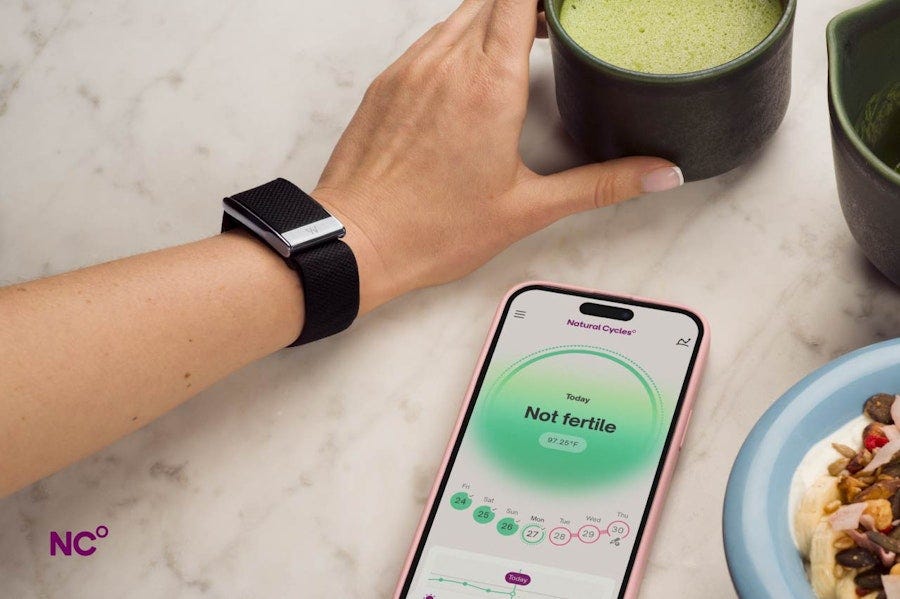
WHOOP partners with Natural Cycles°, a FDA-cleared medical device, that uses biomarker data, including temperature and heart rate data, to identify fertile and non-fertile days, helping users prevent pregnancy without hormones while also providing fertility insights. Beyond birth control, the app also supports users through pregnancy planning, pregnancy, postpartum, and perimenopause with dedicated modes tailored to each stage of their reproductive journey.
RESEARCH
Gene Therapy Center for Rare Diseases
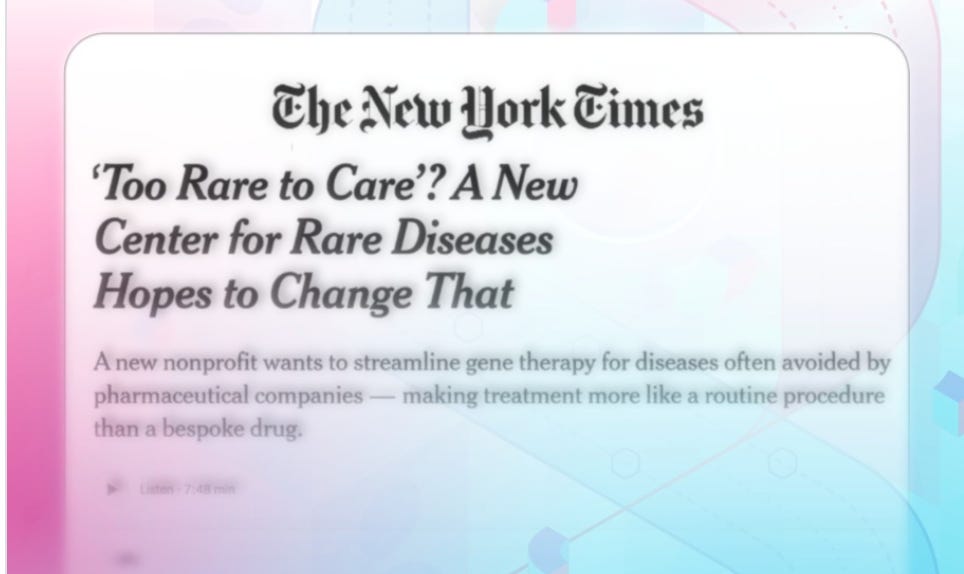
The New York Times profiled ARPA-H’s THRIVE initiative, Treating Hereditary Rare Diseases with In Vivo Precision Genetic Medicines, which is building infrastructure to make single-intervention precision genetic medicines faster and cheaper to develop, aiming to move rare disease treatment past the one-drug, one-disease model most pharmaceutical companies avoid on cost. An estimated 95% of rare conditions still have no approved treatment.
AI
AI-designed Unknown Functional Virus

Stanford researchers used generative AI models Evo1 and Evo2, trained on genetic sequences from viruses, bacteria, plants, and humans, to design 302 candidate bacteriophage genomes from scratch. Sixteen proved fully functional in the lab, replicating and killing E. coli. It’s the first time a complete viral genome has been AI-designed rather than edited, a milestone researchers are calling a turning point for computer-designed biology, with near-term potential in phage therapy for antibiotic-resistant infections. BBC
CONSUMER
Thorne sold to P&G for $3.8B
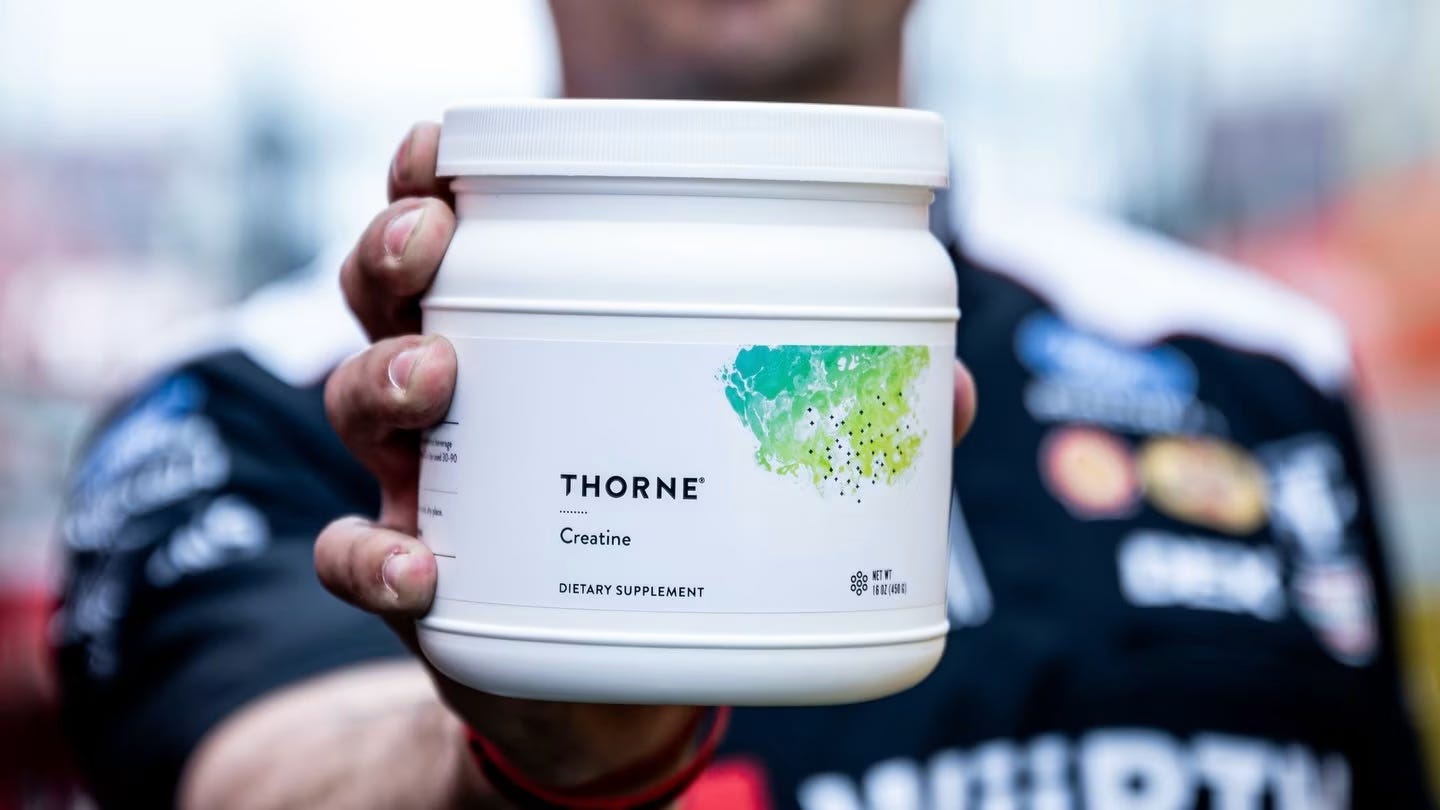
Procter & Gamble has agreed a $3.8bn deal to acquire supplements maker Thorne, delivering an outsized return for LVMH-backed private equity group L Catterton less than three years after it bought the company. FT

The Home of Longevity Medicine
longevitydocs.™ is the largest vetted community of longevity physicians in the world, and the home of the credential that defines the field. 1,200+ doctors. 68 countries. Building the new standard of care. Every doctor should be a longevity doctor.™
Editorial Disclaimer:
This is an important connection. Seasonal changes in light may alter circadian signaling and neurotransmitter systems, which could explain fluctuations in psychiatric symptoms.
Fantastic! Great visual! How can we access this Lexicon and search to topics!