


Hey Doc,
4:12am. Sunday. NYC. Newsletter 93. We organically reached 10,000 followers on Instagram and 7,770 readers with 373K all-time views. Thank you all!
This week: we are launching Jobs, a new feature for physicians to refer patients, hire talent, and find research collaborators directly inside the platform.
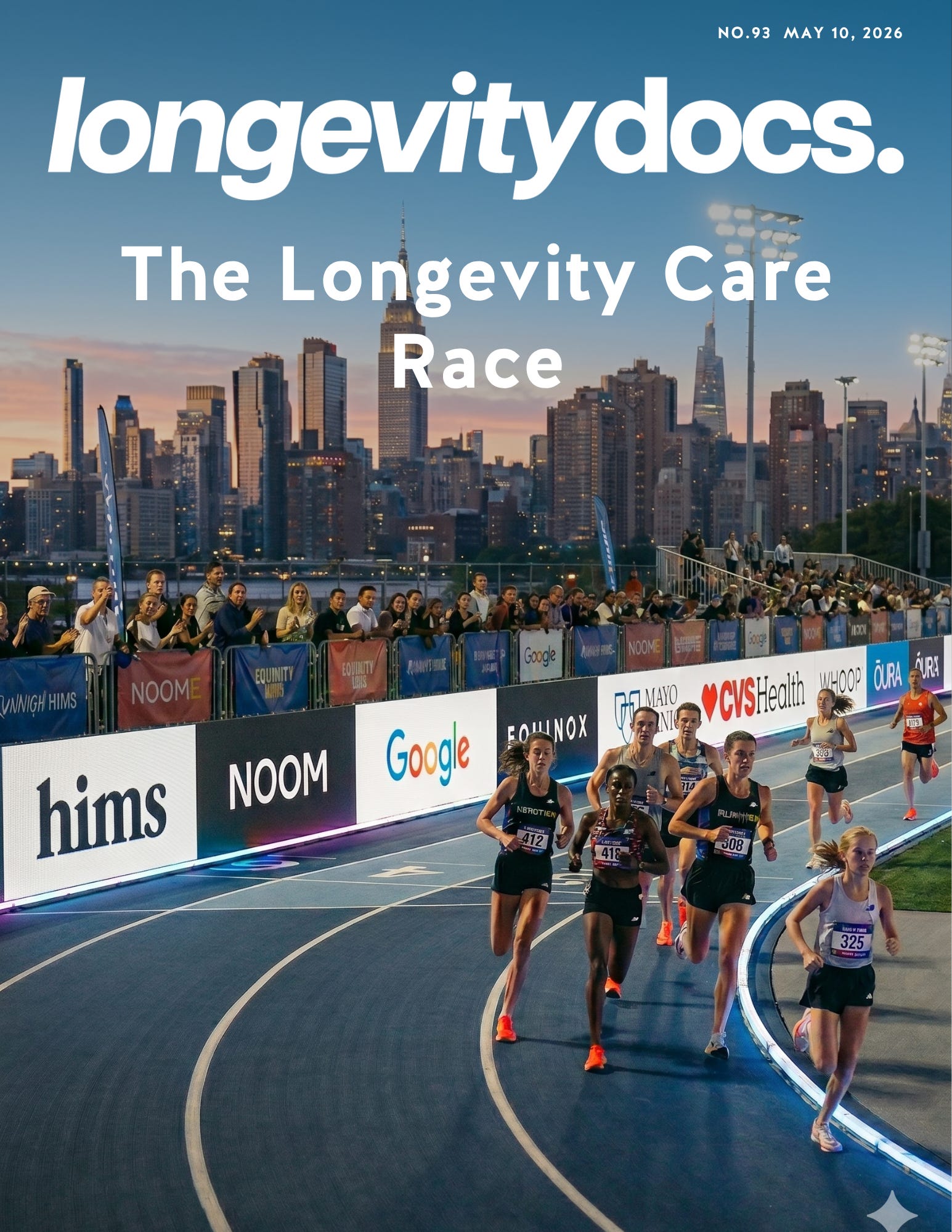
I also deep dive on The Longevity Care Race and what it means for physicians.
11:58am. 93 is out. Happy mother’s day to all
Dr. David Luu, Founder, longevitydocs.™

Every week, we ship something new for this community. Features, experiences, and products built by physicians, for physicians. The platform grows because you do.
APP
Launching Jobs: Refer, Hire, Partner
Every day we get demands for a new medical director, or a physician asking to refer a patient to another specialist. Hiring. Referrals. Partners. So we built Jobs.
One network. Three post types. Two minutes to publish.
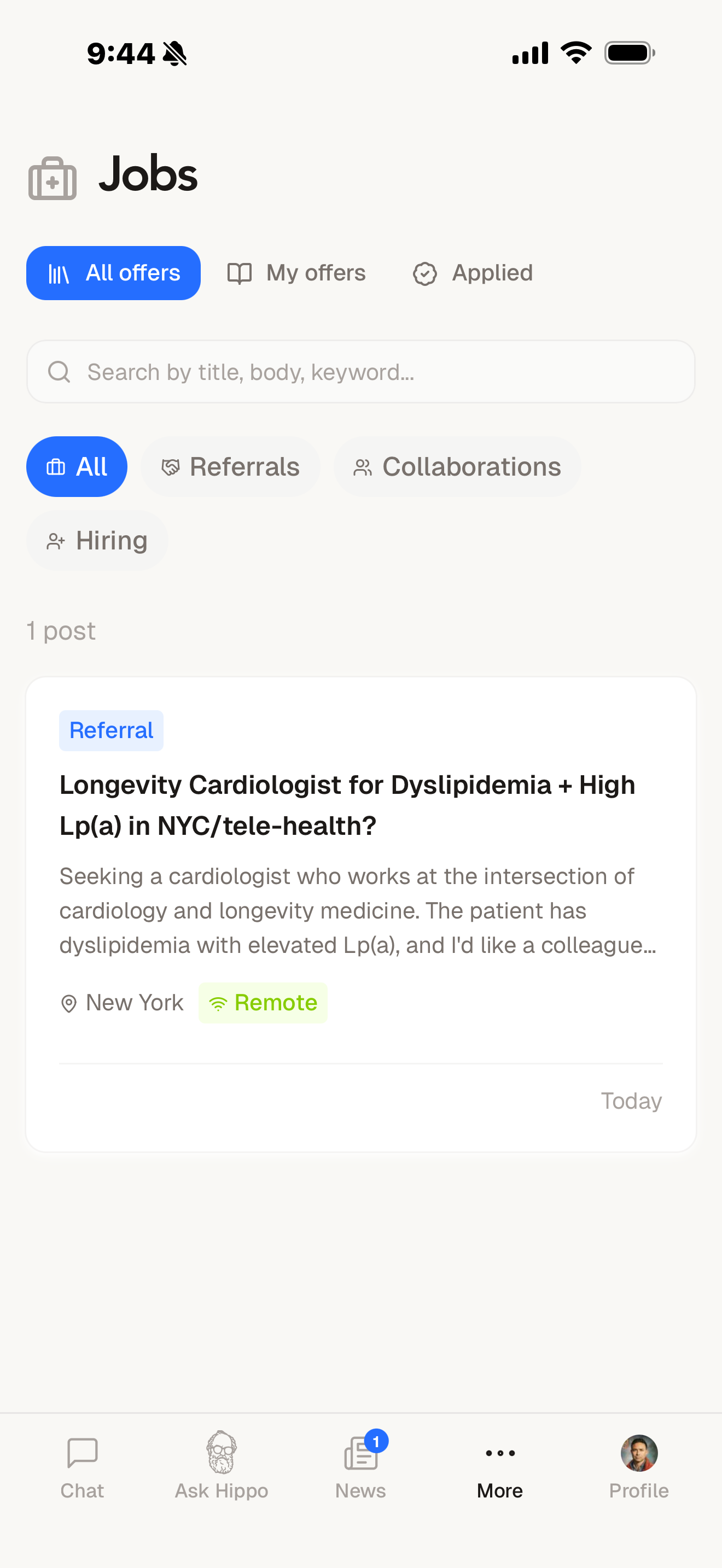
Refer a patient. Post the clinical need, location, and remote availability. Longevitydocs in the network can respond directly.
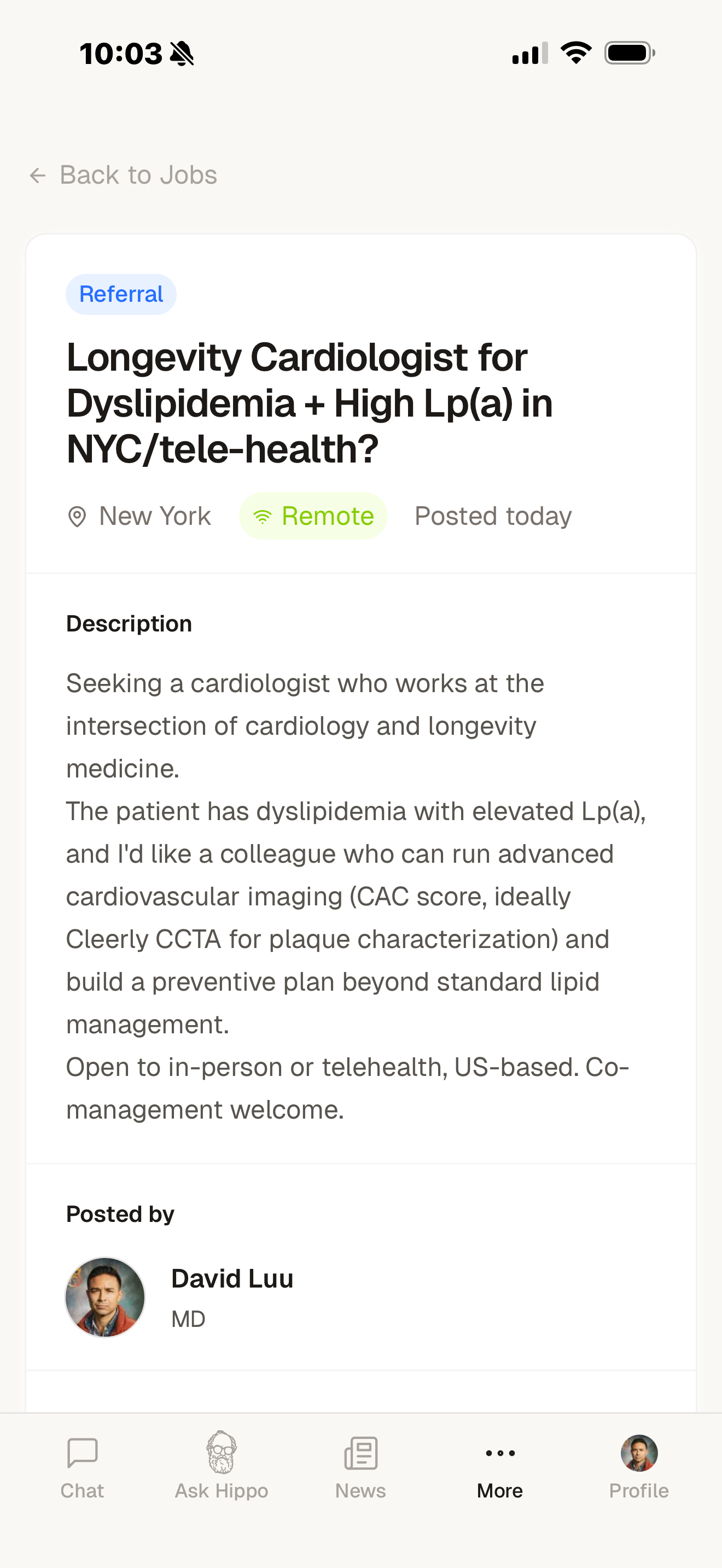
Find a research partner. Post your study scope and find a co-investigator in Tokyo.
Hire a longevity physician. Medical director roles, clinical positions, enterprise advisory seats. NextHealth, Sha, and L’Oréal recruited directly from Longevitydocs.
How Jobs works
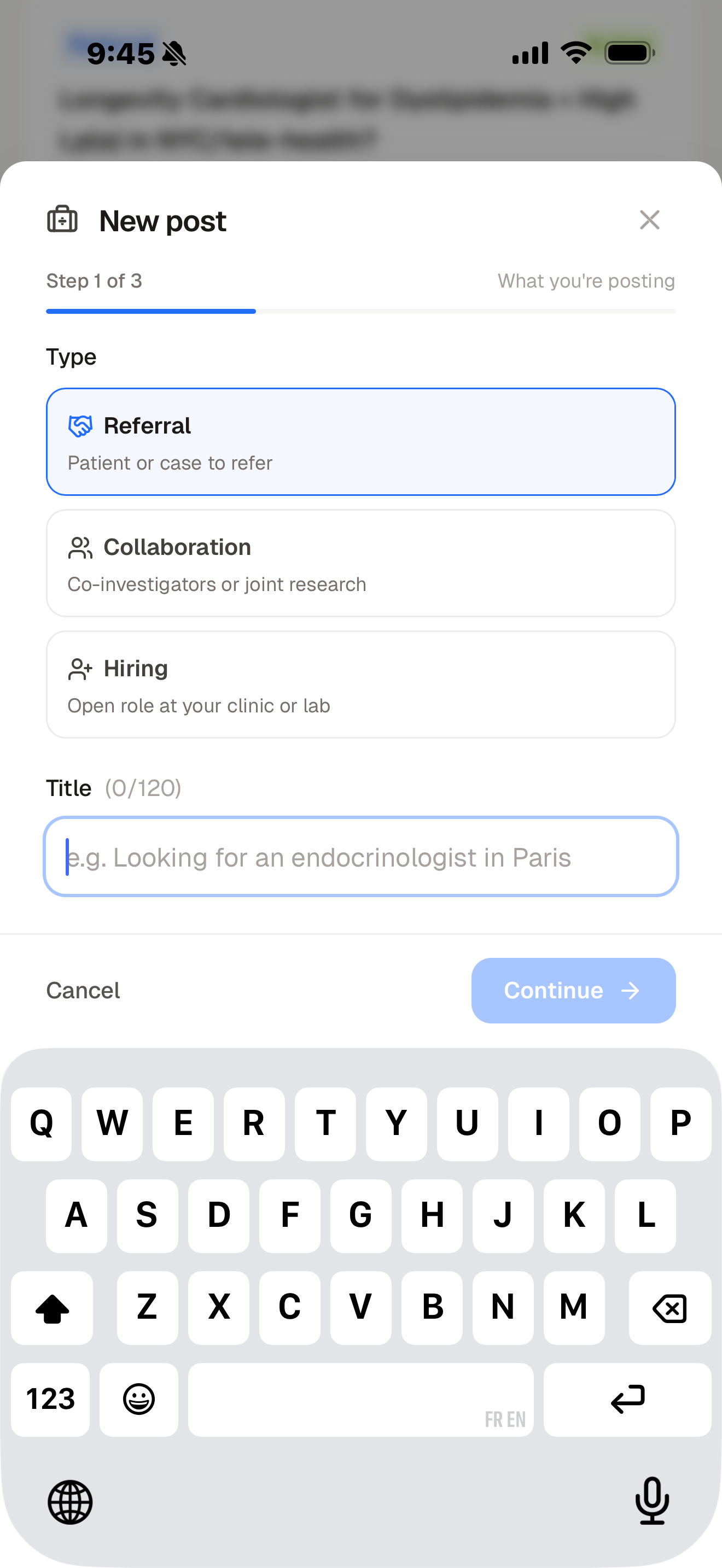
To post: Open the app. Tap Jobs. Pick a post type. Title, description, location, remote toggle. Submit. Every post is moderated before it goes live. Track everything from “My offers.”
To browse: Filter by Referrals, Collaborations, or Hiring. Search by specialty or location. Apply or respond inside the platform.
Every physician is vetted. Every post is reviewed.
Open the app. Tap Jobs.
Jobs is now available on the longevitydocs.ai
ROOM OF THE WEEK
Next Rooms
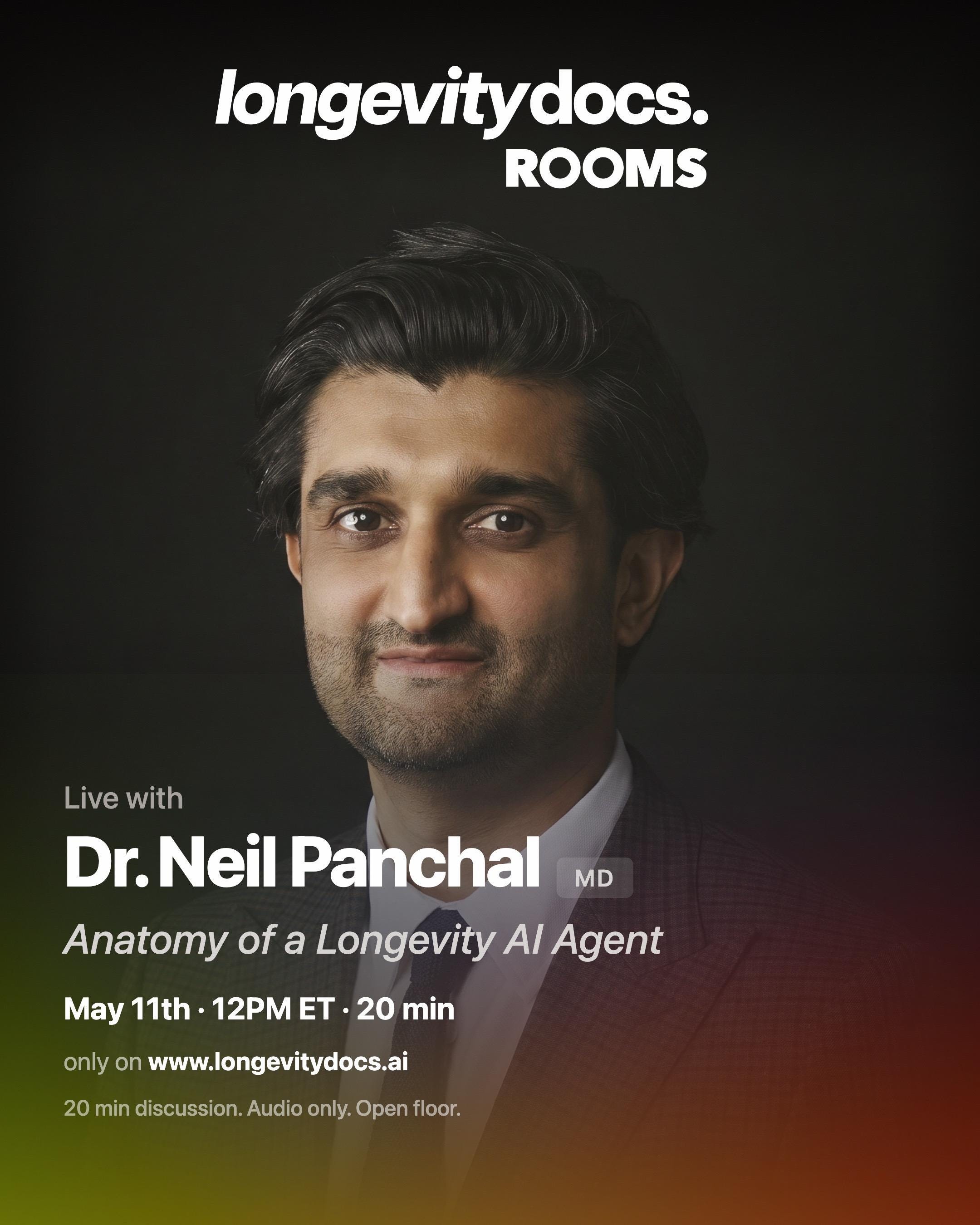
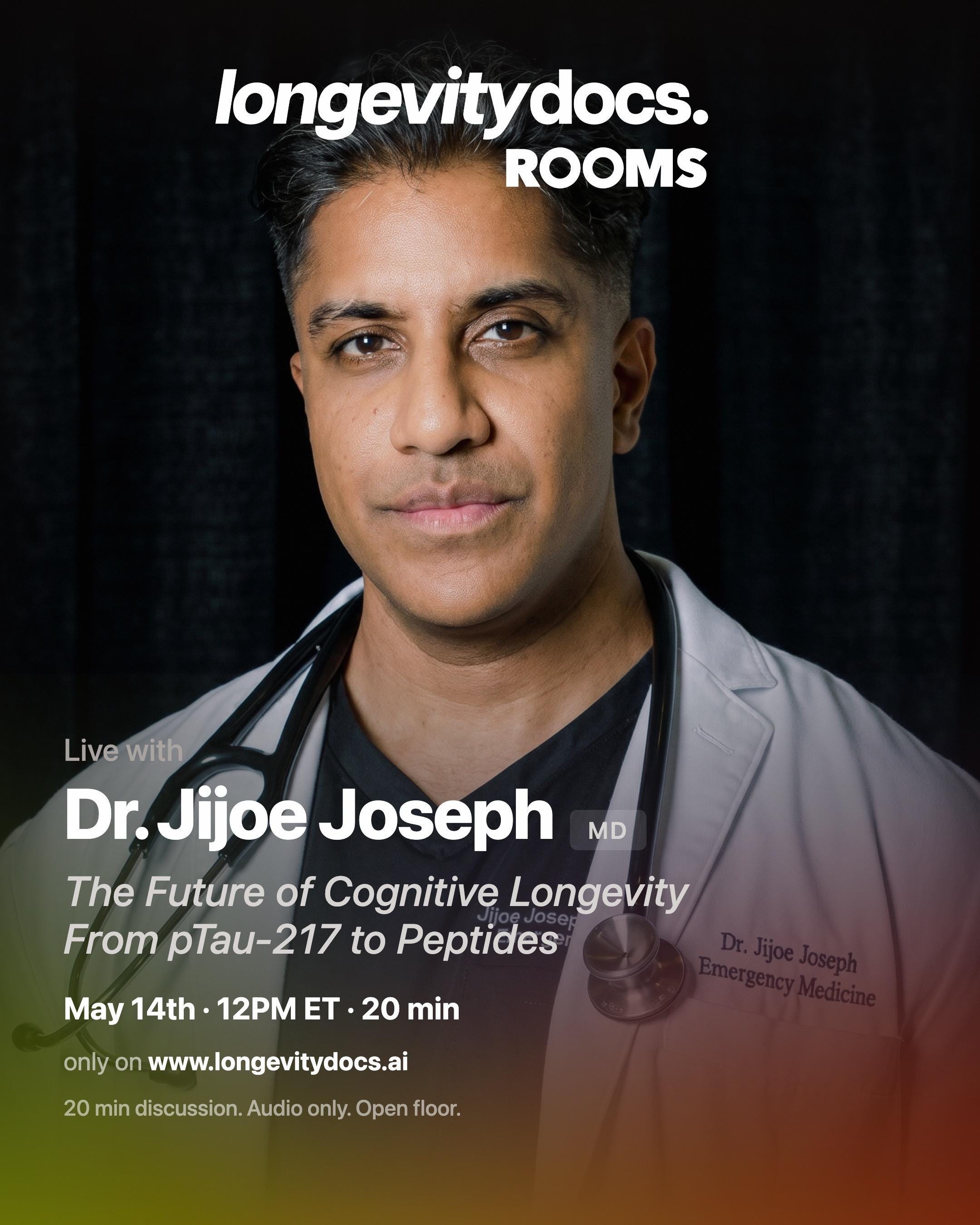
Rooms are available on the longevitydocs.ai

Each week, I try to explore one idea that could advance longevity medicine and hopefully support physicians in bringing it to life.
The Best Longevity Care Platform Does Not Exist Yet. Everyone Is Building It.
Longevity care is medicine for people who want to age well and do not wait for disease or complications. The goal: improve age-related biomarkers and outcomes. Reduce biological age. Lower inflammatory markers. Restore hormonal balance. Improve cardiovascular risk profiles. Extend the number of years lived without disease, disability, or cognitive decline.
Longevity care is clinical medicine applied before disease, measured in biomarkers, and accountable to outcomes. And right now, every major platform in health is racing to deliver it. It runs on three pillars.
Personalized data: genomics, proteomics, metabolomics, wearables, imaging, and lab panels that build a biological profile specific to one person.
Outcomes-based interventions: pharmaceuticals, nutraceuticals, nutrition, exercise, sleep, and behavioral protocols matched to that profile.
Continuous care: longitudinal tracking that measures whether the interventions are working and adjusts them when they are not.
Some build for scale
Every major platform in health is racing to deliver longevity care.
WHOOP added on-demand clinician consultations, EHR syncing, and was selected into the CMS Innovation Center ACCESS program. A wearable company is now a care delivery company.
Google launched Health Coach. $9.99/month. Gemini-powered. Fitness, sleep, and health advising inside the Fitbit app. Apple is building Health+, an AI coach trained on physician data across cardiology, nutrition, sleep, and mental health. Expected later this year.
Hims & Hers has 2.5 million subscribers, at-home labs, telehealth, in-house pharmacy, and a longevity specialty launching in 2026. Noom acquired a compounding pharmacy, launched telehealth-led weight management with GLP-1 prescribing, and is building care plans that pair medication with behavioral coaching
Function Health built a Medical Intelligence Lab unifying lab testing, imaging, wearables, and medical records with AI. Midi Health serves 25,000 patients per week across 500 providers in 50 states with an AgeWell longevity program.
Equinox launched EQX Arc: diagnostics-led women’s health powered by Function’s biomarker panels, integrated with Oura Ring, backed by a Women’s Health Advisory Board of physicians.
They have the technology, the capital, and the distribution. What they do not have is the physician expertise to deliver longevity care with clinical depth and accountability. AI can interpret labs. Platforms can scale access. But the clinical judgment, the risk stratification, the treatment decisions that actually change outcomes
Some build for precision
On the other side, physicians, clinics, and health systems have something none of these platforms can build from scratch: trust. Decades of patient relationships, clinical credibility, and the license to treat. But trust alone does not scale.
Health systems are the slowest to move. Most lack the consumer experience, the digital infrastructure, and the service offerings patients now expect. Patients are not waiting. They are moving to platforms that answer faster, even when those platforms have less clinical depth.
Longevity clinics have the expertise. Advanced diagnostics, personalized protocols, physician-led care. They cannot scale. Overhead is high. Infrastructure is limited. Most serve hundreds, not millions. The clinical knowledge is there. The delivery model is not.
The healthcare expertise is there. What needs to improve is the longevity medicine knowledge, the delivery model, the patient experience, the messaging, and the convenience. The platforms building for scale solved those problems first.
8 Steps to Build a Longevity Care Program
Whether you are a clinic, a health system, or a platform, these are the 8 components you need. Every company in this article is assembling some combination. No one has all eight yet.
Brand and Acquisition. A reason people show up before they are sick. This could be a wearable, a gym, an app, or a physician’s reputation. You need a front door.
Care Offering. Weight management. Hormone optimization. Full-body diagnostics. Women’s health. Cardiovascular prevention. The strongest programs offer multiple lanes under one roof. Start with one. Build from there.
Testing. Biomarkers, imaging, DEXA, CT scans, VO2 max.... Testing is what separates longevity care from reactive care. It gives you the data to personalize interventions and track outcomes over time.
Data and Wearables. Continuous data from wearables turns a single visit into a longitudinal relationship. HRV, sleep architecture, glucose, activity. The data layer is what makes longevity care different from annual physicals.
EMR. The EMR is no longer a billing tool. It is the clinical dashboard. Testing, imaging, wearables, and clinical notes need to live in one place. Without a unified record, there is no care delivery.
Physician Consultations. Telehealth, in-person, or both. The physician is still the trust layer. No program scales without clinicians who can interpret the data, adjust the plan, and manage risk.
Pharmacy. Prescribing without fulfillment creates friction. The programs that own pharmacy own the patient relationship. GLP-1s, HRT, cardiovascular medications, nutraceuticals.
AI. AI connects the other seven into a single operating system. Lab interpretation, risk scoring, patient communication, clinical decision support, operations, and personalized care.
Longevity care for all
AI coaching based on labs will become a commodity. More accessible, more affordable, more available. That is a good thing. Millions of people who never had access to biomarker data will get a personalized report on their phone. But every AI-driven report will start to sound the same.
What remains rare: the trust, the guidance, the motivation, and the accountability that come from a physician. That layer stays precious. People will have more data than ever. They will still need a doctor to help them act on it.
Longevity care is entering its industrialization phase. The platforms are being built. The infrastructure is being assembled. LongevityDocs is building the physician infrastructure that powers it: the community, the education, the credentialing, and now the tools to refer, hire, and collaborate.
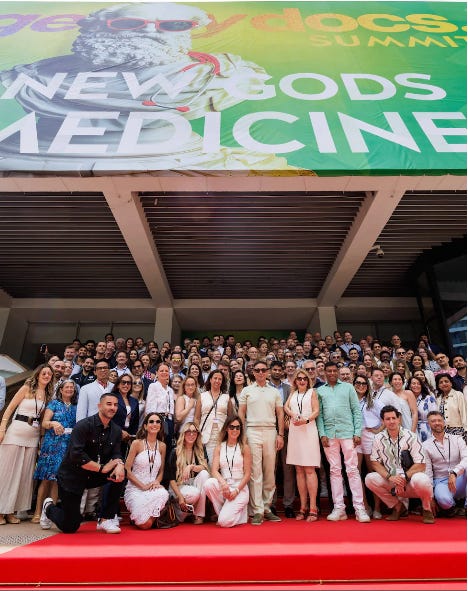
Longevity care for all is closer than the field thinks. Every platform above is building toward it. Physicians shaping thew conversation will be in Cannes.

Every week, the Longevity Docs Chat feels like a front-row seat to the future of medicine. Here’s what had doctors buzzing:
Beta-Blocker Protocol Before Cleerly CTA
A member asked the group:
should I hold Toprol in an athletic patient with a sleeping heart rate in the low 40s before a Cleerly CTA?
Standard prep calls for low-dose metoprolol (25-50 mg) the night before and morning of. The concern: the nighttime dose pushing heart rate dangerously low during sleep.
A cardiologist offered a clear threshold:
if asymptomatic and HR above 45, no need to hold. Below 45, lower the dose or stop entirely.
An interventional specialist went further:
no beta blockade at all for HR below 55. Athletes have high resting vagal tone. Endurance athletes often run in the 30s at night.
A cardiology-focused internist took a different approach: she still gives a low dose day-of because anxiety and the contrast bolus spike heart rate. She skips the PM dose for bradycardic patients. She also noted nitroglycerin during the scan causes compensatory tachycardia, which is part of why the beta-blocker protocol exists.
Then a real case made the discussion concrete. A member shared that his wife’s scan was cancelled. Toprol held for HR of 52. Contrast pushed her to 80.
Multiple members responded:
find a cardiology-run center with IV metoprolol on standby.
One confirmed his center does every scan this way.
The discussion shifted to whether CTA was the right test at all. With Lp(a) of 250 and ApoB of 130, one cardiologist laid out her approach: drive ApoB as low as achievable, use Repatha (drops Lp(a) 25-30%), add ezetimibe and bempedoic acid especially for ApoE4 carriers, monitor with CIMT. For younger women, she raised breast cancer risk from CTA radiation and recommended CIMT plus CAC as alternatives.
Key Takeaways: HR above 45 and asymptomatic: proceed with beta-blocker. HR below 45: reduce or stop. Always skip the PM dose for bradycardic patients. Always have IV metoprolol on standby at the imaging center. Before ordering Cleerly, ask whether the result will change management. In very high Lp(a) with elevated ApoB, aggressive lipid-lowering may be the move regardless of imaging. Find a cardiology-run center. The cancelled scan was preventable.

Core Capacity clock of human aging
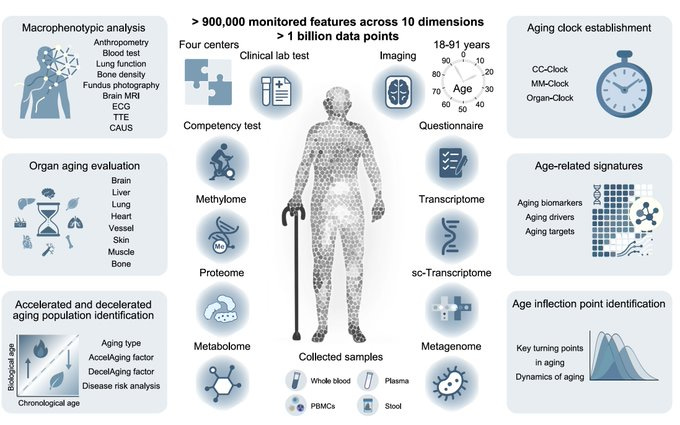
Researchers built an aging framework from 2,019 individuals integrating clinical, physiological, and molecular data across three tiers: physiological decline, multimodal precision, and organ-specific aging rates. Plasma protein clocks proved to be efficient proxies for whole-body functional status. The framework also identified coagulation factor accumulation as a driver of multi-organ senescence and systemic inflammation. Cell
For longevitydocs: most biological age tools measure one layer. This connects molecules to function in a single system. Coagulation factors as an aging driver are measurable and potentially targetable. A more comprehensive clock is coming. Physicians running proteomic panels are already on the right track.
Semaglutide Reduces Heavy Drinking in Alcohol Use Disorder
108 adults with alcohol use disorder and obesity received weekly semaglutide (2.4 mg) or placebo alongside cognitive behavioral therapy for 26 weeks. Semaglutide reduced heavy drinking days by 41% (12 fewer days per month vs. 8 for placebo). Total alcohol consumption dropped nearly 50% more than placebo. Weight loss: 11.2 kg vs. 2.2 kg. Number needed to treat: 4.3, lower than any approved AUD medication.
For longevitydocs: GLP-1s keep expanding beyond metabolic disease. Alcohol use disorder accounts for 5% of deaths globally and accelerates biological aging across every organ system. A single weekly injection that reduces drinking, weight, and cravings simultaneously is a longevity intervention whether or not it is labeled as one. For physicians already prescribing semaglutide, this is a new clinical indication to watch.
Lifestyle Intervention Did Not Change Brain Biomarkers but Protected Cognition in At-Risk Adults
POINTER trial: 983 adults aged 60-79 with risk factors for cognitive decline received either a structured or self-guided lifestyle intervention (exercise, nutrition, social engagement, cardiovascular monitoring) over two years. Neither group showed changes in amyloid, tau, hippocampal volume, or white matter lesions. But adults with lower baseline hippocampal volume or increasing tau showed significantly better cognitive outcomes in the structured group. JAMA Neurology
For longevitydocs: lifestyle interventions may not reverse brain pathology, but they protect cognition in people who need it most. The benefit was greatest in those already showing signs of neurodegeneration. For longevity physicians: brain imaging can identify which patients will benefit most from intensive lifestyle protocols. Precision prevention, not one-size-fits-all.

Every week, I track funding, FDA approvals, product launches, and breakthrough announcements shaping longevity medicine.
CARE
WHOOP Adds Clinician Consultations and EHR Syncing
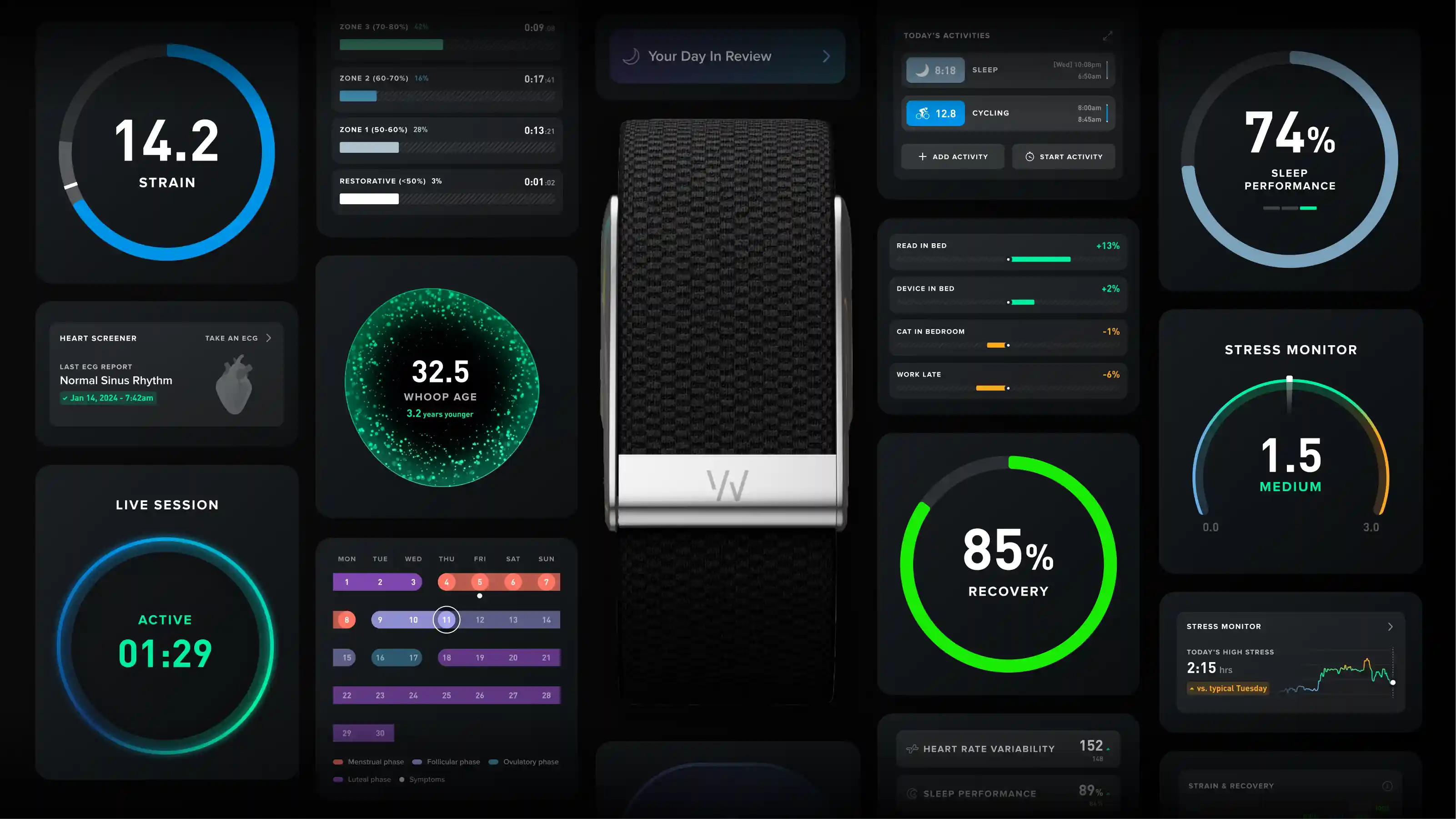
WHOOP is launching on-demand video consultations with licensed clinicians inside the app this summer. Consultations start with months of continuous biometric data, not a blank intake form. EHR syncing through HealthEx connects diagnoses, medications, and procedures. New AI features include persistent memory, proactive check-ins, and voice-based habit journaling. WHOOP
Why it matters: a wearable company with continuous data, clinical consultations, and medical record integration is now a care delivery platform. WHOOP was also selected into the CMS ACCESS program for Medicare beneficiaries. The line between consumer health and clinical medicine is disappearing. Physicians should pay attention to who is building the infrastructure around their patients.
AI
Google Launches AI Health Coach with Gemini
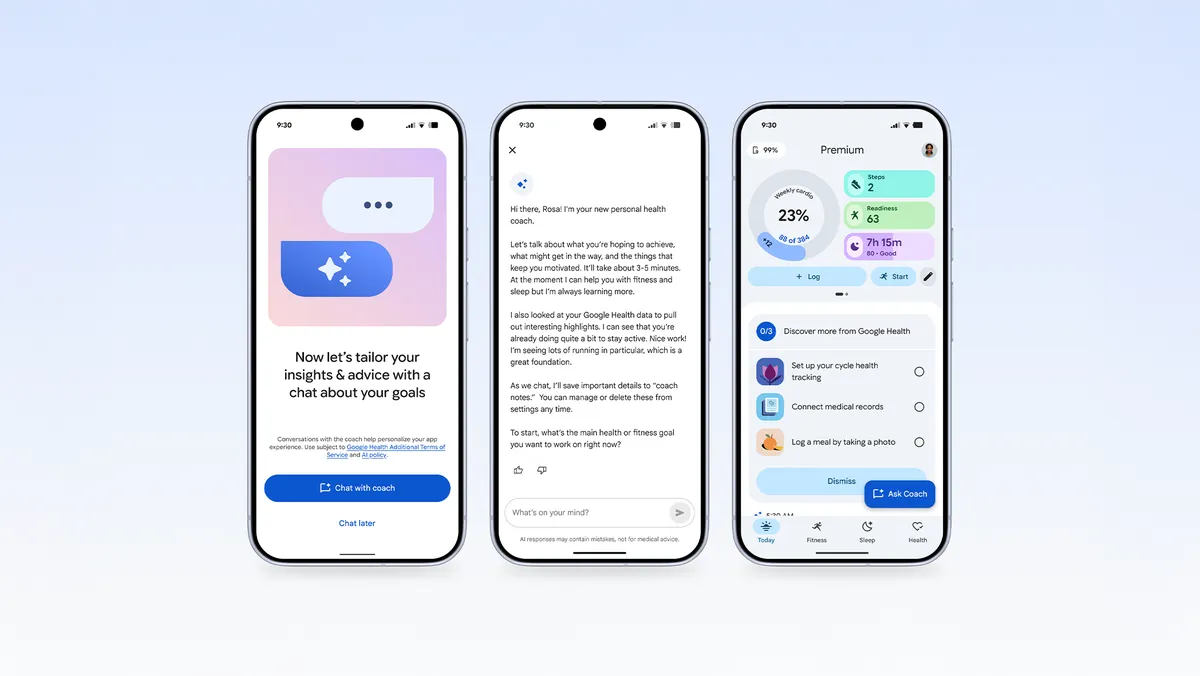
Google Health Coach is live for Fitbit and Pixel Watch users. Gemini-powered. Personalized workout plans, sleep analysis, recovery insights, and nutrition advising built on continuous biometric data. Members can connect CGMs through Health Connect and ask the coach how specific meals or workouts affect glucose. Medical record syncing lets the coach summarize clinical history in plain language. Included free with Google AI Pro and Ultra subscriptions. Google Blog
Why it matters: Google just built a longitudinal health advisor that reads your wearable data, your glucose monitor, and your medical records. For $9.99/month. At that price and distribution, this reaches hundreds of millions of people before any physician does. The AI health coach is becoming the first point of contact for health decisions. Physicians need to be inside these ecosystems, not outside them.
Hims & Hers Launches Labs AI Care Agent
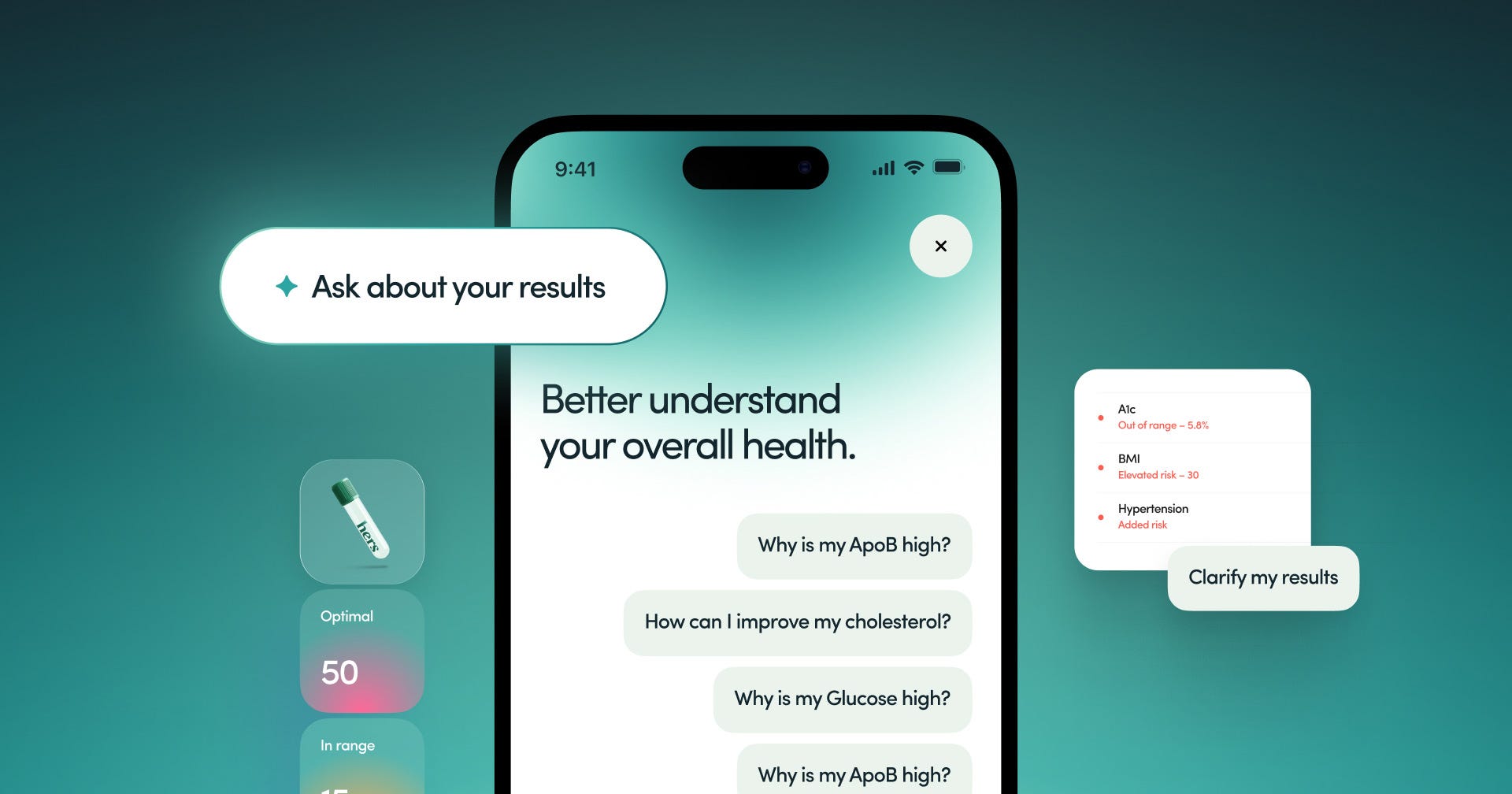
Hims & Hers launched Labs AI, an AI agent that reasons across up to 130 biomarkers, personal health profiles, and historical trends to deliver personalized analysis. It identifies patterns across markers (e.g., LDL, ApoB, and Lp(a) together signaling cardiovascular risk) and connects customers to licensed clinicians when needed. Built on clinician-designed guardrails, not the open internet. Hims & Hers
Why it matters: 2.5 million subscribers now have an AI that reads their labs the way a longevity physician would, for the cost of a subscription. When it flags an ApoB and Lp(a) pattern and recommends a clinician, that referral goes to a Hims provider, not yours. The platform that interprets the labs controls the patient relationship.
POLICIES
ARPA-H Launches AI-Powered Research Acceleration Program
ARPA-H announced IGoR (Intelligent Generator of Research), a five-year program to build an AI-enabled research ecosystem targeting complex chronic diseases including Alzheimer’s, Parkinson’s, and autoimmune conditions. The system uses AI to identify knowledge gaps, recommend experiments, standardize protocols for reproducibility, and continuously refine disease models. Goal: accelerate biomedical discovery at least ten times faster.
Why it matters: the replication crisis and fragmented research have slowed breakthroughs for decades. IGoR builds infrastructure to fix both. For longevity medicine, where complex multi-system aging mechanisms resist traditional single-lab approaches, a networked AI-guided research ecosystem could compress timelines on the diseases we care about most.
SCIENCE
Genome editing can be risky. Meet the epigenome editors
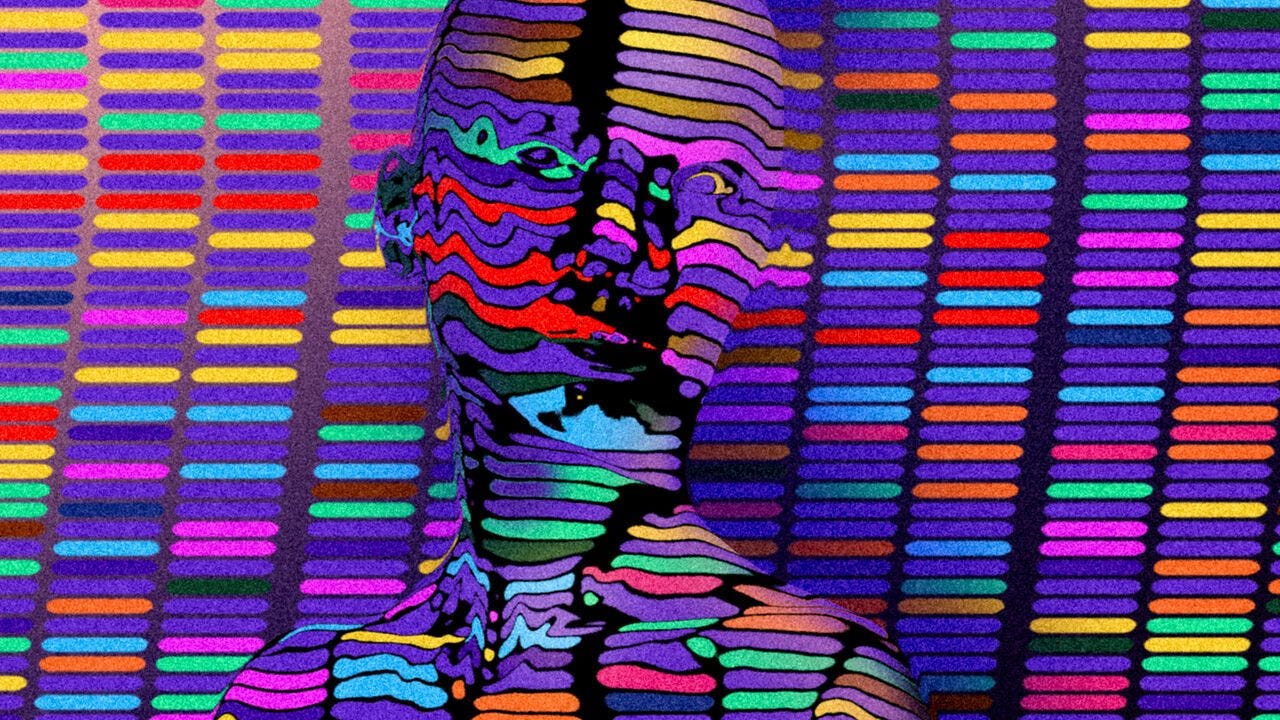
Scientists are using CRISPR’s guidance system with the cutting enzyme disabled. Instead of altering DNA, epigenetic editors silence or modulate genes by adding chemical markers. Clinical trials are targeting PCSK9 (atherosclerosis), hepatitis B, and muscular dystrophy. A single dose could replace daily pills. The Economist
Why it matters: lower risk than gene editing, with direct relevance to aging. Chronic inflammation and cellular senescence have epigenetic components. PCSK9 silencing as a one-time injection would reshape cardiovascular prevention.
The Thymus May Be a Key Longevity Organ
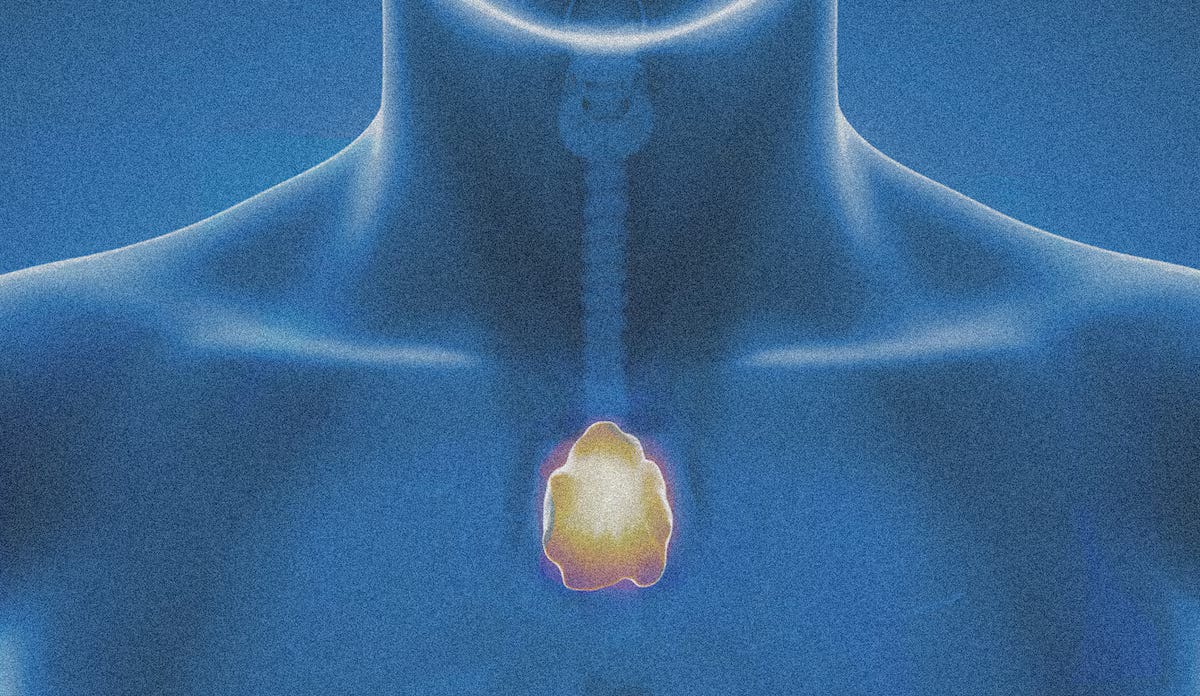
Adults who had their thymus surgically removed were twice as likely to die of any cause and twice as likely to develop cancer within five years, per a landmark NEJM study. New research using AI-scored CT scans found that a healthier thymus predicted lower lung cancer, cardiovascular death, and all-cause mortality over 12 years, plus better response to cancer immunotherapy.
Why it matters: the thymus trains T cells, shrinks after puberty, and was dismissed as vestigial for decades. It is now being reconsidered as a regulator of aging, immune surveillance, autoimmunity, and cardiovascular risk. Researchers are working to regenerate it. For longevity physicians: immune aging starts with thymic involution. This organ may be the missing variable in how we think about immunosenescence.

Discover who is going Back to Medicine
Longevitydocs Cannes Summit & Awards- June 9-11



The Home of Longevity Medicine
longevitydocs.™ is the world’s leading longevity physician community - 1,000+ physicians across 68 countries united by a single conviction: every doctor should be a longevity doctor. Founded by Dr. David Luu, the platform offers its members network, education, and experience with the mission to democratize longevity medicine.
Not a member yet? Join longevitydocs™
We’re a physician-only network. Curated. Vetted. Built on trust. If you’re committed to practicing longevity medicine with rigor, peer support, and shared standards → this is your community. Apply to connect with our team.
Longevity medicine is the personalized, evidence-based practice of modifying the root mechanisms of aging (biological, cognitive, and psychosocial) before they become disease, extending healthspan, not just lifespan. Using advanced diagnostics, precision interventions, and AI-enabled monitoring, it translates measurement into action across every medical discipline. Success is measured in functional capacity, vitality, and disease-free years.
Subscribe to the Longevity Docs Newsletter
Longevity medicine is moving fast. Every week, we bring you what matters: clinical insights, research signals, and perspectives from 1,000+ physicians across 68 countries. One newsletter. Built for the physicians shaping this field.
Editorial Disclaimer:
nice! the build-for-scale vs. build-for-precision framing is a great articulation of where this space actually is right now.
i'm an angel and advisor at function health and besound and building my own brand to scale my work and methodology as a practitioner - i would love to connect. really curious for your read on who you think is doing the best clinical work on the full-body longevity clinic side right now?
Awesome. Longevity Docs going from strength to strength 👏🐬