


ISSUE #114 · NOVEMBER 7, 2026
Hey Doc,
I just came back from ASDS in San Diego, the American Society for Dermatologic Surgery meeting. More and more specialists want to add longevity care to their practice to support the specialty they already have, from dermatology to cardiology to internal medicine. I think we are seeing a shift.
Today’s story is part 2 of The Business of Longevity Practices: what it costs to open a practice. Stay tuned for part 3 next Sunday: the equipment for your longevity practice.
Then, What’s New at longevitydocs™: we are introducing Courses, to learn the latest in longevity medicine. In Research, I am excited about Vadim Gladyshev’s Simply Aging perspective. And in News, Anthropic bought Mithril, a one-person biotech company.
Happy Sunday!
Dr. David Luu, Founder, longevitydocs™

THE BUSINESS OF LONGEVITY PRACTICES · PART 2 OF 4
The Cost of Opening a Longevity Practice
You do not have to mortgage your house to start a longevity practice.
Or take out another loan. It can be simple and fast. There are still several steps, and we all went through them when we opened our own practices. Here they are, summarized, so you do not have to do the work.
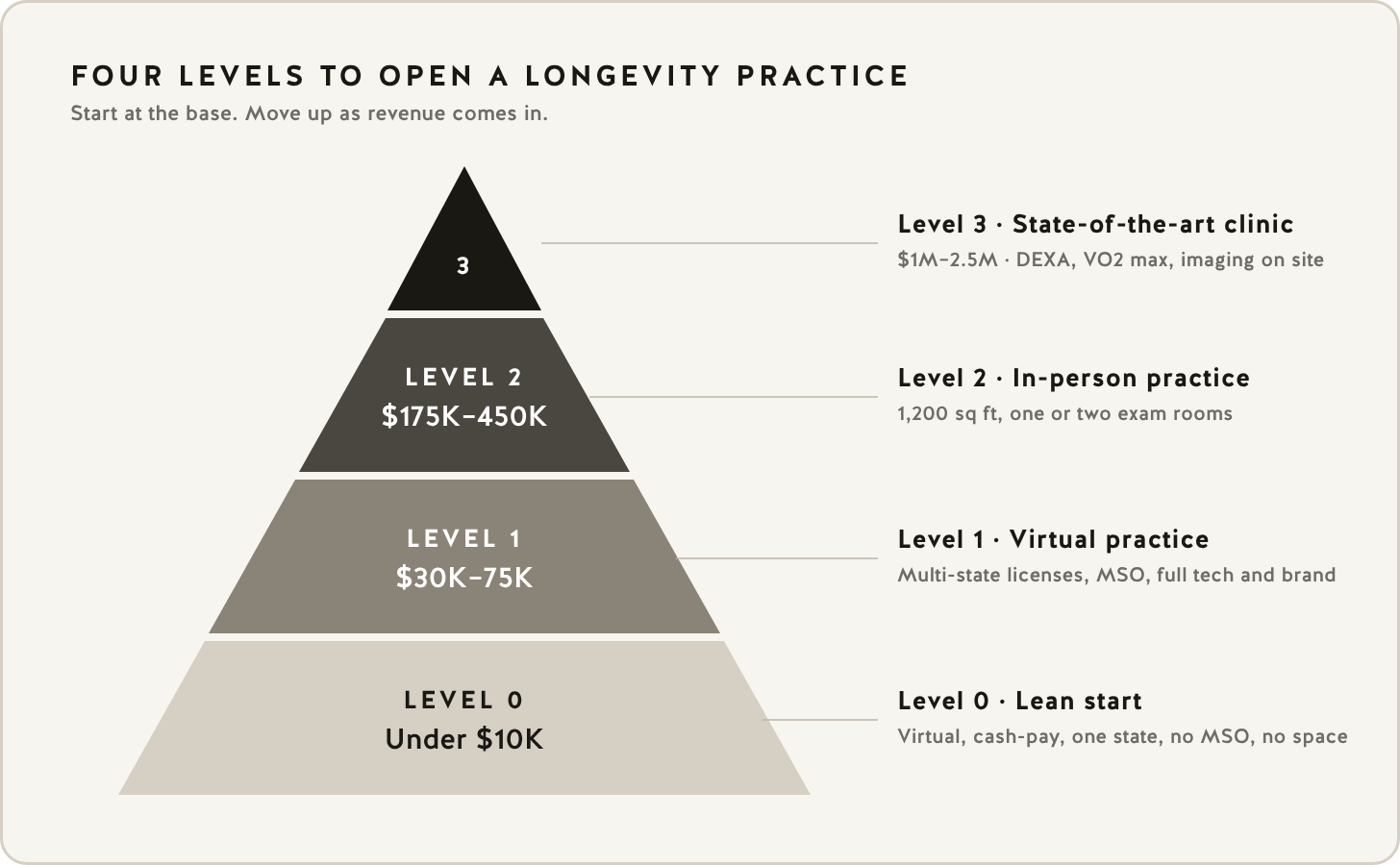
Depending on the model, opening runs from under $10,000 to more than $1 million. Most of that difference is real estate and equipment. Most physicians underestimate a second number: the cash it takes to keep the practice running until the panel fills. Below: four levels, the ramp, three ways to open for less, and a two-page checklist so you do not miss a line.
If you are a health system or a larger investor planning a longevity clinic, stay tuned. Next week’s issue covers equipment, and you can adapt the thinking in this one to your clinic as well.
This is not a final playbook. The figures are planning estimates for a major US metro, where most of our US readers practice. Adjust them to your own practice and region, and get quotes before you commit.
Level 0: the lean start, under $10,000
A longevity practice can open for less than $10,000.
For the solo physician moving into longevity medicine. Start virtual and cash-pay. Keep it simple:
A license in one state
No MSO, no physical space, no DEA
One review with a healthcare attorney: member agreement and state rules
EMR, AI scribe, telehealth: monthly software, nothing upfront
Marketing: AI agents and LLMs
Branding and networking: mostly your time
You can move to Level 1 as soon as you get some revenue.
Level 1: virtual practice, $30,000 to $75,000
No lease. No build-out. The money goes to:
A professional corporation, and an MSO if you plan to grow
A healthcare attorney
Licenses in every state where your patients live
Malpractice
An EMR with telehealth and an AI scribe
A website and a brand
Labs come from at-home kits or mobile phlebotomy. Fixed overhead stays near $175,000 a year. The trade-off: no physical exam, no on-site testing, and less of the trust that comes with a room.
Level 2: in-person practice, $175,000 to $450,000
One or two exam rooms in about 1,200 sq ft. Imaging sent out. The biggest line is the space.
Build-out: second-generation medical space, already plumbed and wired, costs 30 to 50% less than a shell. Roughly $100 to $260 per sq ft nationally, 20 to 30% more in coastal metros.
Exam furniture, ECG, body composition, blood draw station: $30,000 to $60,000
Legal, technology and brand: $25,000 to $50,000
A lease deposit
If you want a room, start here.
Level 3: state-of-the-art clinic, $1 million to $2.5 million
2,500 to 4,000 sq ft. DEXA, VO2 max, ultrasound and recovery rooms on site, built from a shell.
Build-out: about $240 to $365 per sq ft in coastal metros. 3,000 sq ft costs $720,000 to $1.1 million before equipment.
Body-composition DEXA: $30,000 to $45,000 refurbished, more new
Metabolic cart with treadmill: $40,000 to $80,000
Design, furniture, IT and pre-opening hires: the rest
Level 3 can climb fast. It depends on the equipment you pick:
MRI: up to a 7T MRI
CT: the latest-generation CT scan
VO2 max: from a simple mask device to a full gas-exchange metabolic cart
This model makes sense once a brand and a waitlist already exist. Next Sunday, part 3 goes through the equipment machine by machine.
The number most physicians miss: the ramp
Opening costs end on day one. Overhead does not.
Overhead in last week’s metro example: about $38,000 a month
At 8 to 10 new members a month paying $10,000 a year, revenue covers overhead after about 7 months, and your target pay after 12 to 15
The gap until then: about $130,000 for overhead alone, closer to $500,000 if you pay yourself
Budget for it before you sign the lease.
Ways to open for less
1. Go virtual. Build the panel online. Add a room when you have the members to fill it.
Skip the lab room. Mobile phlebotomy and at-home kits do the draws.
Send imaging out. An outside DEXA stays cheaper until you run several hundred scans a year.
When you buy, buy refurbished or lease. A GE iDXA rents from about $1,200 a month.
2. Partner. Someone else already has the space, the equipment or the patients.
Hotels and members’ clubs. They want longevity on the premises. They bring the space and the clientele. Negotiate a revenue share instead of rent.
Gyms. Run VO2 max and strength testing where the equipment, and your future patients, already are.
Other physicians. Sublease an exam room by the day. Or split the suite, the front desk and the nurse with a colleague whose patients complement yours.
Landlords. Take second-generation medical space. Negotiate a tenant improvement allowance and free months.
Health systems. Become their longevity service line. They have the rooms, staff and patients. You bring the program.
3. Go niche. Pick one clinical lane and equip only for it.
Menopause and bone: a lab partner and a DEXA referral.
Cardiometabolic: labs, CGM and an ECG. Send the calcium score out.
Skin longevity: the dermatology room you already have.
Brain health: cognitive testing software and a lab partner.
One mistake to avoid
Do not build your model on a margin from labs or treatments like HRT and peptides. They are becoming commodities. Patients can already order a 100+ biomarker panel online for $199, and prices keep falling. There is almost no margin left to make on them.
The most important investment is trust and knowledge.
Build your brand, stay educated and keep growing your mindset.
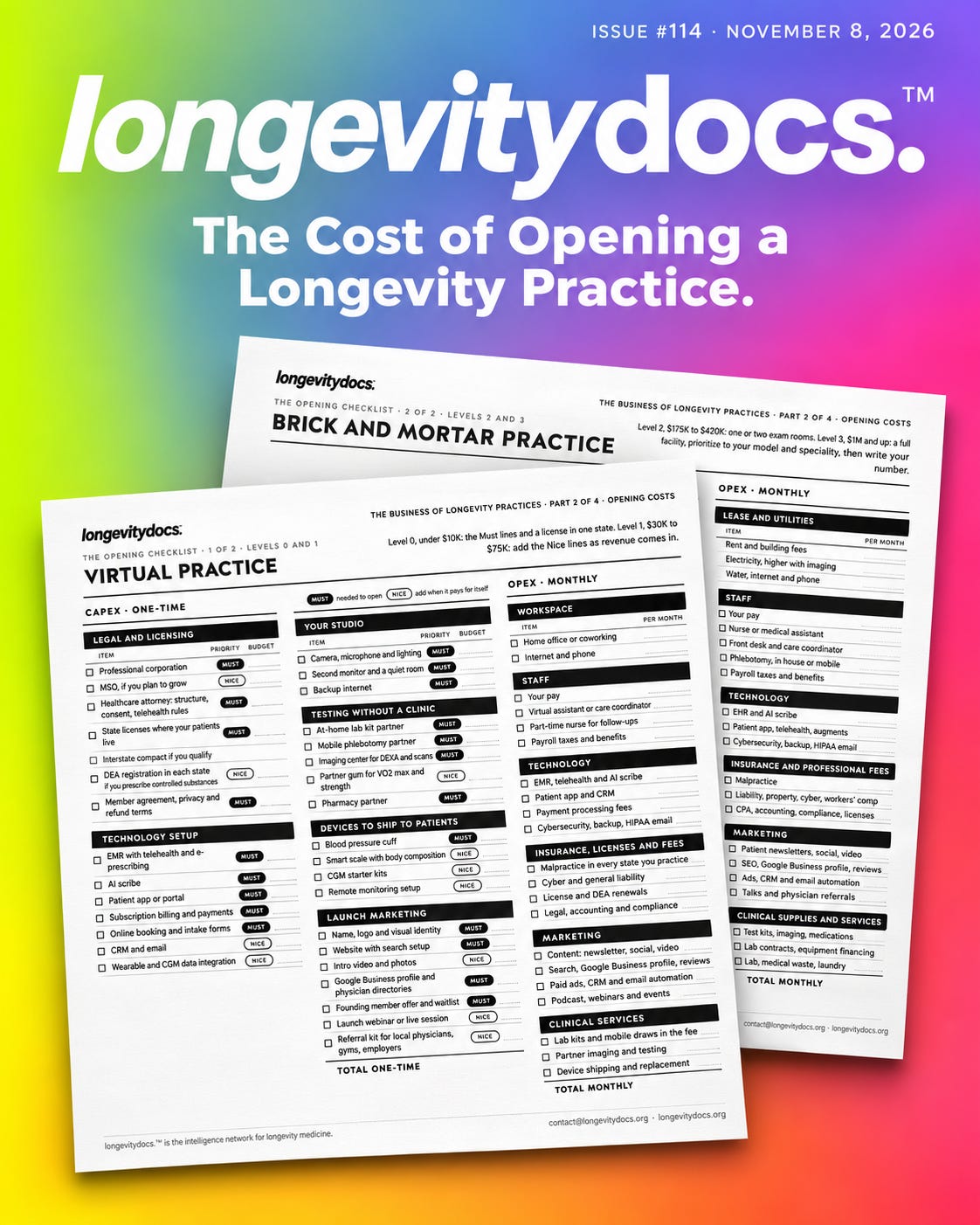
Before you sign anything, go through the opening checklist. Two pages, one for a virtual practice and one for a brick and mortar practice, with every line to budget on each: one-time costs on the left, monthly costs on the right, each marked must-have or nice-to-have.

Outside the US. Rent, build-out and equipment prices vary more by country than anything else in this story. Run the same levels with local quotes. In many markets, a hospitality or private hospital partner is the fastest way to an in-person room.
Planning your opening? Club members have already done it, and can tell you what they would not buy again. Apply to the Club →
Next Sunday, part 3: how to equip a longevity practice, and what Humanaut, Atria, Biograph and Neko put on site. Part 4, the following week: who to hire first.

NEW ON THE PLATFORM · COURSES
Introducing Courses, starting with Skin, Bone & Muscle
A replay is something you watch once. A course is something you finish. Starting this week, our Masterminds become Courses on longevitydocs.ai, and the first one is the Skin, Bone & Muscle Mastermind we recorded in New York on October 24.
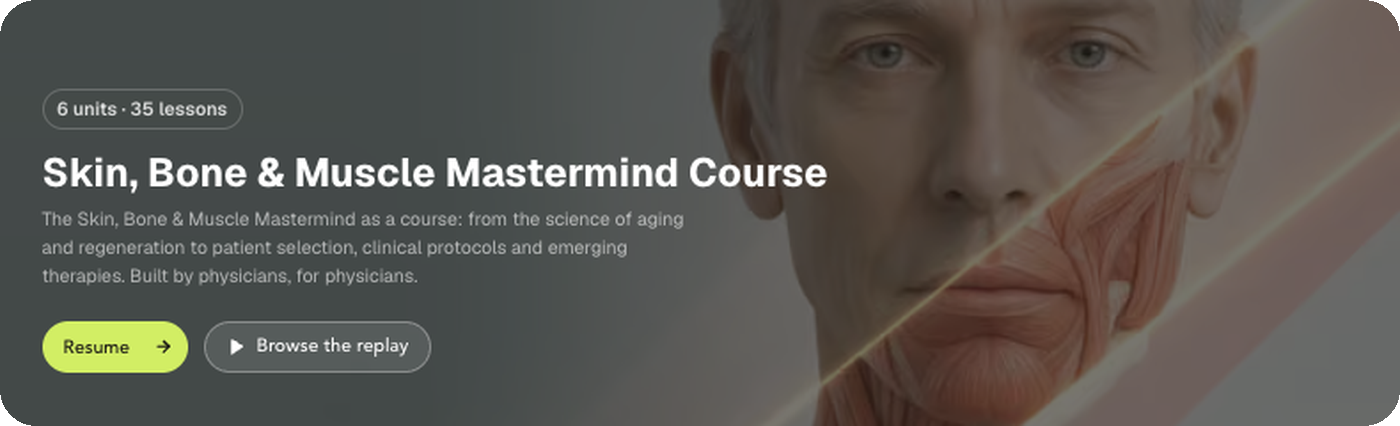
6 units, 35 lessons. From the science of aging and regeneration to patient selection, clinical protocols and emerging therapies. Unit 3 alone covers biostimulators, polynucleotides and energy devices: CaHA and PLLA, PDRN and the GLP-1 face, collagen banking, and the device parameters that drive results.
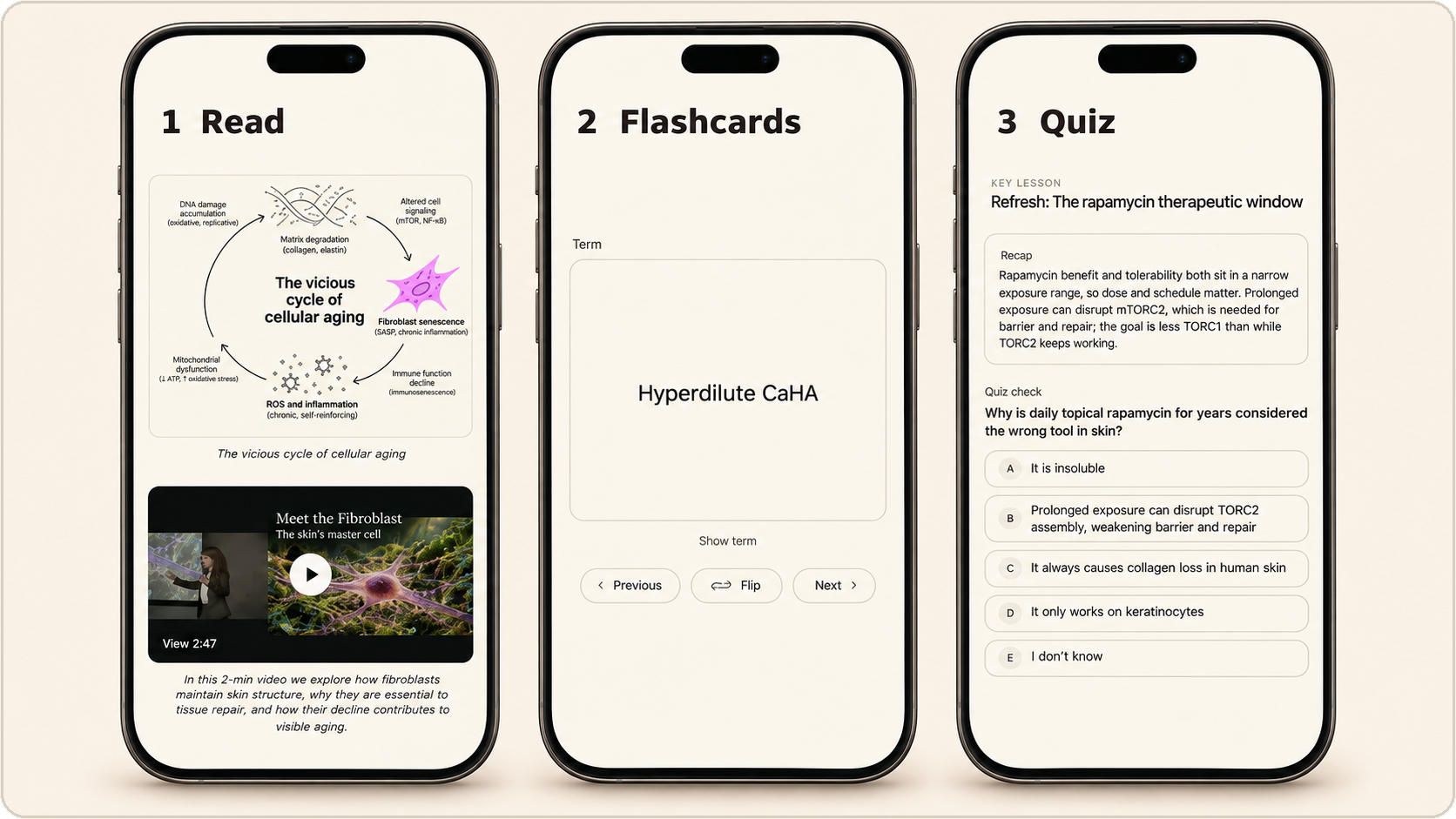
Read, flashcards, quiz. Each lesson pairs the talk with diagrams and short clips cut from the stage, like Dr. Kay Durairaj on why the fibroblast’s environment, more than age, drives its decline. Flashcards lock in the terms. Each unit opens with a refresher on the last one and closes with a unit test.
Faculty. Dr. Doris Day, Dr. Saranya Wyles, Dr. Kay Durairaj, Dr. Amanda Hill, Dr. Naana Boakye, Dr. Neely Khan, Dr. Dan Belkin, Dr. Elizabeth Yurth and Dr. Catherine Johnson, with James Peyer of Cambrian Bio and Morley Willoughby of L’Oréal Advanced Research.
Who gets it. Included for everyone who attended the Mastermind, every Club member and every Certified Longevity Doctor. Everyone else can get it on demand.

RESEARCH · BIOLOGY OF AGING
Vadim Gladyshev publishes Simply Aging, a framework for aging biology
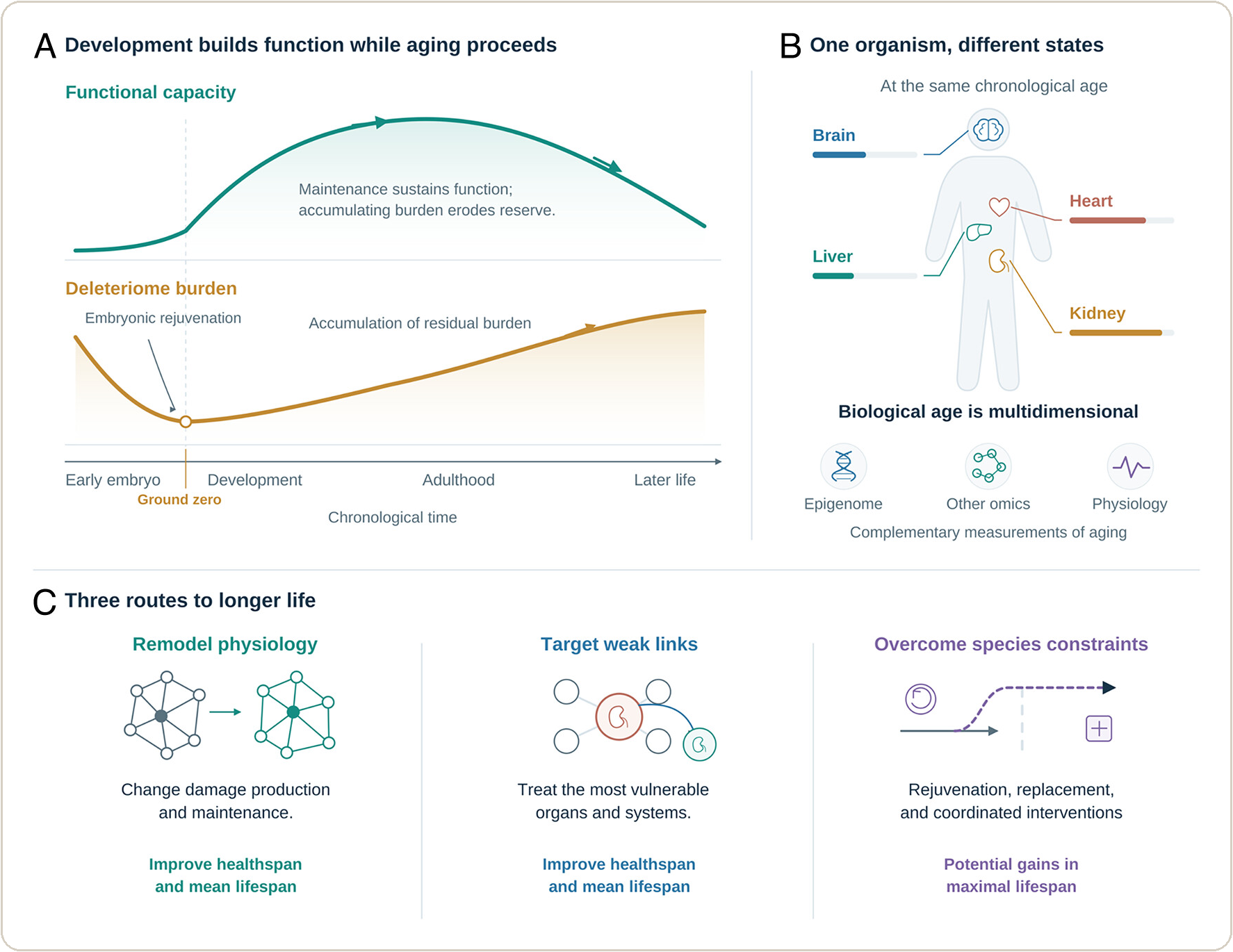
In a PNAS perspective, Gladyshev argues that aging is the steady accumulation of damage he calls the deleteriome. Each clock captures one projection of it, and can stop being a good measure once it becomes a target.
RESEARCH · CARDIOVASCULAR
Rosuvastatin plus ezetimibe shrank coronary plaque more than atorvastatin in RCT
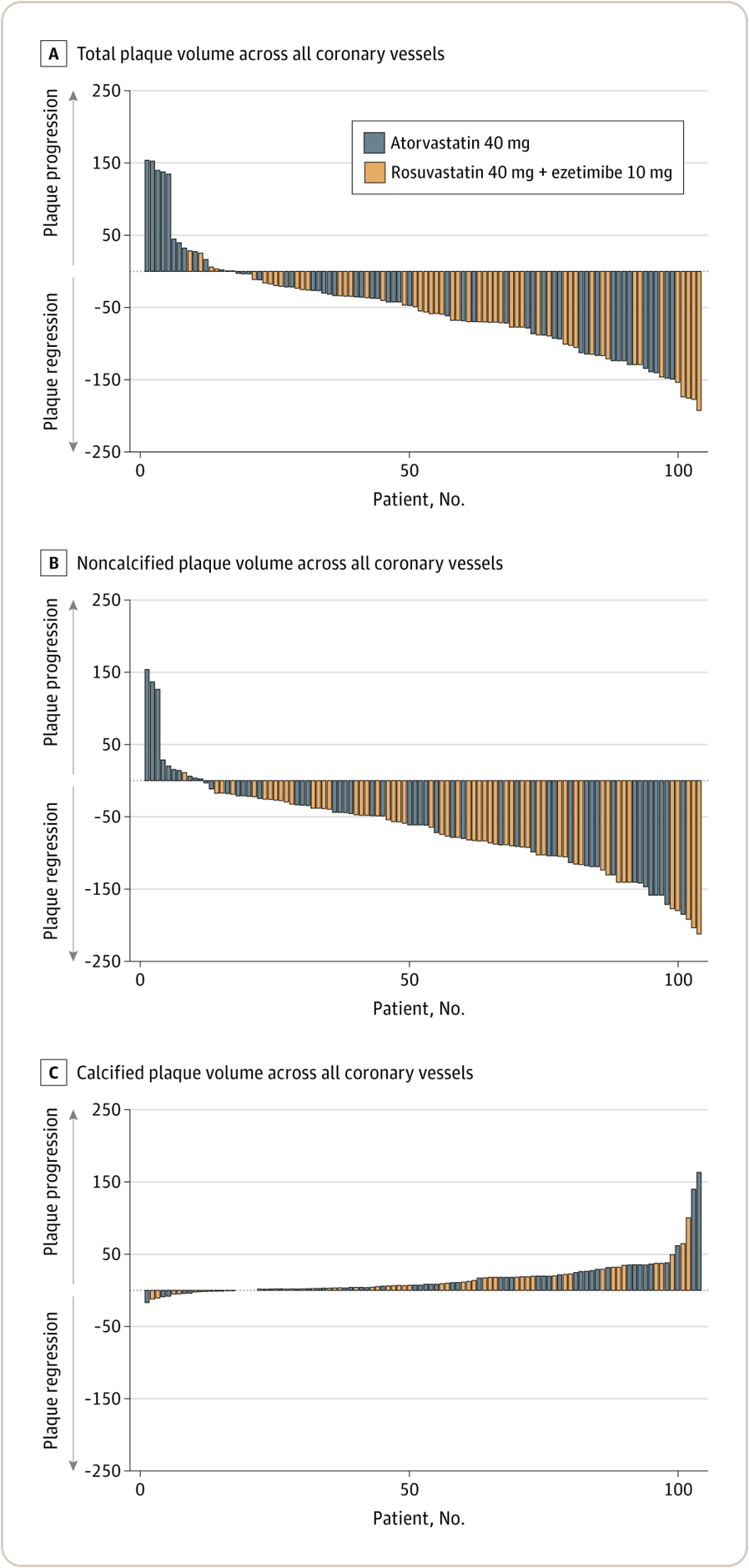
Rosuvastatin plus ezetimibe took LDL to about 42 mg/dL and shrank coronary plaque 21% in 18 months, against 14% with atorvastatin, in 104 patients (JAMA Cardiology).
RESEARCH · GENETICS
Largest Alzheimer’s genetics study finds 48 new risk loci
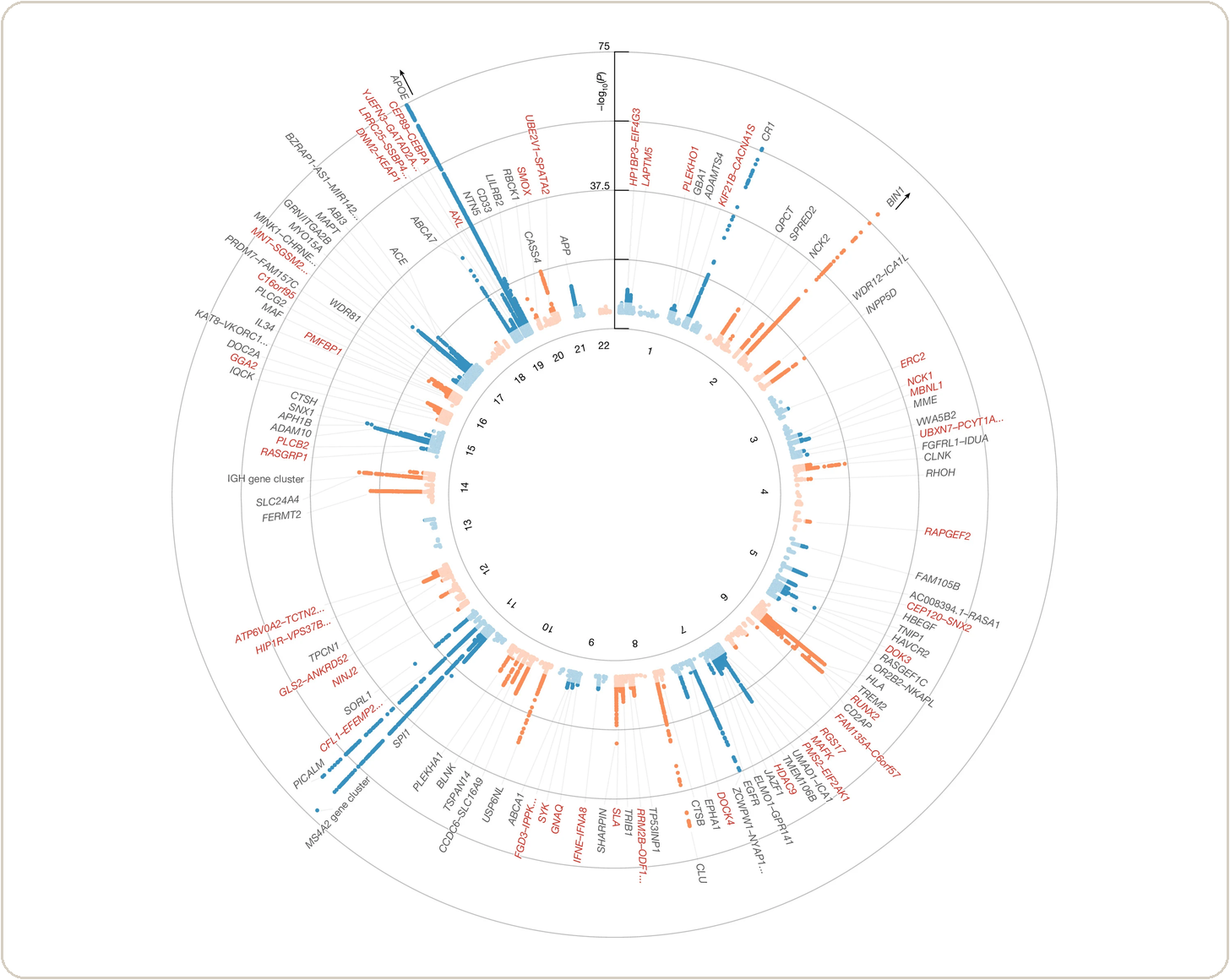
A Nature study of 2.8 million people found 127 risk loci, 48 of them new, pointing to microglia beyond amyloid. About 91% of the sample was of European ancestry.
RESEARCH · IMAGING
AI-measured ejection fraction edges physicians in predicting death on cardiac MRI
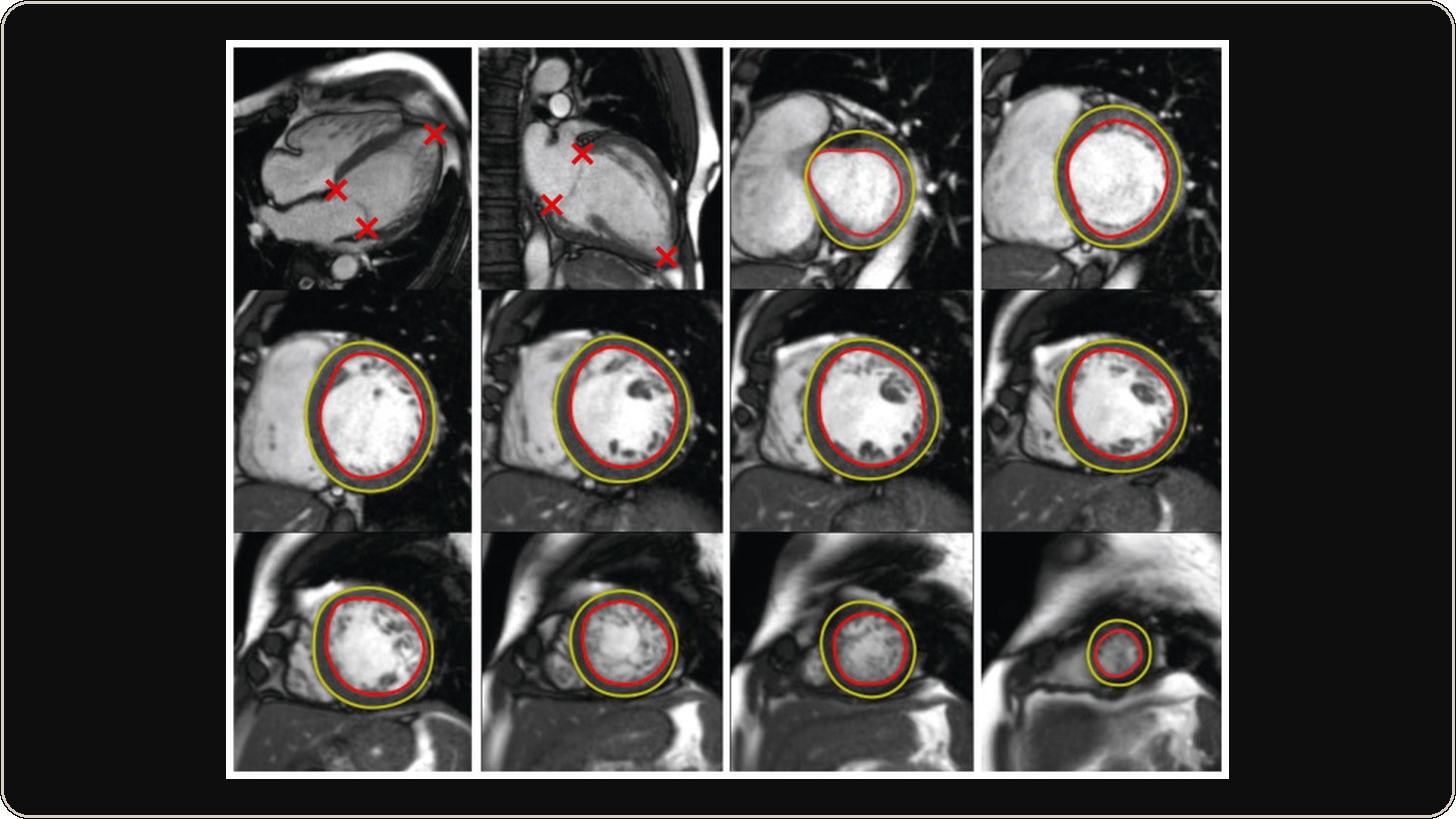
In 27,382 patients, AI-measured ejection fraction predicted death slightly better than physicians’ reads (The Lancet Digital Health). The software maker’s chief executive co-authored the study.
RESEARCH · INFLAMMATION
Oral NLRP3 inhibitor ruvonoflast cut hsCRP 82% in 28-day phase 1b
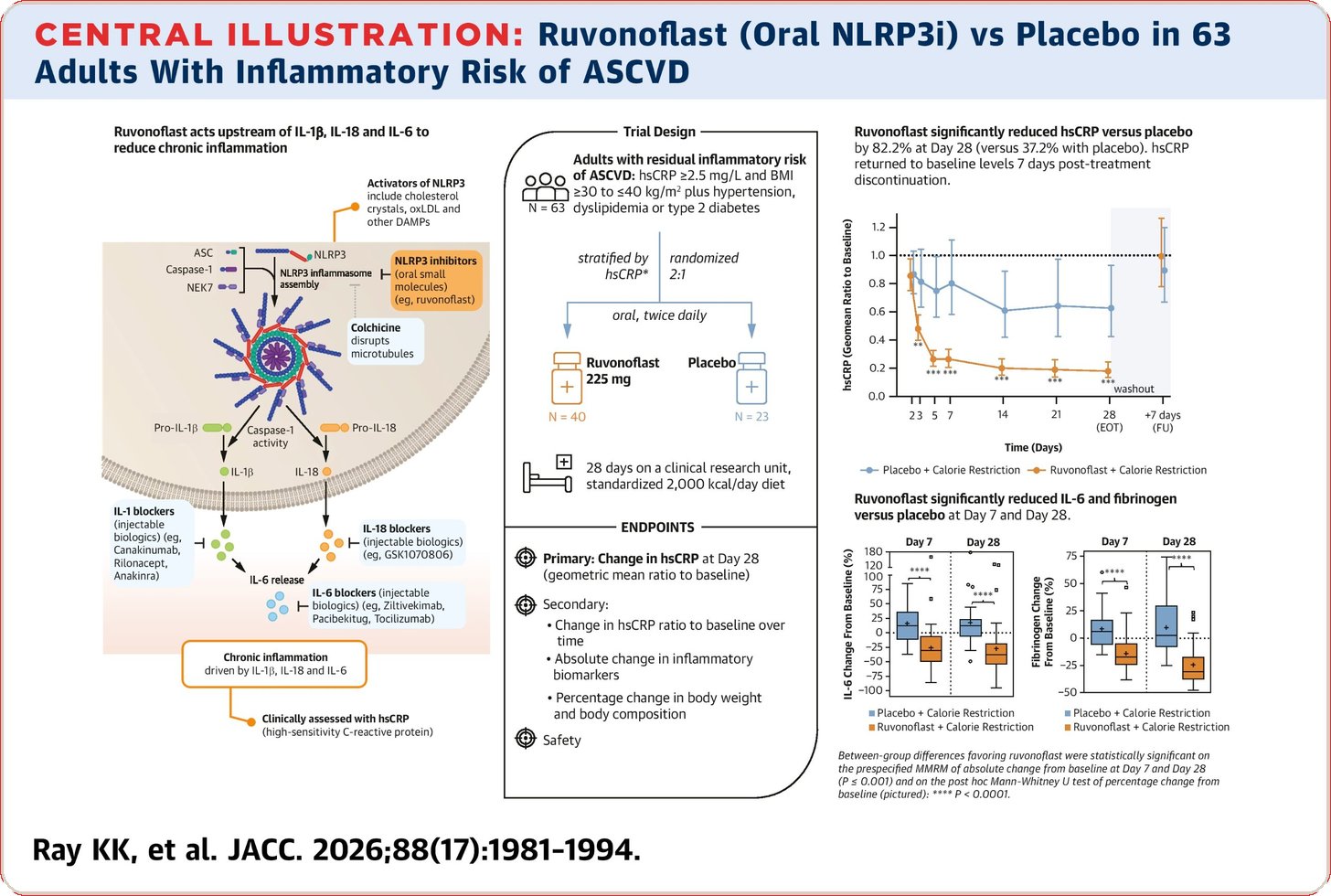
An oral NLRP3 inhibitor cut hsCRP 82% in 28 days, against 37% on placebo (JACC). Inflammation returned within a week of stopping, and no outcomes were measured.

SCHOOL
Inflammaging: the inflammatory age clock
From the Certified Longevity Doctor program. Dr. David Furman, Buck Institute and the Stanford 1000 Immunomes Project, in 3 minutes.
Age-related inflammation is a different monster. The acute markers, IL-6, TNF-alpha and CRP, miss it.
hsCRP is the wrong place to look. It predicts cardiovascular disease with an AUC of about 0.6, “a little bit better than random.”
A clock built with AI. A deep neural network on proteomic data predicts multimorbidity, frailty seven years before it happens, cardiovascular events and mortality.
The full lecture is one of 50 units in the program.
LEXICON
NMN

Nicotinamide mononucleotide (NMN) is a precursor of NAD+, a coenzyme essential to energy metabolism whose levels fall with age. With nicotinamide riboside (NR), it is one of the two NAD+ intermediates studied most for therapeutic use. It was the Lexicon’s most-read concept this week.
NMN raises NAD+ levels, but most of the evidence for its effects comes from cell and animal models. Human trials remain small and short, so dosing, long-term safety and clinical benefit are still open questions. This week its sister precursor, NR, failed to slow early Parkinson’s in a 410-patient phase 3 trial in JAMA.
The concept page also collects where our faculty disagree, from NAD+ precursors as part of a brain health strategy to a Cannes Summit panel that pushed back on NAD infusions.

BUZZ IN THE CHAT
APOE4 in a fit 53-year-old: what else can you do?
A member presented a 53-year-old woman who carries APOE ε4. She is lean and strong, does not smoke and trains five days a week. Is there anything to add beyond lifestyle, and should anti-amyloid drugs such as lecanemab and donanemab be part of the conversation?
The first answer was to measure before acting.
“You need to be doing ptau, amyloid, NfL, NeuroQuant and neurocognitive testing to see where they are. Are they heterozygous or homozygous? A lot depends on labs and how much they want to do.” (a member)
Lipids came next. One member preferred ezetimibe to a statin, which drew a question from another: is the concern that statins harden plaque? A third set a target and an imaging plan.
“Get a coronary calcium score and try to keep apoB below 70 at least. They tend to form atherosclerotic plaques easily. If the patient is Asian, I would go for a CTA instead to look for soft plaques.” (another member)
The most detailed exchange was on omega-3. APOE4 carriers lose blood-brain barrier tight junctions early, which may explain why standard fish oil often fails to raise brain omega-3 levels in trials. One member argued that LPC-bound DHA and EPA, which cross through the MFSD2A transporter, may be the only form that reaches the brain in this genotype. Another asked whether high doses raise atrial fibrillation risk in patients with coronary disease, and got a dosing rule in reply.
“I order an omega-3 test, which usually costs $25 out of pocket. For someone with a stent who is already on blood thinners, I aim to keep EPA and DHA below 1 g. For others, I recommend at least 2 g, and I adjust based on their levels.” (the same member)
Other suggestions included restricting saturated fat, protecting sleep, high-dose creatine (the dose was debated), strategy games such as chess, and broader genetic testing of vascular and inflammatory pathways. More experimental options also came up, from rapamycin and plasma exchange to hyperbaric oxygen and red light therapy, with the caveat that the choice depends on labs and the patient’s goals. Nobody took up the anti-amyloid question in the thread.
Apply for membership (physicians only)
CLUB MEMBER OF THE WEEK
Dr. Robert Todd Hurst, Phoenix, Arizona

Preventive cardiologist. 20 years at Mayo Clinic before opening his own practice.
HealthspanMD. Founded in Phoenix in 2023 with Dr. Lisa Hurst, an internist who also spent 25 years at Mayo Clinic.
The focus: prevent, treat and often reverse heart disease, with advanced diagnostics and early detection.
The team: physicians, physical therapists, health coaches and nutrition experts.
On air: he hosts The Healthspan Podcast.
“I knew where the gaps were, and I felt compelled to do my part to fix them.”
CALENDAR
longevitydocs™ Events
Rooms. Thirty-minute live conversations with a physician: audio only, open floor, on longevitydocs.ai.

Nov 11 · Dr. Jessica Shepherd
Menopause, bone and muscle: HRT and strength as longevity tools. 12 PM ET. Join
Nov 18 · Dr. Abid Husain
What I stopped doing when I left hospital cardiology. 12 PM ET. Join
Dec 2 · Dr. Hillary Lin
Start 2027 with the top tech and AI for your clinic. 12 PM ET. Join
Dec 9 · Dr. Roohi Jeelani
Your ovaries are your early warning system. 12 PM ET. Join
Jan 6, 2027 · Dr. Farhan Tahir
Longevity protocols for inflammation and autoimmunity. 12 PM ET. Join
In person. Dinners, our next Mastermind, the Retreat and the Summit.

Dec 11 · Tables: Las Vegas
Private dinner for physicians on starting and growing a concierge longevity practice. Apply
Feb 6, 2027 · Brain Longevity Mastermind
New York. A one-day, physicians-only conference, with a welcome reception on Feb 5. Get tickets
Mar 4 to 7, 2027 · Caribbean Retreat
St. Maarten, for Club members. Learn more
Jun 9 to 11, 2027 · longevitydocs™ Summit
Cannes. Get tickets
Missed one? Replays of the Peptides, Hormones and AI & Tech Masterminds are on demand. Watch

TECHNOLOGY · AI
Zocdoc lets registered AI agents book appointments for patients

AI assistants such as Gemini can now search Zocdoc’s 200,000 providers and book straight into practice calendars. Your listing is what the agent reads.
TECHNOLOGY · AI
Ro launches Robin, an AI health agent built on patients’ records

Ro’s agent knows each patient’s medications, labs and notes, and routes issues to the care team. No accuracy or safety data yet.
BUSINESS · DATA
Ro launches a research lab built on its telehealth patient data

Ro will mine its telehealth patient data for questions obesity trials miss, posting findings before peer review. Read them as hypotheses.
TECHNOLOGY · AI
athenahealth lets patients connect their health records to Claude
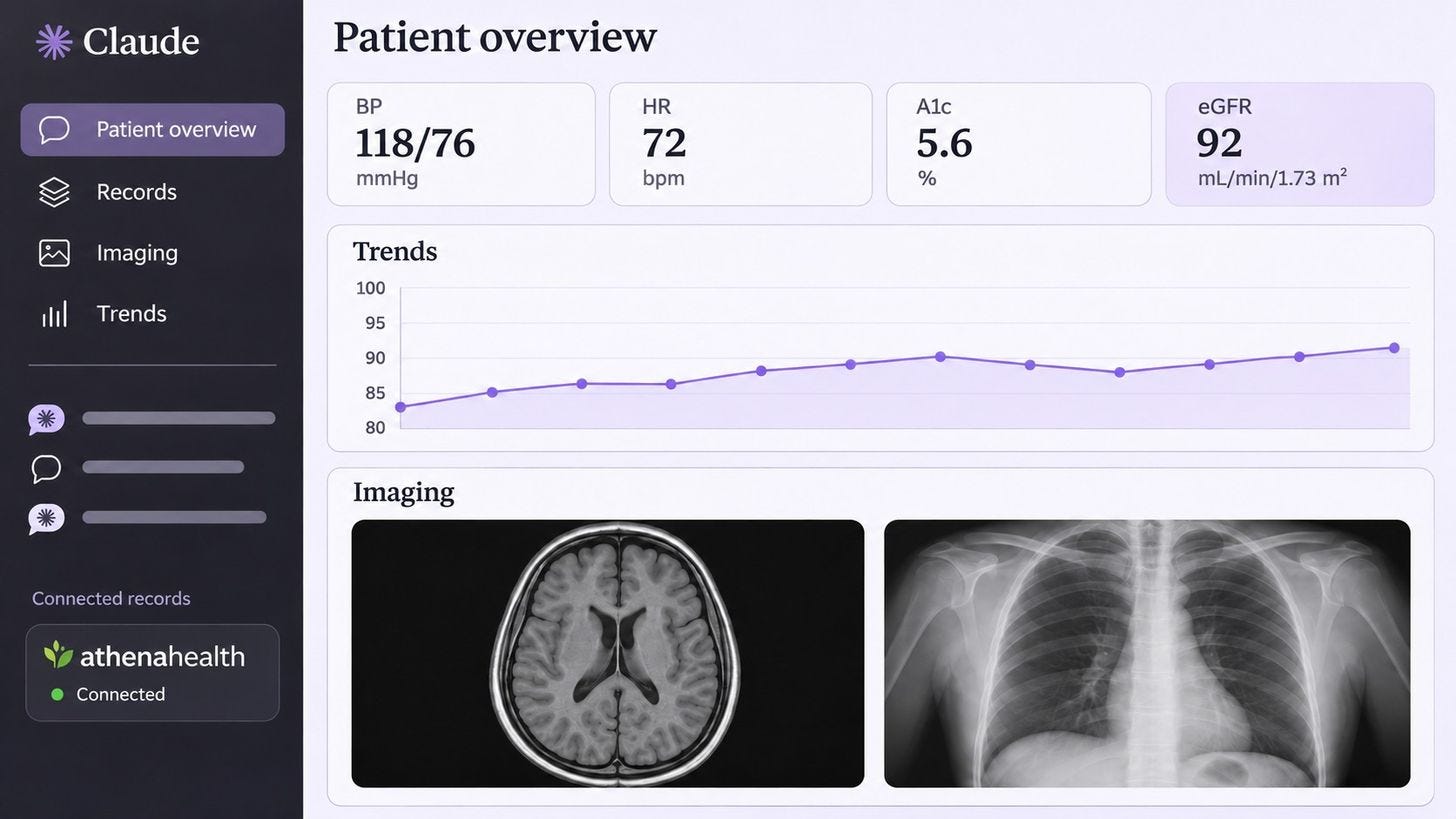
Patients can now pull their labs and notes into Claude and ask questions. No accuracy data yet, and HIPAA protections generally end once records leave the chart.
THERAPEUTICS · NEUROLOGY
Japan performs first post-approval transplant of iPSC-derived dopamine cells for Parkinson’s
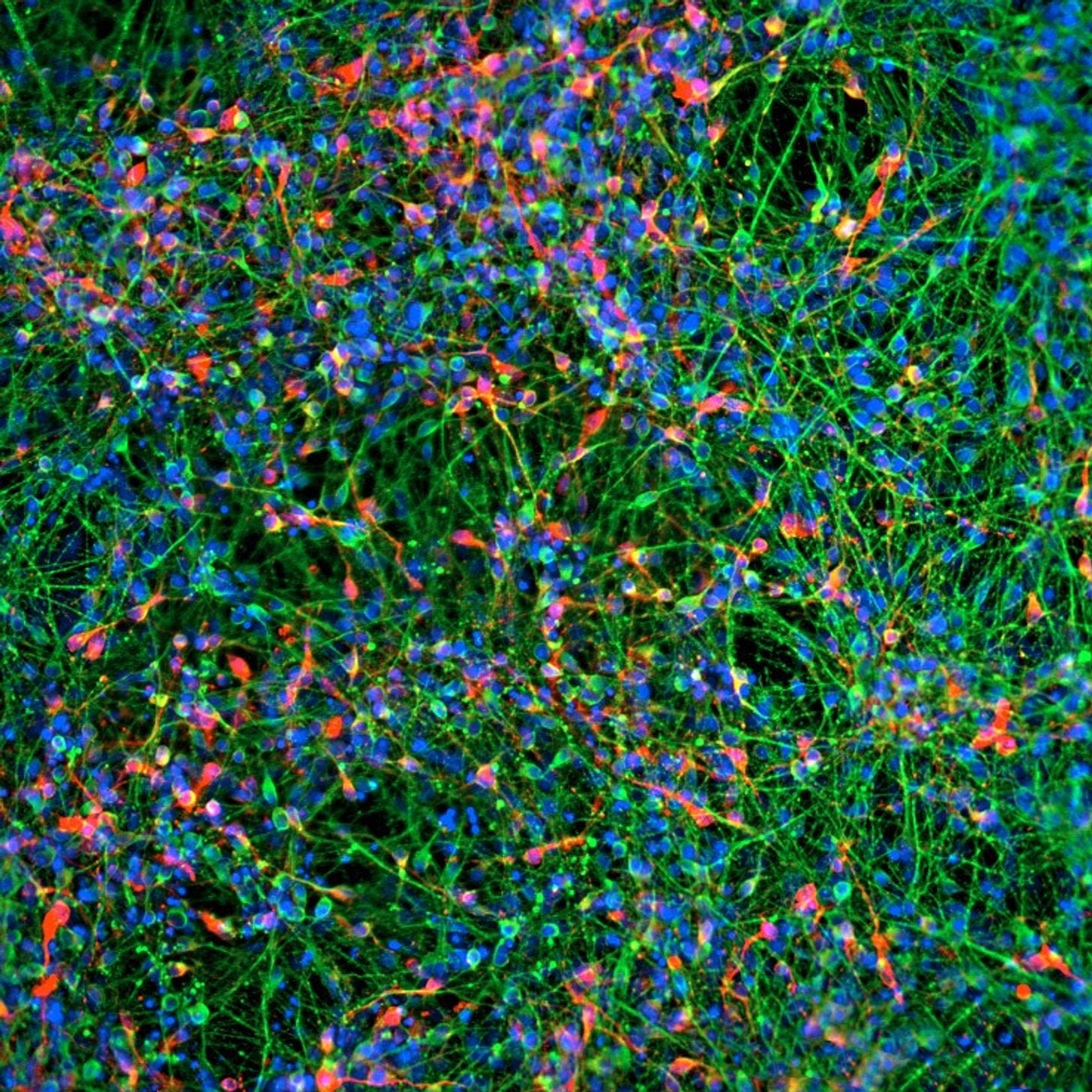
Kyoto performed the first post-approval transplant of Amchepry, approved on six patients without a control group, at about ¥55 million a treatment.
BUSINESS · CLINICS
Humanaut Health plans six new stem cell clinics, including Mexico City

The Austin stem cell company plans six new sites, including Mexico City. The FDA has approved stem cell products only for blood disorders, so expect patient questions.
POLICY · PUBLIC HEALTH
New York’s health department publishes a lifestyle medicine guide

New York’s health department published six pillars of lifestyle medicine with the American College of Lifestyle Medicine. Patients may arrive using your vocabulary.
BUSINESS · DRUG DEVELOPMENT
Anthropic buys one-person biotech Mithril Medicine to run drug programs

Anthropic bought a one-person biotech that used Claude to run experiments across 11 labs on two rare muscular dystrophies. Human trials could start in late 2028.

Every doctor is a longevity doctor
longevitydocs™ is the intelligence network for longevity medicine. 1,000+ physicians in 68 countries.
Editorial Disclaimer: