


Hey Doc,
On Friday morning, Moana sent me a photo of a puppy. My son fell in love on the spot. We decided to adopt her and drove 10 hours to bring her home. This morning, she woke up in her new home for the first time. What a feeling.
Writing about AI doctors this week, I kept wondering: would we ever accept an AI dog?
As always, happy Sunday evening!
Dr. David Luu, Founder, longevitydocs™
Meet Blue, our frenchie


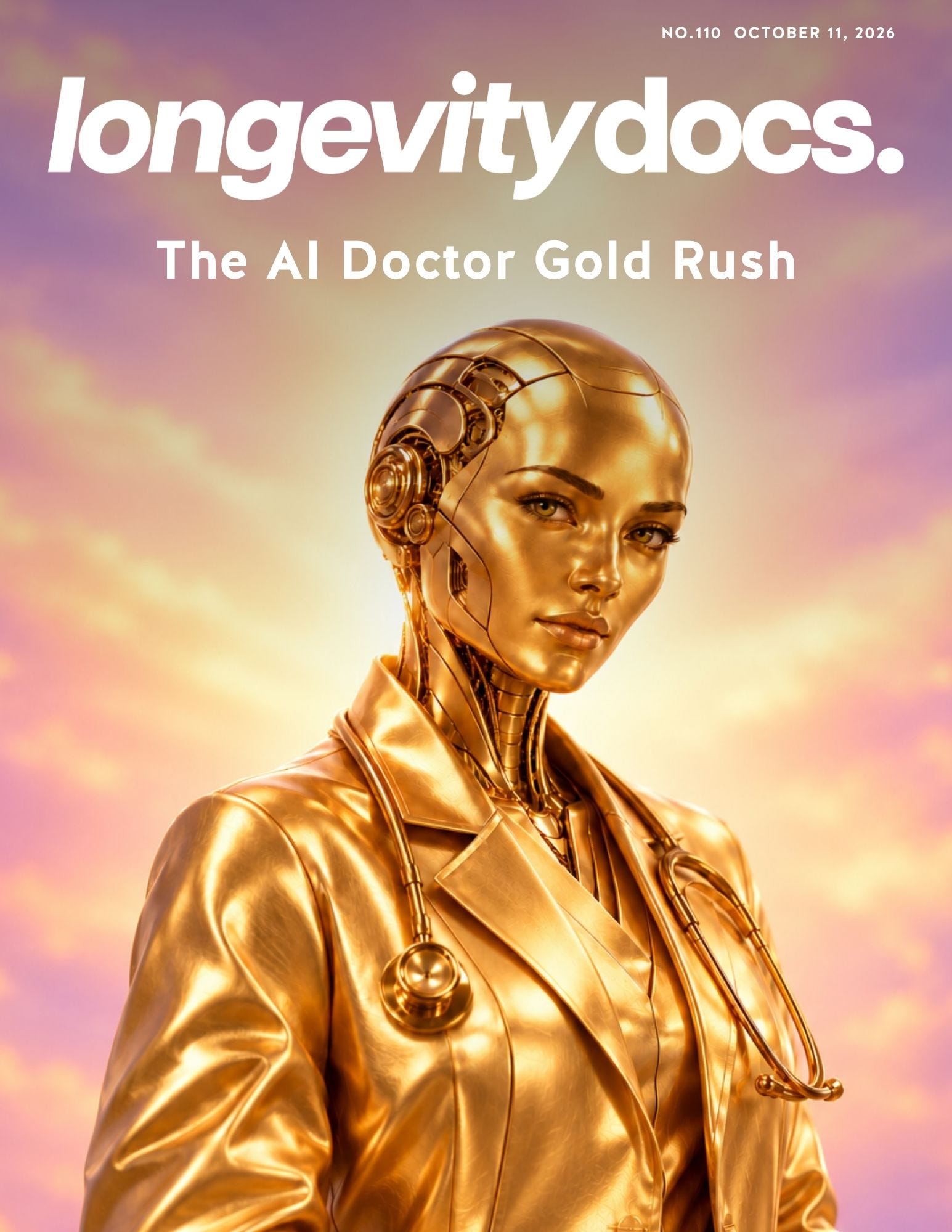
The AI Doctor Gold Rush
Some of the best-known names in tech are betting that AI will take over much of what physicians do. The race to build AI doctors is on. Physicians should build AI that makes medicine better.
The prediction
In 2012, Vinod Khosla predicted machines would replace about 80% of what doctors do. In August, in JAMA, he and his son Neal Khosla, CEO of AI primary care company Curai Health, argued with bioethicist Zeke Emanuel that autonomous AI will likely outperform physicians, including physicians using AI, at core tasks from diagnosis to treatment, and could be ready for some, maybe many, workflows by 2030. In 2025, Elon Musk predicted robots would surpass the best human surgeons within five years.
We’ve heard this before. In 2016, Geoffrey Hinton said we should stop training radiologists. A decade later, demand for radiologists remains strong, and their average pay reached $571,000 in 2025. AI didn’t eliminate the need for radiologists.
Patients moved first
We went from Dr. Google to Dr. ChatGPT. Many patients now come in having already asked a chatbot about their symptoms. OpenAI says more than 200 million people ask ChatGPT a health question every week. The AI doctor companies didn’t create that habit. They’re building a business on it.
The rush
In January, I wrote that the AI doctor had been born. Nine months later, it’s raising Series B rounds.
Medvi was built in two months with $20,000 and more than a dozen AI tools. It reported $401 million in sales in 2025 and projects $1.8 billion in 2026, run by two people: founder Matthew Gallagher and his brother. Prescribing, pharmacy and shipping are outsourced to partners. Its support chatbot sometimes invented drug prices, and in February the FDA sent it a warning letter over how it markets compounded GLP-1s.
Nolla Health received regulatory relief under Utah’s AI sandbox to let its AI go from a face scan to a prescription for adult acne, choosing from eight topical drugs, with physician review stepping down to a weekly sample over time. Next on its roadmap: women’s health and cardiometabolic care.
Doctronic can renew prescriptions for 190 medications in a Utah pilot, with malpractice insurance that covers its AI.
General Medicine, from the PillPack founders, raised $120 million in October to build an online store for healthcare.
Function Health lets members connect their lab results to ChatGPT and Claude, has announced a connection to Meta’s Muse, and is building its own medical AI. I called this the biomarker gold rush last year.
These are different businesses. But they are moving in the same direction: more of medicine delivered through a platform, with less physician involvement.
We’ve seen this movie
I’ve watched this pattern four times in longevity medicine: clinics, testing, hormones, peptides. Each time there was real demand, fast capital, marketing ahead of the evidence, and standards that came later.
AI doctors are the next gold rush. The difference is scale. A bad clinic harms its own patients. A flawed algorithm can repeat the same error with every patient it sees, and in some cases it now writes the prescription.
The strongest argument for autonomous AI is access. Patients who cannot get care need better options. But access alone does not tell us whether a system is safe.
Keep reading on longevitydocs™ News: what the first real-patient study of an AI doctor showed, where I draw the line between an AI doctor and a doctor’s AI, and six moves I’d make in your practice now.

GLP-1s and aging clocks: what Novo’s 10,000-patient data does and doesn’t mean
Illustration: longevitydocs™ News
Across five Novo outcome trials and 10,052 people, semaglutide users came out 2 to 4 years younger than placebo on a proteomic heart-age clock, with smaller drops on kidney, brain and other organ clocks. It is a preprint, Novo’s own analysis, and a surrogate, not proof of slower aging. Patients will quote the headline before the paper reaches a journal.
GIMAP6 loss caused fatal atherosclerosis in mice with normal cholesterol
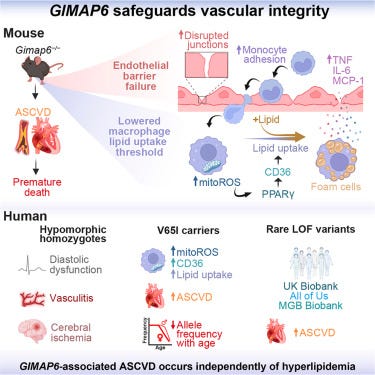
Mice lacking the immune gene GIMAP6 developed leaky arteries, plaque and fatal heart attacks with normal LDL. In more than 700,000 biobank participants, damaging variants tracked with atherosclerosis, not cholesterol, and one variant, V65I, is more common in people of African ancestry (Cell). Mostly mouse data, but a mechanism for early disease in patients whose lipids never looked alarming.
Early p-tau217 results sharpened memory-clinic diagnoses in an RCT
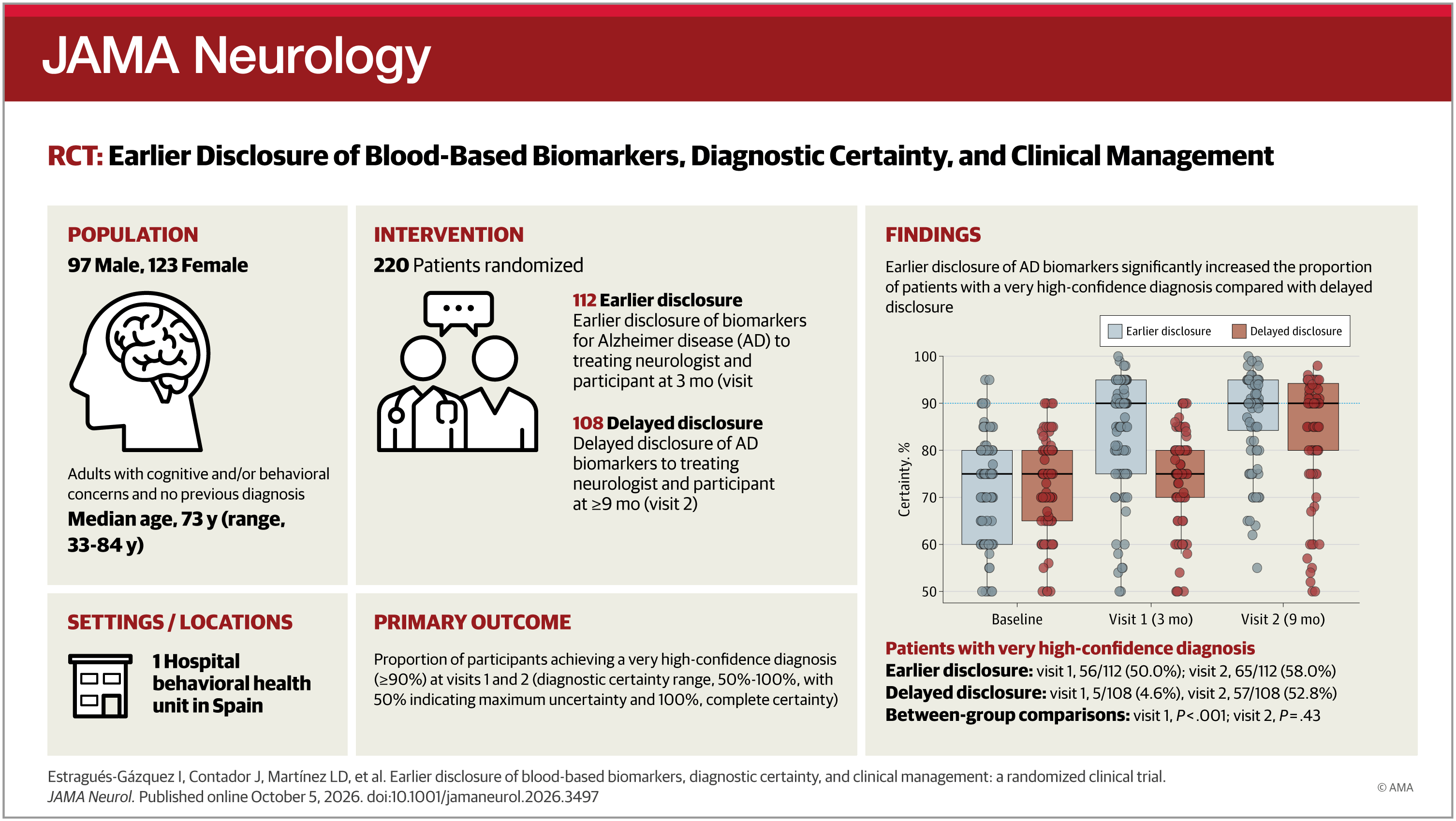
In the PLASMAR trial (n=220, JAMA Neurology), memory-clinic patients who got plasma p-tau217 and NfL results at 3 months instead of 9 were far more likely to get a high-confidence diagnosis: 50.0% vs 4.6%. Fewer repeat neuropsychological tests, earlier treatment, no rise in anxiety. One center and process outcomes only, but the case for ordering the blood test at the first visit.

Certification
How Can I Use AI in My Practice?
Part of the Certified Longevity Doctor program.
AI can reduce your administrative burden, sharpen clinical reasoning, and expand patient capacity, provided you keep your own judgment at the center.
Where AI fits in a practice
1. Documentation (highest immediate ROI)
AI scribes such as Nabla (real-time transcription and SOAP notes), Freed (strong EHR integration), and Abridge (patient-facing summaries) draft notes during the visit
Workflow: the patient consents, AI drafts the note, and you review and edit afterward.
In the course case scenario, documentation dropped from 20 to 8 minutes per patient
2. Clinical decision support
AI integrates multi-omics, wearable data, and clinical records into a single picture
It detects subtle aging signals, drafts personalized intervention plans, and can refine them against response data
In the case scenario, complex cases were analyzed about 60% faster using Glass Health
3. Patient communication
AI can draft async responses, patient education content, and meal plans. The case scenario showed responses generated about 50% faster
4. Deterministic AI for surveillance
Rule-based AI suits automated monitoring and alerting, such as biomarker thresholds
5. Custom tools via APIs
A RAG pattern lets an LLM answer from your own protocols: store them in a vector database, retrieve relevant sections, and generate a grounded response
Use cases include an AI health coach, supplement interaction checks, and note summarization.
Guardrails
Never
Accept AI treatment plans without verification.
Use AI for urgent or emergent decisions.
Rely on AI for nuanced judgment, since it cannot assess patient values or risk tolerance.
Always
Verify against current evidence.
Document your independent clinical reasoning.
Personalize outputs to the patient.
Remember that you, not the AI, are liable for care
HIPAA
Use vendors that offer BAAs, de-identify data when possible, keep audit logs of AI interactions, and keep a human review layer
Lexicon
AMPK
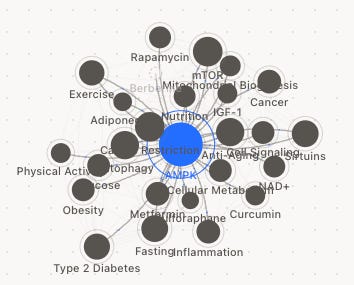
AMP-activated protein kinase (AMPK) plays a major role in regulating cellular energy balance,” activated “by an increase in AMP/ADP relative to ATP.”[1] It is “an evolutionarily conserved serine/threonine kinase that was originally identified as the key player in maintaining cellular energy homeostasis.”[2] “Homologs of AMPK are found in all eukaryotic species and serve as an ancient sensor of conditions of low cellular energy.”[3]

Buzz in the Chat
Estradiol patch frequency, formulation choices, and a complex early menopause case
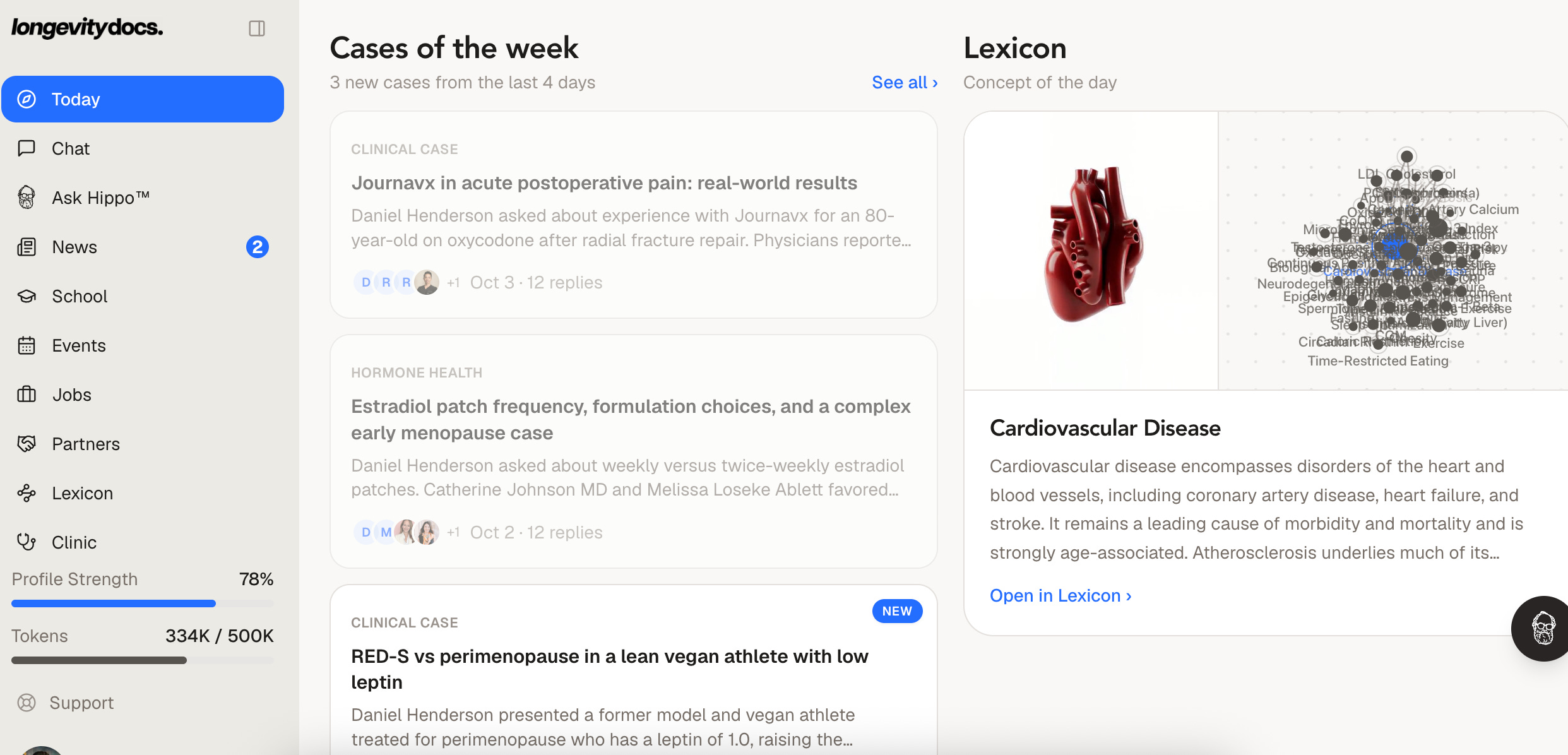
A member asked whether there is a reason to prefer the weekly estradiol patch over twice-weekly dosing. A second member said she finds twice-weekly more consistent, with fewer breakthrough symptoms. A third agreed, explaining that the patch has systemic absorption drop-off from day one to day three or four, and she uses daily estrogen mist or gel as an anchor for day-to-day symptom control on top of the patch. A fourth noted that patients dislike weekly patches because they are large and do not stay on well.
The conversation deepened when the first member presented a 43-year-old patient with FSH of 65 and undetectable estradiol, plus Hashimoto’s thyroiditis, a mother with breast cancer at 42, and elevated Lp(a) on rosuvastatin and ezetimibe. He asked whether there were zebra diagnoses to consider. One physician said that over age 40 those labs are menopausal or perimenopausal and that estradiol therapy should improve her symptoms, noting she is already appropriately on progesterone to protect the uterine lining.
Another member suggested adding DUTCH or Hormone Zoomer testing to evaluate estrogen metabolites and assess cortisol, and raised what she called an increasing trend of ovarian failure in the early-to-mid 40s post-COVID. A second physician said she has observed the same pattern and noted that women with autoimmune and auto-inflammatory susceptibility appear especially vulnerable to post-infectious hypogonadal states.
Apply for membership (physicians only)
Longevity Doctor of the Week
Dr. Charlotte Sadler - San Diego, USA
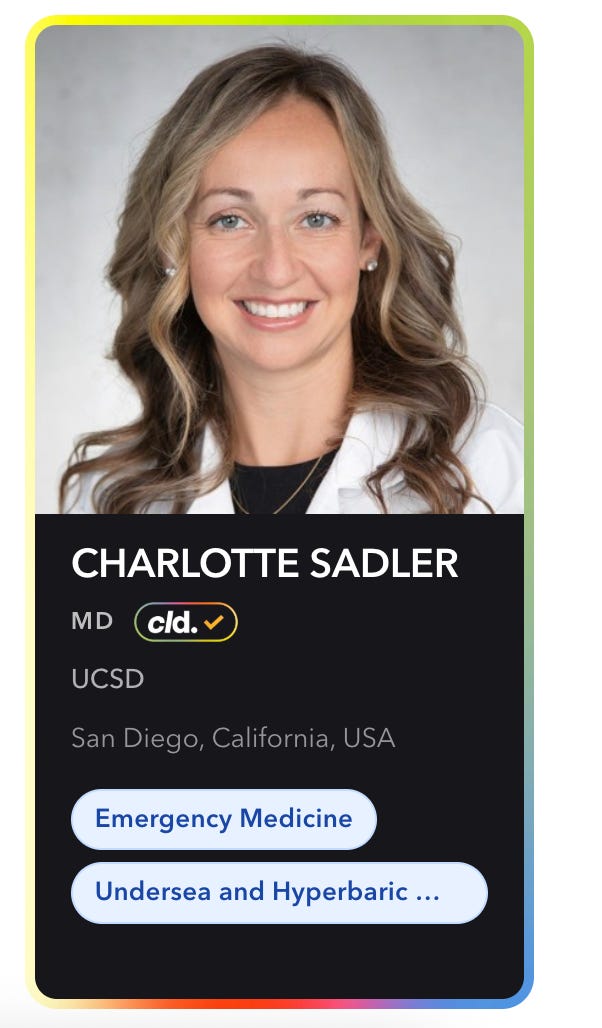
Charlotte Sadler, MD, is an Associate Professor of Emergency Medicine at UC San Diego, where she directs the Undersea and Hyperbaric Medicine Fellowship. She practices emergency, hyperbaric and critical care medicine, and has published widely on diving and hyperbaric medicine. Her interests extend to precision medicine and the science of longevity. We’re glad to have her in the longevitydocs™ network.
Calendar
Longevitydocs Events

Oct 14 · Rooms with Dr. Kay Durairaj
Online, 12 to 12:30 pm ET. Join
Oct 24 · Skin, Bone & Muscle Mastermind
New York, Convene, 101 Park Avenue. One day, physicians only: the clinical triad, new diagnostics, the GLP-1 tax and advanced protocols. From $499. Get tickets
Nov 7 · Tables: West Palm Beach
Private dinner for physicians on starting and growing a concierge longevity practice. Apply
Nov 8 · Tables: Miami
Same conversation, Miami. Apply
Nov 18 · Rooms with Dr. Abid Husain
Online, 12 to 12:30 pm ET. Join
Dec 2 · Rooms with Dr. Hillary Lin
Online, 12 to 12:30 pm ET. Join
Dec 11 · Tables: Las Vegas
Private dinner. Apply
Feb 6, 2027 · Mastermind, New York
Program and venue to be announced.
Jun 9 to 11, 2027 · longevitydocs™ Summit, Cannes
Palais des Festivals. The flagship gathering of longevity medicine. From $450. Get tickets
Where else you’ll find our physicians
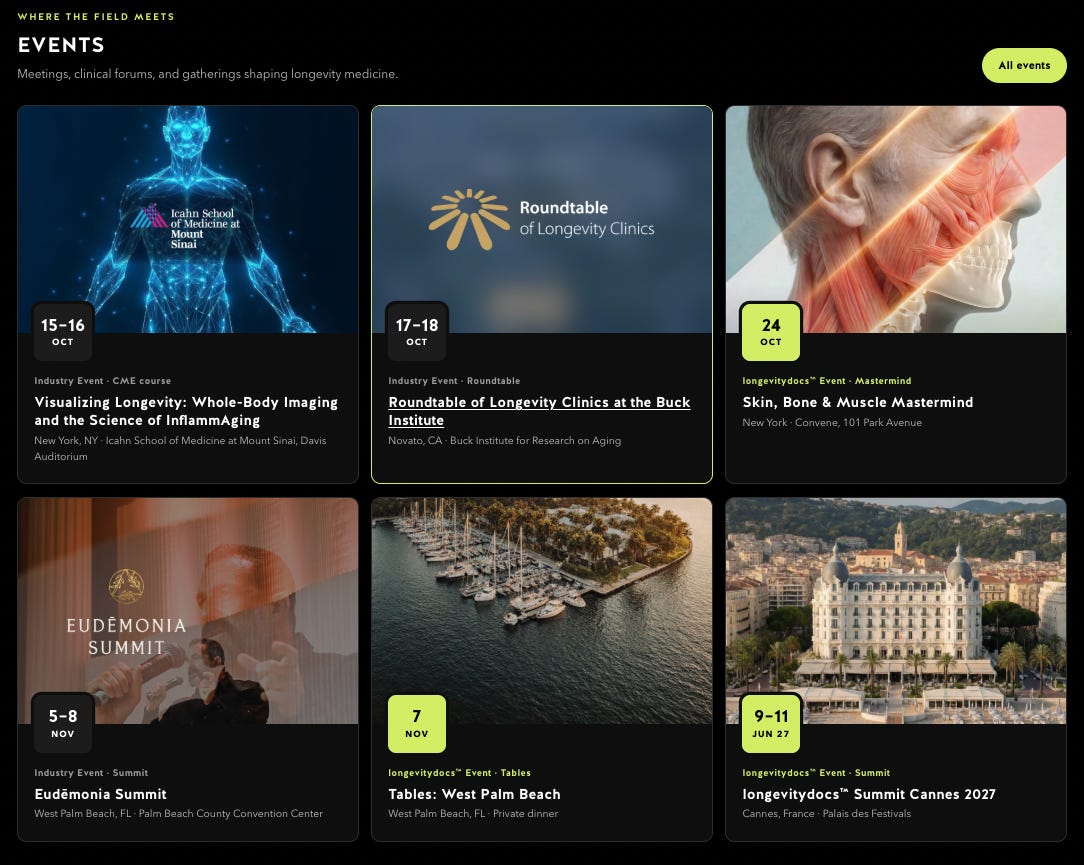
Oct 15 to 16 · Visualizing Longevity, Mount Sinai, New York. Whole-body imaging and inflammaging, directed by Bachir Taouli, Miriam Merad and Zahi Fayad. Register
Oct 17 to 18 · Roundtable of Longevity Clinics, Buck Institute, Novato, CA. Book
Nov 5 to 8 · Eudēmonia Summit, West Palm Beach. Tickets
Dec 11 to 13 · A4M Longevity Fest, The Venetian, Las Vegas. Details
Feb 19 to 21, 2027 · The Science of Skin Longevity Summit, Scottsdale. Register interest
Missed one? Replays of the Peptides, Hormones and AI & Tech Masterminds are on demand. Watch

POLICY · REGULATION & ENFORCEMENT
Maryland now requires mammogram reports to flag arterial calcification

Illustration: longevitydocs™ News
Since October 1, every mammography center in Maryland must tell patients whether breast arterial calcification is on their mammogram. In 123,762 women, severe BAC carried 2 to 3 times the risk of serious cardiovascular events. No trial yet shows that notification changes outcomes. It is free risk data already on the image, so ask for it.
TECHNOLOGY · WEARABLES & REMOTE MONITORING
FDA clears Biolinq Shine glucose sensor for over-the-counter sale
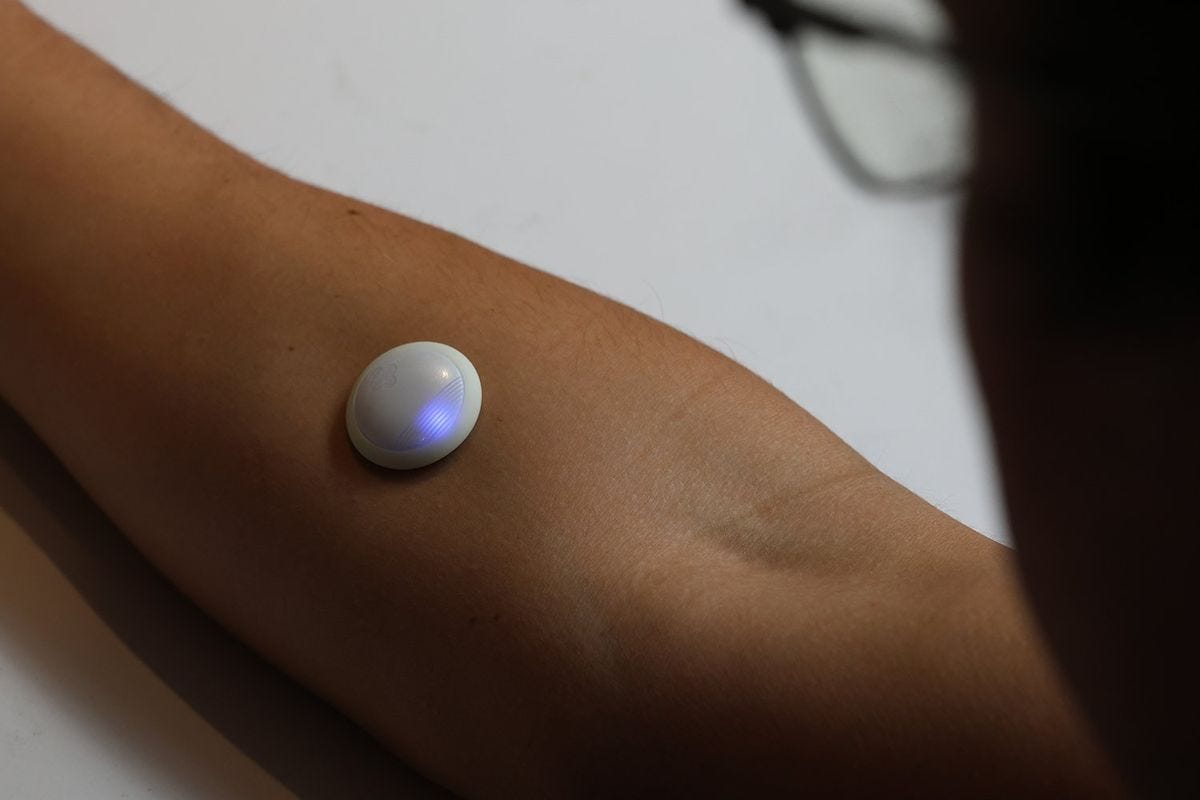
Image: Biolinq
Biolinq Shine is now cleared without a prescription for adults 22 and older who do not use insulin. The forearm sensor sits just under the skin, goes on without an insertion needle, and shows a colored light for glucose range instead of a number. Accuracy data, wear time and price are not public yet.
TECHNOLOGY · WEARABLES & REMOTE MONITORING
FDA clears a smart ring for cuffless blood pressure
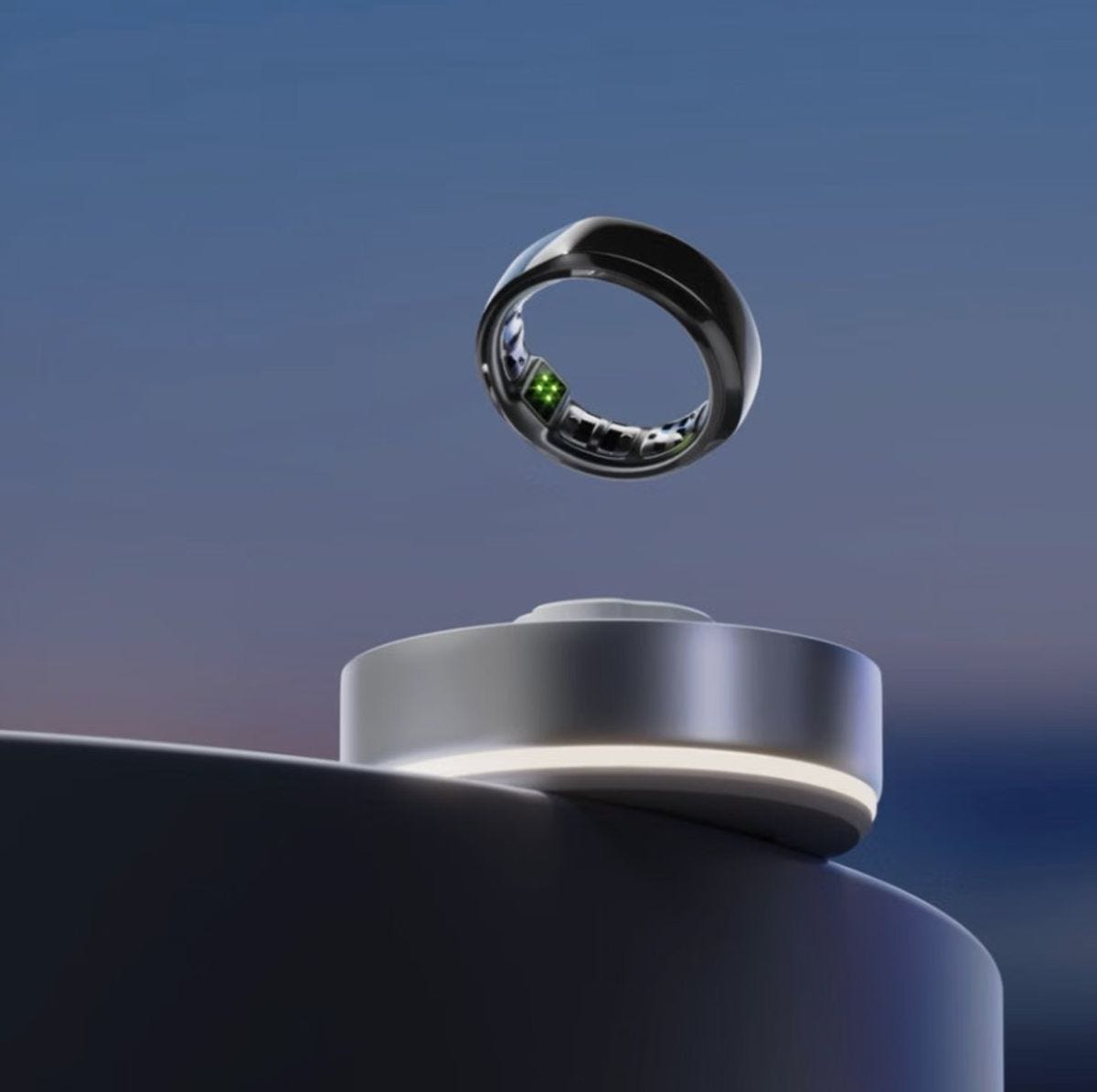
Image courtesy of Happy Health
Happy Health says its ring is FDA cleared to measure blood pressure day and night with no cuff and no calibration. The company reports a mean error under 1 mmHg against arterial lines in 85 patients, but every number so far is its own. Useful for trends; check against a validated cuff before changing treatment.
BUSINESS · DEALS & FUNDING
PillPack founder raises $120M to build a store for healthcare
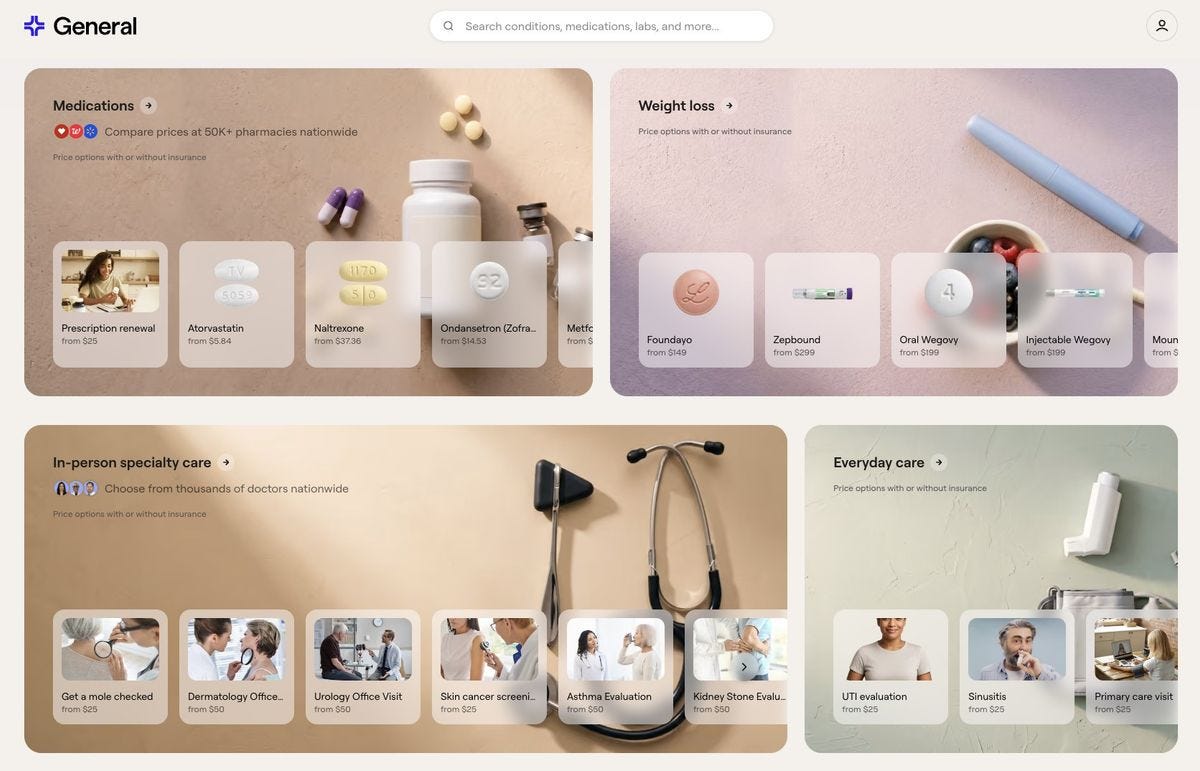
Image: General Medicine
TJ Parker, who cofounded PillPack and built Amazon Pharmacy, is now CEO of General Medicine, which raised a $120 million Series B led by Andreessen Horowitz, with Eli Lilly and Mercy Health among the investors. The pitch: more than 2,900 priced products, from labs to a $6 statin to specialist e-consults, bought like anything else online.
RESEARCH · RESEARCH TRANSLATION
Isomorphic Labs joins $1.8B push to build an AI virtual cell

Image courtesy of Isomorphic Labs
Isomorphic Labs is a founding member of the Virtual Biology Initiative, a $1.8 billion effort convened by Biohub with the Department of Energy, NIH, Google DeepMind and Meta to generate open data for an AI model of the cell. It is a funding commitment, not a result, but it shows where AI drug discovery is heading.
TECHNOLOGY · AI IN MEDICINE
Utah lets AI issue a first prescription, for acne
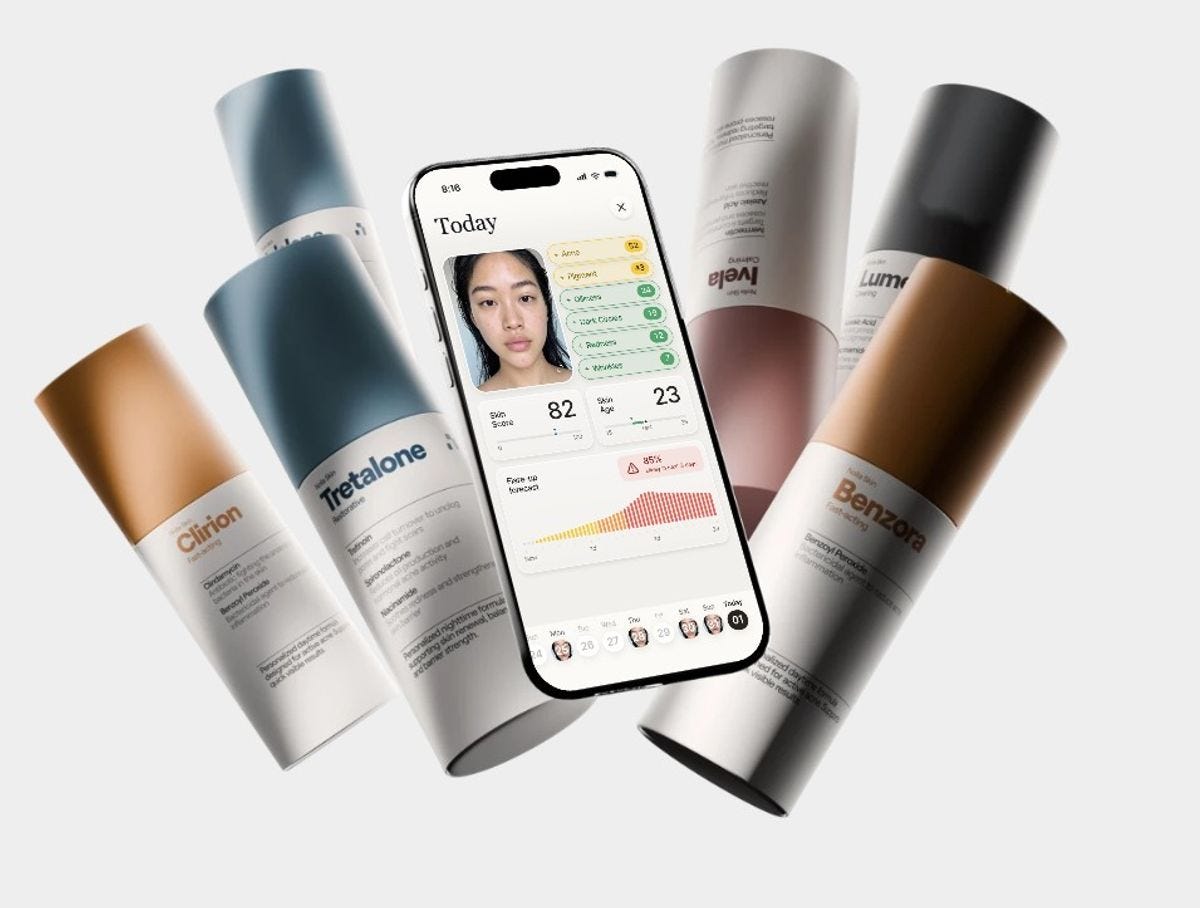
Image courtesy of Nolla Health
Under Utah’s AI regulatory sandbox, Nolla Health’s app can now diagnose acne and write a first prescription, not just a refill, for $4.99 a month. Guardrails: eight topical drugs only, adults only, physician messaging at any time. A first prescription is the core of what a physician is licensed to do, which makes this the regulatory story to watch.

Every doctor should be a longevity doctor
longevitydocs™ is the intelligence network for longevity medicine. 1,000+ physicians in 68 countries.
Editorial Disclaimer: