


Hey Doc,
This is Sunday!
What I heard: “happy birthday!” I turned 46 yesterday. What I truly heard was something else. A milestone. I stood on the staircase of life, looked down at 45 steps below me and looked up at the steps still ahead. And I thought: the most important thing was never the destination: it is the journey! The people you meet. The impact you leave behind. Grateful for this life. Grateful for this community. Let's go.
What I saw: Peptide Sciences (one of the largest grey market peptide suppliers in the world) shut down overnight. The grey market that grew because demand outran regulation is collapsing. The market is telling us something: the Wild West phase of longevity medicine is ending.
What I believe: It’s time to go back to medicine. Real medicine. Evidence-based protocols. Physician-supervised care. Traceable supply chains. Clinical accountability. The science has never been more promising and you physicians will lead the translation to clinicial care.
Welcome to the home of longevity medicine!
Dr. David Luu - Founder, longevitydocs.™
In this week newsletter:
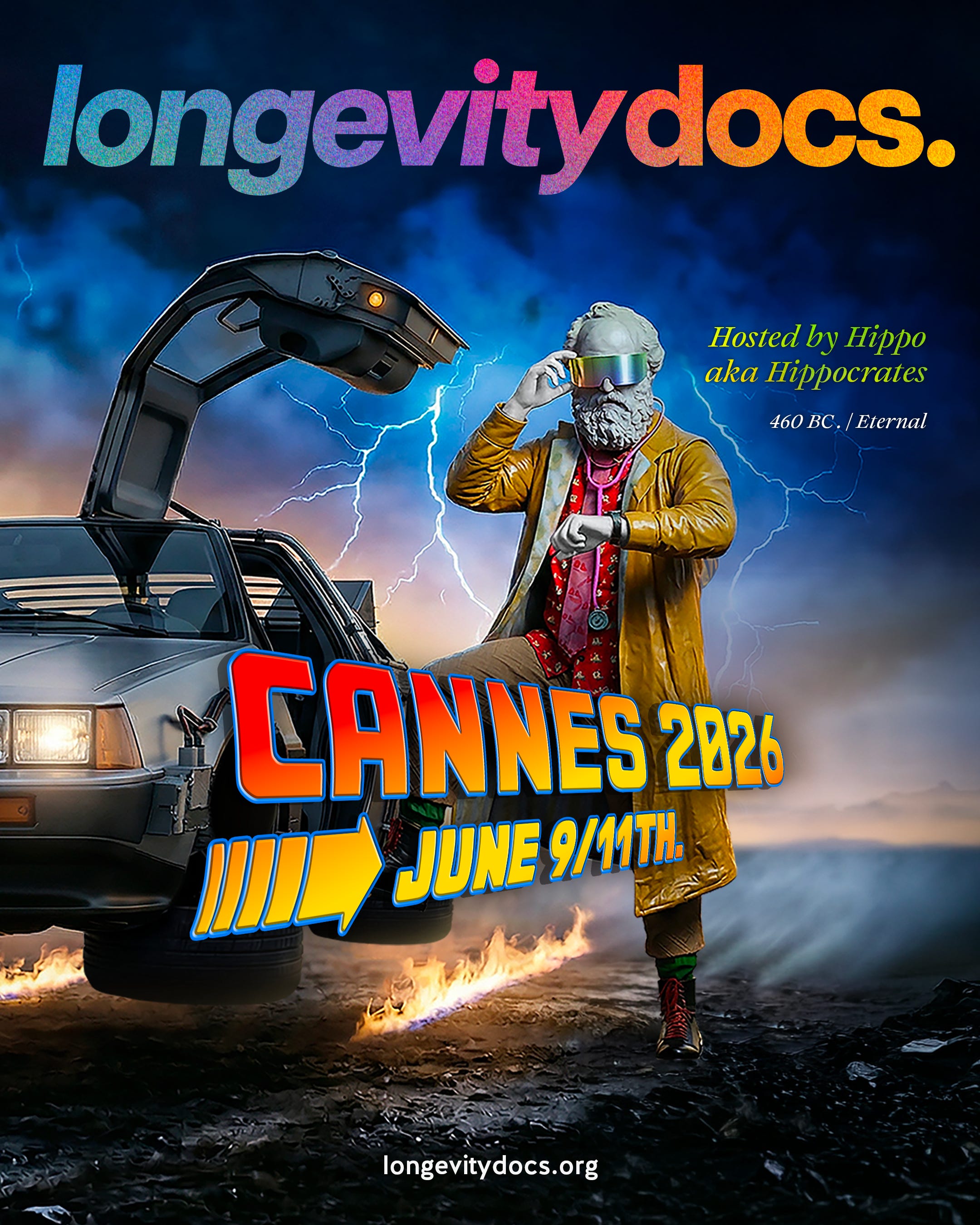
Cover Story: Longevity Docs Cannes 2026 Theme - Back to Medicine
Buzz in the Chat: HRT, CAC & the stroke debate | MedSpa madness | AI in the clinic
Research Radar: OMICmAge biological aging clock | Whole-body MRI meta-analysis | iPSC 20-year review
Intelligence:
Community: Dr. Jeffrey Rousse

Each week, I try to explore one idea that could advance longevity medicine and hopefully support physicians in bringing it to life.
Back to Medicine.
This is the theme for Longevity Docs Cannes 2026.
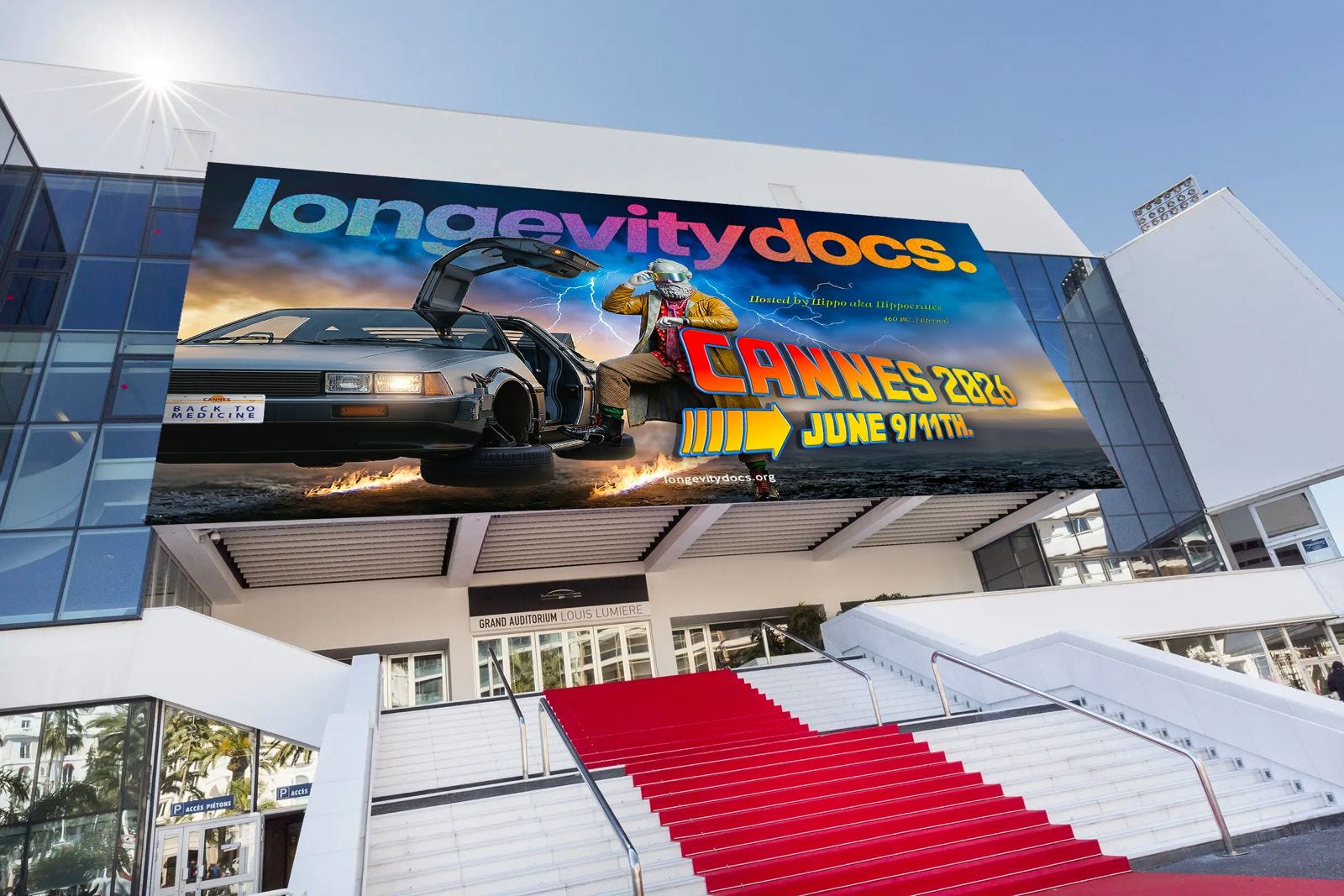
Remember the Doc? Not a longevity doctor. The other one.
The one with the wild hair, the lab coat, the DeLorean, and an unshakeable belief that if you understood the mechanics of time, you could change what came next.
Doc Brown didn’t wait for the future to arrive. He built a machine, set the coordinates, and went back not to relive the past, but to rewrite it. To intervene. To correct the trajectory before it became irreversible.
But here’s what the film gets right that most people miss: it wasn’t one dramatic gesture that saved everything. It was small things. A letter left at the right moment. A wire strung between two clock towers. A conversation that happened… or didn’t. The butterfly effect of ordinary decisions, made with intention, changing everything downstream.
I’ve been a fan of Back to the Future my whole life. Not because of the time travel. Because of the conviction. The idea that the future isn’t fixed. That if you understand how things work (really understand them) you can go back to the moment that matters and change what happens next. And that sometimes, the moment that matters is right now.
The Delorean of longevity
The science has been building for decades. Epigenetic reprogramming. Biological aging clocks. Senolytics. GLP-1 receptor agonists. Next-generation biologics. AI-driven diagnostics that can read a blood panel the way a master clinician reads a face.
We have everything we need.
This is our DeLorean moment. We have the machine. We have the fuel. We have the coordinates. Now it’s time to build the future of longevity medicine — personalized, proactive, focused on the patient who doesn’t wait for disease to knock on the door. A system designed around positive outcomes. Around people, not pathology. Around intervening before the crisis, not after.
Doc Brown didn’t wait for someone to hand him the blueprint. He built the thing himself.
That’s what we’re doing.
The Back to Medicine paradox.
Here’s the paradox.
AI makes us faster. More knowledgeable. Better at catching what we’d miss. It reads the data, flags the patterns, cuts the cognitive load that was quietly burning us out.
And with that time back, with that mental space reclaimed, we finally get to do what we became doctors to do in the first place.
Know the patient. Really know them. Their environment. Their stress. Their sleep. Their relationships. The things that don’t show up in a panel but show up in a life.
Take time to care. To understand. To guide.
That’s the Back to Medicine paradox. The most advanced technology in the history of medicine isn’t pulling us away from our humanity. It’s giving it back to us. AI handles the noise so we can focus on the signal. And the signal was always the person sitting across from us.
Shaping the Future of Longevity Medicine
Every decision you make in the clinic is shaping the future of your patient’s life. Every standard you hold, every protocol you tighten, every conversation where you choose rigor over shortcuts. That’s not just good medicine. That’s the future of longevity medicine being written in real time.
You are not a bystander in this field. You are building it.
And you are not alone. Six hundred physicians across fifty countries are making the same small decisions every day. Together those decisions compound into something the world will look back on and call a movement.
Cannes is where the movement meets.
The only place in the world where physicians sit in the same room as the scientists, the government leaders, the investors, the industry builders and shape the direction of longevity medicine together. Not as an audience. As architects.
The DeLorean is ready. June 9-11, we go.
The home of longevity medicine is open.
Next week: the first speaker announcements.
The lineup we’ve assembled for Cannes 2026 is unlike anything this field has seen. Scientists who are rewriting what’s possible. Clinicians who are living the mission. Builders who are doing something about it.

Every week, the Longevity Docs WhatsApp group feels like a front-row seat to the future of medicine. Here’s what had doctors buzzing:
HRT, Coronary Calcium & The Stroke That Split the Room
I could have summarized this one. I chose not to. Some conversations deserve to be read in full. Jump to the takeaway if you're short on time.
SL brought a real patient case: 55-year-old menopausal female on transdermal estradiol patch (0.05 2x/week), oral prometrium 100, and vaginal estrogen. Feeling amazing. Then her CACS comes back at 92. Cardiologist starts rosuvastatin 5mg, she’s on losartan 25. SL recommended staying on the patch, added baby aspirin, ordered a stress test — but couldn’t shake the worry.
JE cut through first: “No increased clot risk with transdermal at that dose. In the HERS trial, oral CEE only increased risk in the first year then no difference.”
EY: “There is NO increased clot risk with transdermal estrogen! Only oral. And it is cardioprotective.”
RD reframed the case: “CAC of 92 in a 52-year-old female places her in the 97th percentile for age and gender. She has accelerated atherosclerosis. Does she carry any prothrombotic SNPs? I would consider CTA and/or CIMT.”
M: “CCTA with Cleerly or HeartFlow, advanced lipid panel including Lp(a) and ApoB, consider nattokinase and PCSK9 inhibitor.”
GC added a critical sequencing point: “I would recommend either Cleerly or Caristo FAI to assess for inflamed/vulnerable plaque. If there is significant inflamed plaque, this has to be addressed before initiating HRT.”
Then JO shared a personal case that changed the temperature of the room: “My SIL who is 49 literally had a stroke this week. PFO found. No changes in her health, except she started 0.05mg transdermal estradiol a month or two ago.”
S asked the right questions: “Where was the stroke? Basal ganglia or cortical? HTN? Migraine with aura?”
JO: “Lacunar stroke. Otherwise healthy. No migraine history. Lots of stress.”
S delivered a neurology-grade analysis: “It is highly unlikely that her PFO caused a lacunar stroke. PFO-associated strokes are characteristically cortical or lobar infarctions from paradoxical embolism. Lacunar strokes result from occlusion of small penetrating arteries: lipohyalinosis, microatheroma, arteriolosclerosis. Strongest risk factors: hypertension, diabetes, hyperlipidemia, smoking.”
GC (a former structural interventionist) went deeper: “25% of the population have a PFO. I’m not aware of data that young people without risk factors develop clots all the time. PFO closure is only 60% effective if the PFO is actually the cause. We used the PASCAL classification and RoPE score to identify who truly benefits: because if the PFO wasn’t the cause, the closure device increases atrial fibrillation risk, which raises overall stroke risk.”
S agreed: “Location of stroke makes it less likely PFO-related.”
SM raised another angle: “Did she have COVID or flu in the last 120 days?”
RR weighed in with force: “Please let’s not start demonizing transdermal HRT when the relative risk for blood clots is 0.9 or less. Estrogen in this form is protective!” She pointed to post-COVID vascular fragility: spike protein-induced endotheliitis, glycocalyx destruction, amyloid-beta microclot formation: “This is ongoing and smoldering.”
T reinforced: “The relative risk is 0.92. It is protective. She was going to have that stroke.”
EF added: “Oral estradiol has never been shown to cause blood clots. The relative risk is always less than one. Estradiol is not the same as Prempro or CEE: and it has many benefits above and beyond transdermal.”
RD offered a cardiologist’s perspective on the PFO: “PFO is the reason for stroke in young patients. We all form small clots daily, except PFO patients have a way to pass them into systemic circulation. I don’t think hormones are to blame. I have a patient like your SIL. She was able to get PFO closed.”
JO closed the thread with a response that deserves to be read in full: “I’m not demonizing it. I have been a full HRT supporter for two decades… AND nothing is 100% absolute. This just happened in my family. Try to discount it. Ignore it. Argue it. Do what you like. I’m just giving this group information from someone close to my heart. Keep it somewhere in your mind, cause it happened.”
S honored that: “I agree this is our place to have challenging and open conversations. Appreciate your willingness to share this case. There are some who are newer to HRT like myself and it’s important for all of us to look at this info. My neurology colleagues are still debating this topic. All in peace.”
This thread was the community at its best: clinical rigor meeting personal vulnerability, and neither backing down.
MedSpa Madness: “Jacked Up Patients” Everywhere
HM asked what many longevity physicians are thinking: “Anybody else tired of seeing jacked up patients coming from medspas? Or is it a Miami thing?”
L didn’t hesitate: “It’s everywhere in the world!”
SM: “Connecticut too.”
Then the conversation went deeper than aesthetics.
JJ flagged that Florida is actually doing something — enacting the Prescription Drug Oversight Act. But in the same breath, he shared something that made the whole group pause: “I just saw on social media a ‘famous’ CRNA injector in Miami Beach who owns a very prominent medspa and is now offering ‘stem cells.’”
Summary: A nurse anesthetist running a medspa is now marketing stem cell therapies to consumers. No physician oversight. No clinical trial framework. No outcome tracking. Just a brand, a following, and a syringe.
JJ’s response captured the frustration and the hope: “This is a step in the right direction for those of us doing things the right way.” He then shared SM’s recent essay on the peptide market, which concluded with a line that became the quote of the week: “The next phase will move in one of two directions. Either deeper into the shadows. Or back into accountable medicine.”
RP added: “Maybe even both and physicians and patients decide which side they want to be on.”
This isn’t just a Miami problem. It isn’t just an aesthetics problem. It’s a medicine problem.
The medspa industry has exploded into a $20B+ market with minimal physician oversight. What started as Botox and fillers has expanded into hormone pellets, IV therapies, peptide injections, exosomes, and now “stem cells” all marketed directly to consumers by providers operating at the edge of (or beyond) their scope of practice. The patients who walk into your longevity clinic afterward arrive with complications, mistrust, unrealistic expectations, and sometimes genuine harm.
The regulatory response is starting. Florida’s Prescription Drug Oversight Act. The FDA’s crackdown on grey market peptide vendors (Peptide Sciences). Warning letters to compounders. But regulation alone won’t solve this. The demand driving patients to medspas is real… they want optimization, prevention, and longevity interventions. They’re just getting them from the wrong places.
The Takeaway: The medspa boom is longevity medicine’s shadow twin: same patient demand, zero clinical infrastructure. Every patient who gets reckless peptide injections or unregulated “stem cells” at a medspa is a patient who should have been in a physician-led longevity practice. The downstream cleanup falls on us: the complications, the distrust, the conversations that start with “someone injected me with something and now I don’t feel right.” This is exactly why standards matter. Why certification matters. Why this community exists. The Wild West doesn’t end with regulation alone, it ends when enough trained, credentialed physicians offer a better alternative. That’s the mission. That’s what Back to Medicine means
Ready to practice longevity medicine the right way?
The Certified Longevity Doctor (CLD) program gives you the clinical framework, the evidence base, and the community. Join the next cohort.

Whole-Body MRI for Opportunistic Cancer Detection in Asymptomatic Individuals: A Systematic Review and Meta-Analysis
The first systematic review and meta-analysis evaluating whole-body MRI (WB-MRI) as a cancer screening tool in asymptomatic individuals. The study pools data across multiple cohorts to assess detection rates, false-positive burden, and clinical management implications of using non-contrast WB-MRI with diffusion-weighted imaging for multi-cancer early detection. Although WB-MRI shows potential as an opportunistic non-invasive cancer detection tool, modest detection rates, frequent incidental findings, unstandardized protocols, and lack of long-term outcome or cost-effectiveness data limit its current clinical utility. European Radiology
OMICmAge: A New Multiomic Biological Aging Clock Built from Medical Records

Using ~31,000 electronic medical records, researchers developed OMICmAge - a DNA methylation-based biological aging clock that integrates proteomic and metabolomic data through epigenetic proxies. Unlike existing clocks that rely on a single data layer, OMICmAge bridges multi-omic domains into a single scalable measure. It outperforms or matches existing biomarkers at predicting mortality, and is associated with both prevalent and incident age-related diseases. Nature Aging
Two Decades of Induced Pluripotent Stem Cell Research: From Discovery to Diverse Applications

A comprehensive review marking 20 years since Yamanaka’s Nobel Prize-winning discovery of iPSC reprogramming. The paper maps the full arc from basic science to clinical reality: iPSC-derived cell therapies now entering human trials for macular degeneration, Parkinson’s disease, heart failure, and diabetes. It also covers the emerging intersection with partial epigenetic reprogramming where the same Yamanaka factors used to create iPSCs are now being dosed in vivo to reverse cellular aging without full dedifferentiation. Cell Stem Cell

Every week, I track funding, FDA approvals, product launches, and breakthrough announcements shaping longevity medicine.
PHARMA/BIOTECH
CAR-T for Autoimmune Diseases

CAR-T cell therapy (originally built to kill cancer) is producing drug-free remissions in patients with severe lupus and myositis. Patients stopping all immunosuppressants entirely. Autoimmune inflammation is one of the strongest accelerators of biological aging. A one-time therapy that eliminates it at the source changes the healthspan equation for millions. The New Yorker
───
POLICIES/CARE
Grey Market Peptide Giant Disappears

The largest grey market peptide supplier went dark after 12 months of FDA raids, 50+ warning letters, and new legislation banning research chemicals identical to FDA-approved drugs. This is the moment for physician-led peptide medicine with pharmaceutical-grade sourcing and clinical oversight. Longevity Insider with Dr Murphy
───
WEARABLES
WHOOP Joins $34.5M ARPA-H Coalition for FDA-Grade Aging Score

Stanford-led THRIVE coalition building the first FDA-grade “Intrinsic Capacity” score: predicting mortality and functional decline up to 20 years out. Integrates wearable data, blood biomarkers, and functional assessments. Target: under $100 at-home. Whoop
───
MEDTECH
Science Corp $230M for Vision Restoration Chip

First commercial wireless retinal implant for geographic atrophy (late-stage AMD). Patients read letters and words after implantation. European launch 2026, FDA clearance pending. When your AMD patients ask “is there anything new?” the answer just changed. Medtechdive
───
SOCIETY
Difficult People Age You Faster

Spending time with a difficult person can impact your mood in the moment. But over time, these challenging social interactions might also have a detrimental effect on your physical health, possibly making you age faster, new research suggests. PNAS study: each “hassler” in your social network adds ~9 months of biological age and 1.5% faster aging pace via epigenetic clocks. 29% of people have at least one. Washington Post
Sex Span as a Longevity Metric

NYT explores sexual function as a clinical marker of vascular health, hormonal status, and neurological function - not lifestyle, but a systems check on the domains longevity medicine targets. Your patients care about this but won’t bring it up. ED predicts cardiovascular events. Libido loss tracks hormonal decline. Start asking. New York Times

Certified Longevity Docs Spotlight: Jeffrey Rouse, MD
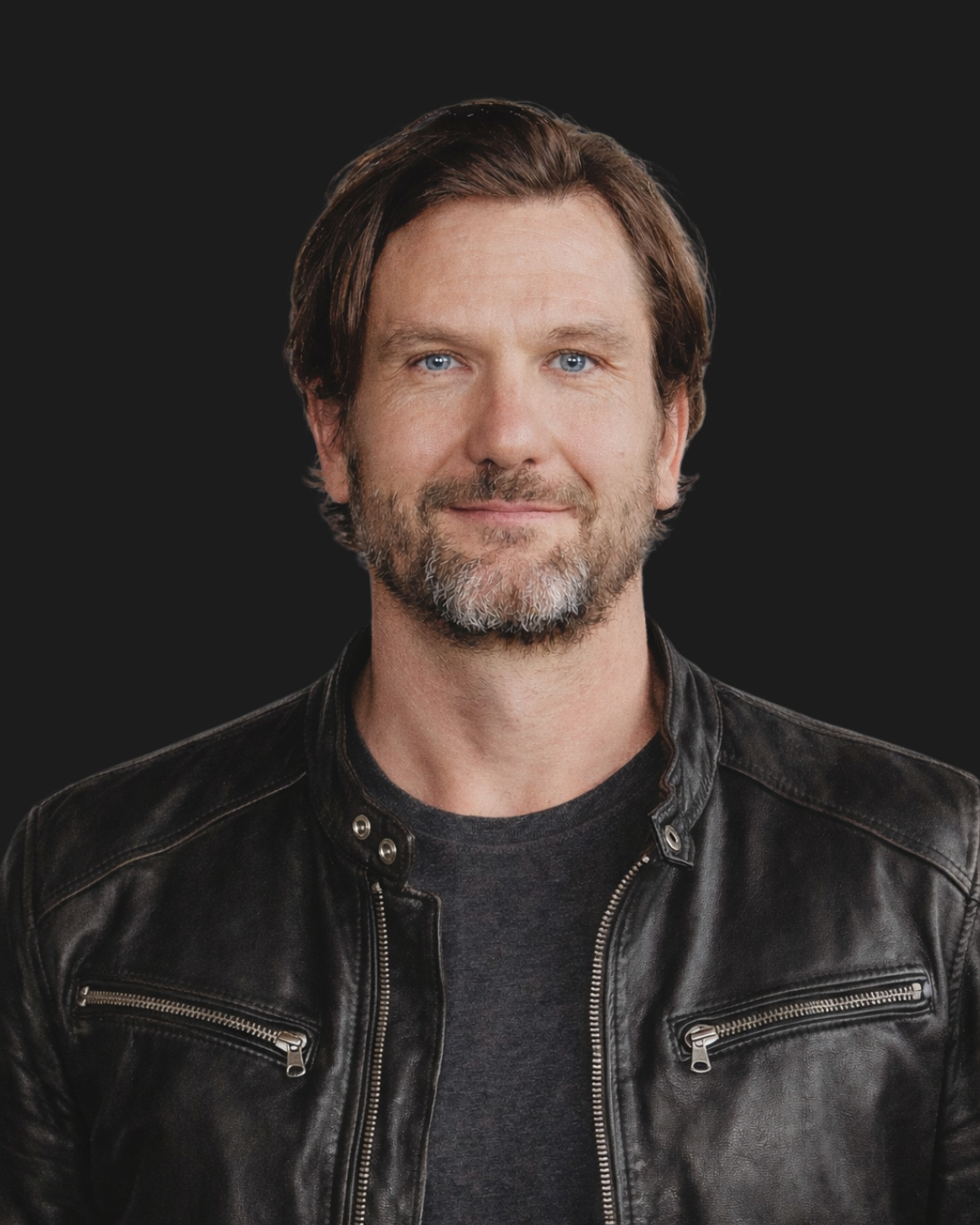
Dr. Jeffrey Rouse is a board-certified forensic psychiatrist and Assistant Professor at Tulane University's Department of Psychiatry and Behavioral Sciences. A native of New Orleans, he served as the elected Coroner of Orleans Parish from 2014 to 2018, where he modernized the office and championed the city's mental health infrastructure in the aftermath of Hurricane Katrina. Today he serves as CMO of Shiftwave, working at the intersection of neuroscience and performance technology. He joined Longevity Docs as a Certified Longevity Docs (CLD) Cohort 1.
Why did you start the CLD program?
“Most of my advice is non-pharmacological anyway — how to maximize exercise and recovery and all of the other things for brain health. Being able to better understand the multiple molecular mechanisms of aging has proven very, very useful in patient discussions.”
What has been your experience?
“I love the program. The formatting in small chunks is very useful because you’re directing this to a busy physician audience that’s trying to fit it all in. I find it comprehensive. I’ve learned a lot. I really don’t have a lot of negatives around the content.”
What would you like to see in the future?
“To make it a hub that other companies or entities could come into and say, where is the psychiatrist that’s interested in longevity? And they could get me and several others and choose. I will mention Longevity Docs as a way that all of these disparate attendees, if they’re interested in following up with a physician who is longevity minded back in their towns, this would be a central hub to find persons who are already along this journey instead of just being subject to Instagram or whatever directories they have.”
What does Longevity Docs mean to you beyond the certification itself?
“You’ve really done a great job creating a hub for everyone to come together. I’ll be speaking on longevity at a medical cruise to the Norway fjords in May and I’ll be mentioning Longevity Docs as the central hub for anyone who wants to find a longevity-minded physician back in their town. Instead of Instagram or random directories — a place where the work has already been done.”
Ready to practice longevity medicine the right way?
The Certified Longevity Doctor (CLD) program gives you the clinical framework, the evidence base, and the community. Join the next cohort.

Mastermind Replays Now Available
3 Masterminds. 3 topics reshaping longevity practice: AI & Tech, Peptides, and Hormones - featuring the dozens of faculty. Trusted by hundreds of physicians
If you weren’t in the room, this is your second chance.

Conferences
Jun 9–11 — Longevity Docs Cannes 2026": Awards & Summit
Jun 29–Jul 1 — A4LI H-SPAN Summit · Washington, DC Longevity medicine meets regulation and policy.
Aug 24–28 — ARDD · Copenhagen, Denmark Where aging research meets drug discovery.
Oct 17 — Longevity Docs Skin Longevity Mastermind · New York, NY. Curated physicians. Deep science. One room.
TBA — Longevity Clinics Roundtables · Buck Institute Clinical practice meets research infrastructure.

The Home of Longevity Medicine
longevitydocs.™ is the world's leading longevity physician community - 600+ doctors across 50 countries united by a single conviction: every doctor should be a longevity doctor. Founded by Dr. David Luu, the platform offers its members network, education, and experience with the mission to democratize longevity medicine.
Not a member yet? Join longevitydocs™
We’re a physician-only network. Curated. Vetted. Built on trust. If you’re committed to practicing longevity medicine with rigor, peer support, and shared standards → this is your community. Apply to connect with our team.
Longevity medicine is the personalized, evidence-based practice of modifying the root mechanisms of aging (biological, cognitive, and psychosocial) before they become disease, extending healthspan, not just lifespan. Using advanced diagnostics, precision interventions, and AI-enabled monitoring, it translates measurement into action across every medical discipline. Success is measured in functional capacity, vitality, and disease-free years.
Subscribe to the Longevity Docs Newsletter
Longevity medicine is moving fast. Every week, we bring you what matters: clinical insights, research signals, and perspectives from 600+ physicians across 50+ countries. One newsletter. Built for the physicians shaping this field.
Newsletter Disclaimer:
This resonates deeply. When I moved to Miami Beach, the medspa boom was impossible to ignore - peptides, hormones, IV drips, all with minimal physician oversight. It’s part of what pushed me to build HeartspanMD. The patient demand is real and legitimate. They just deserve it done right, by physicians who are accountable. Looking forward to continuing this conversation in Cannes.
Amazing! Thank you! This article needs to be everywhere. Society has lost faith in medicine, but there is a world of doctors that still prescribe to their Hippocratic oath. AI can crank the mechanics, and the human doctor can be present for his human patient.