


Hey Doc,
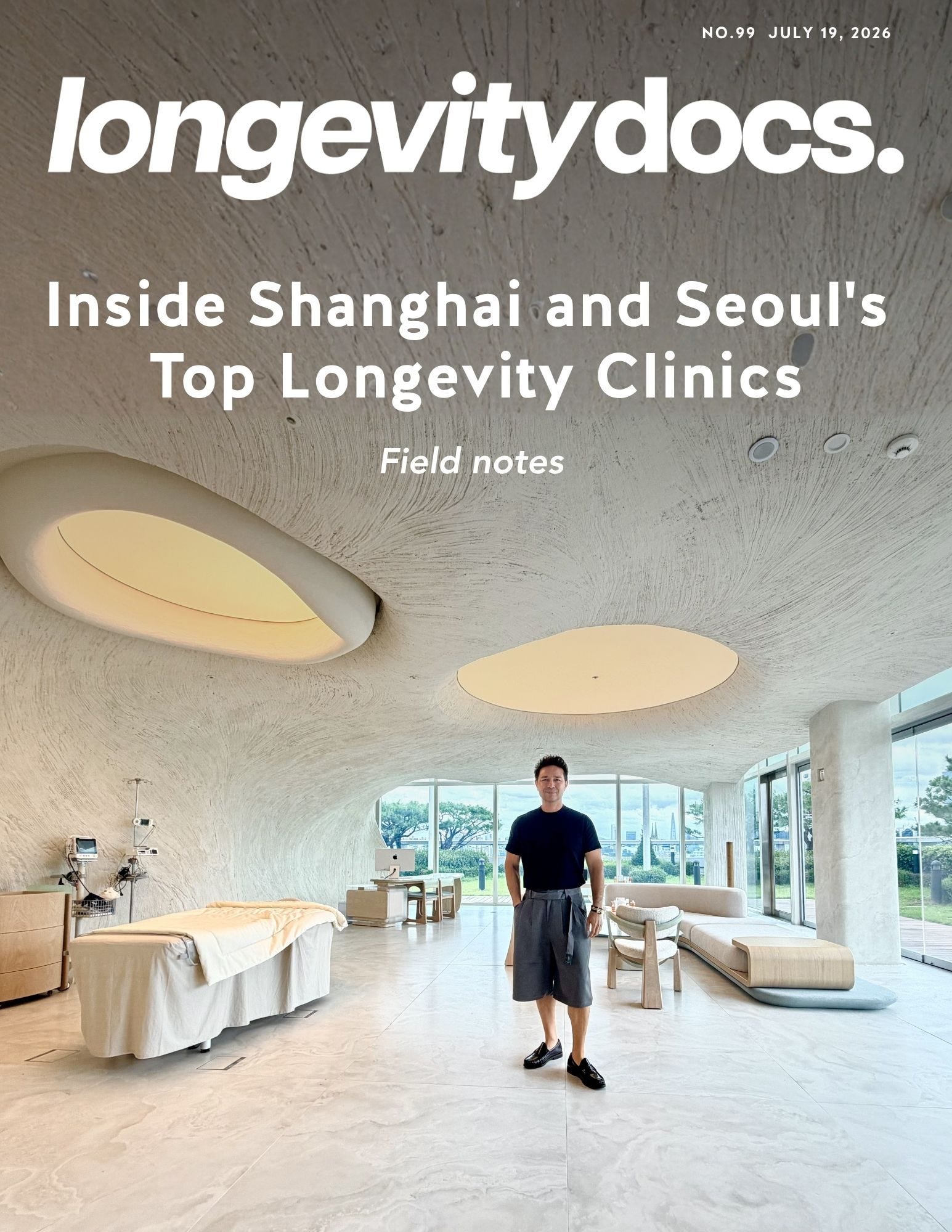
I just got back from Shanghai and Seoul, and I am fired up. I visited clinics, hospitals, met dozens of physicians and owners, all building longevity care on opposite sides of the planet. The infrastructure is here, and it is going up fast.
Look at this week. Neko raised $700 million to put prevention within reach of everyone, not just the wealthy. Lilly became the first trillion-dollar drug company by betting on preventive medicine. A $13,500 robot performed live surgery with the physician in the loop the whole time.
Prevention is being democratized. The tools are getting cheaper, the reach is getting wider, and for the first time we can bring this to millions of patients, on every continent, not a lucky few.
That is our mission. The infrastructure is being built right now. Super grateful to be meeting the physicians building it around the world!
Dr. David Luu, Founder, longevitydocs.™


Each week, I try to explore one idea that could advance longevity medicine and hopefully support physicians in bringing it to life.
Field Notes from Shanghai and Seoul
What I Learned Visiting Clinics and Hospitals in China and South Korea
I just spent two weeks in Shanghai and Seoul, meeting physicians and leaders and walking through their clinics and hospitals. Here is my honest summary, the opportunities and the challenges:
Opportunities
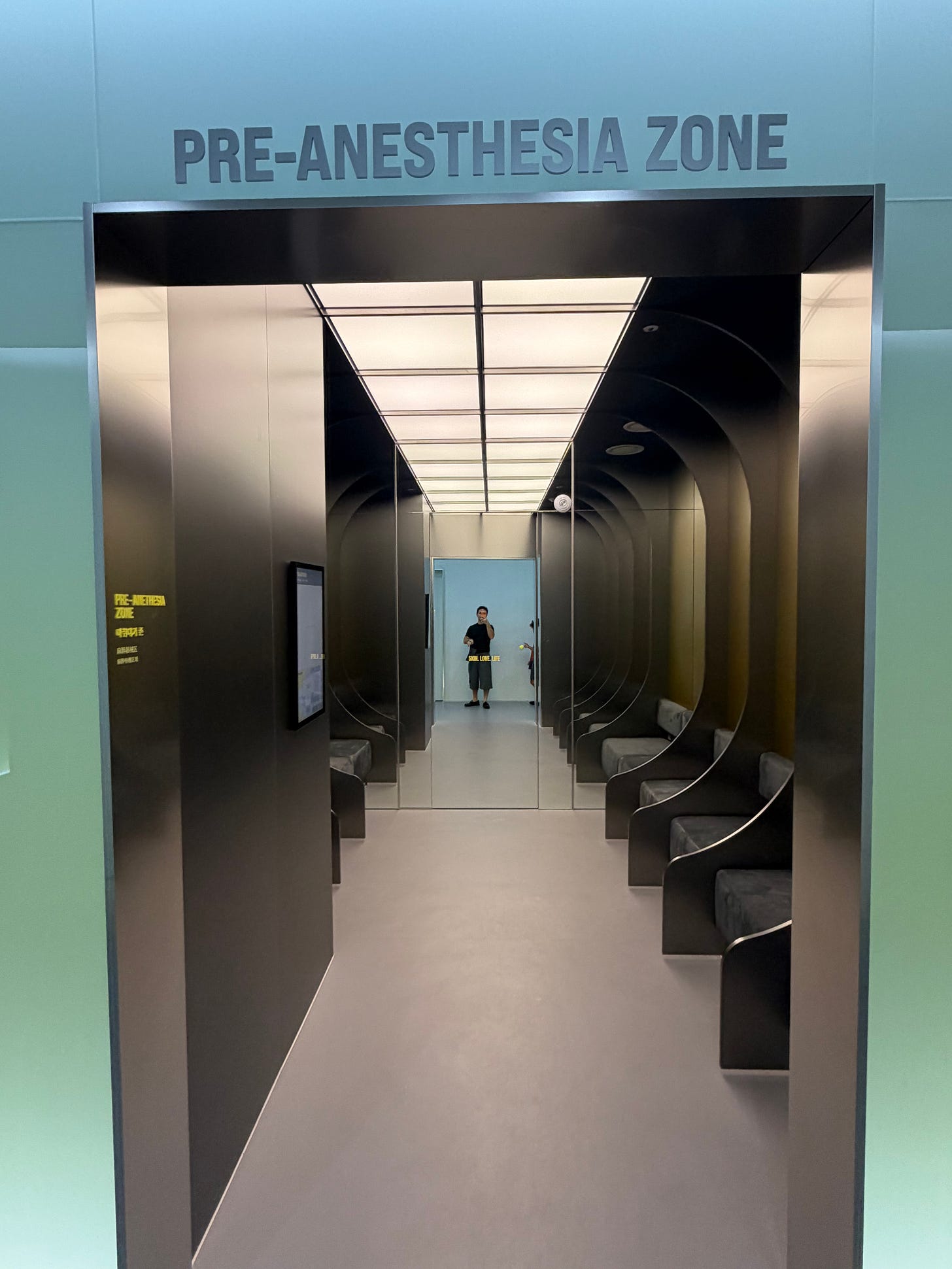
Experience. Some of these clinics and hospitals are designed like five-star hotels. Impeccable amenities, real architecture, the finish of a luxury property. The space itself tells the patient this is serious.

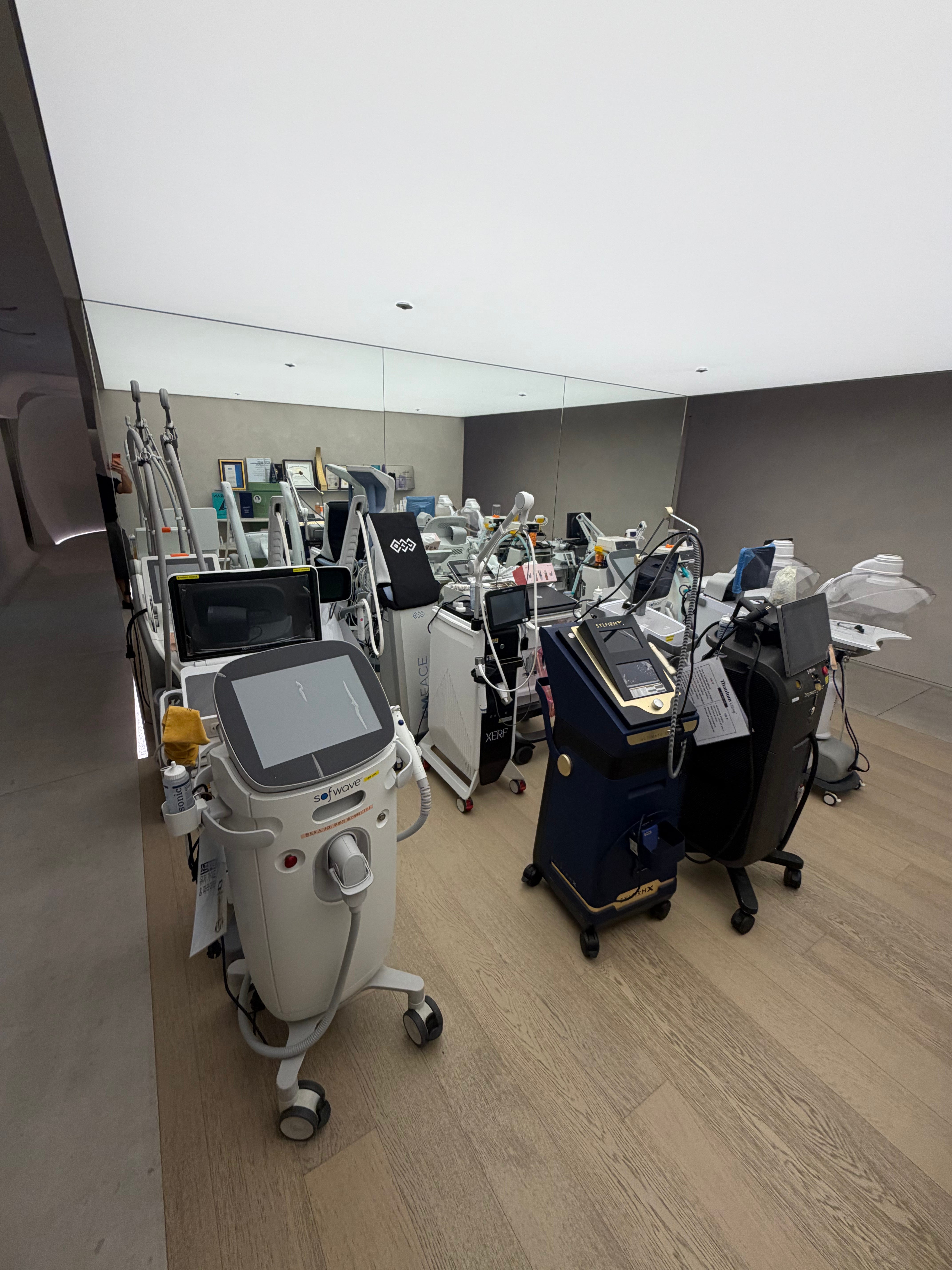
Equipment and technology. Rooms full of the latest imaging, CT, MRI, DEXA, functional diagnostics, at a level most Western clinics would think twice before buying. Some cosmetic-focused clinics run twenty-plus devices worth several million dollars, the newest of everything, all under one roof.
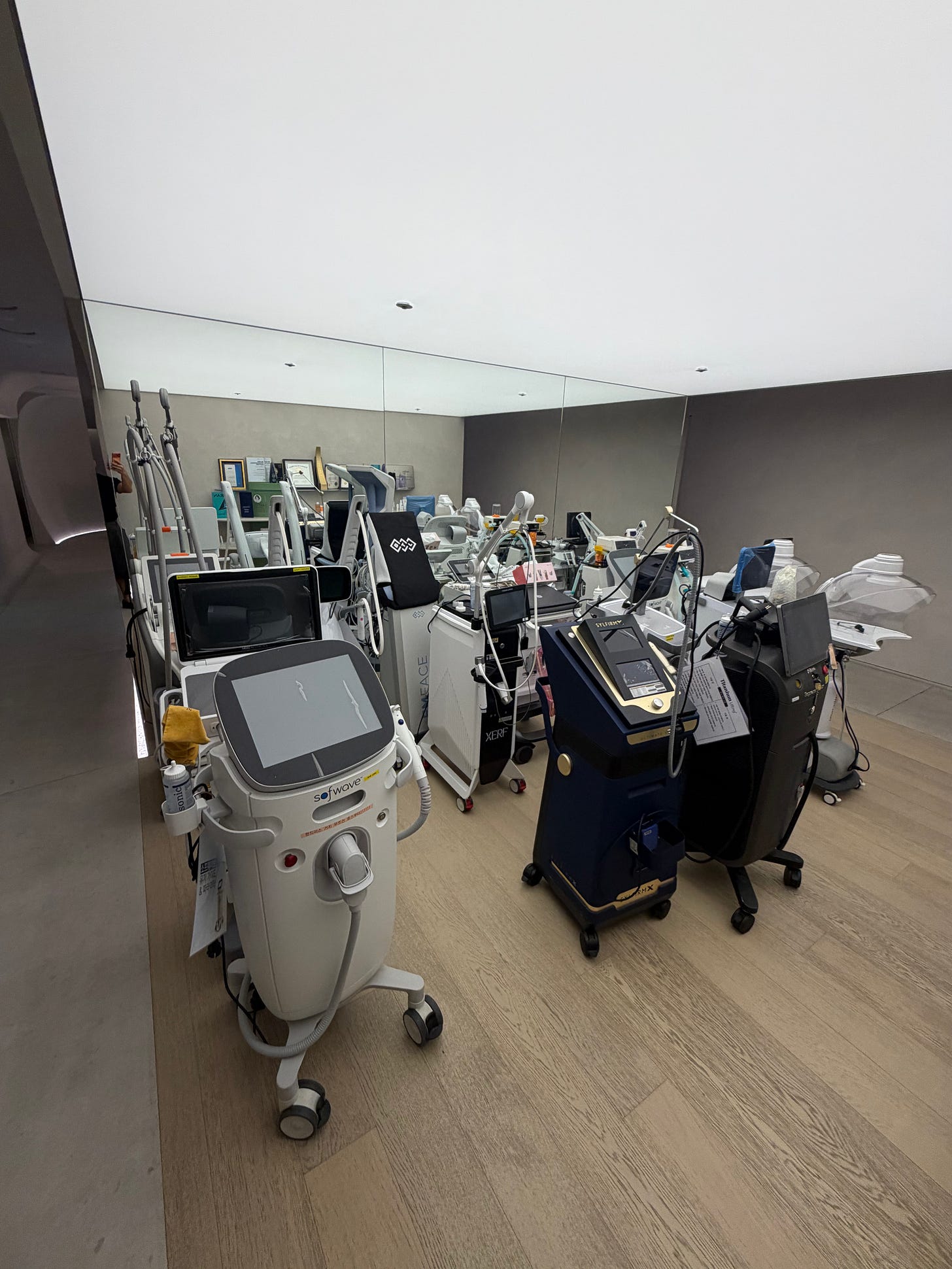
Price. They can be strikingly competitive, a full workup for a few thousand dollars. And even when they reach Western prices, they deliver it in a few hours instead of spreading it across days.
Scale and speed. Care moves fast, sometimes finished in hours, and they handle large numbers of patients at once without the experience falling apart.

Longevity tourism. Put the price, the equipment, the experience, and the speed together and you have a destination, not just a clinic. Patients will travel for a week of diagnostics and a level of care they cannot get, or cannot afford, where they live. Asia is quietly positioning itself to be where they land.


Challenges
Regulation. Every country has its own rules, and in most of them nobody has defined what longevity medicine even is yet. That is freedom and risk in the same breath, because what is allowed today can close tomorrow and no one is building on ground they trust.
Language. It is a wall that works in two directions. A patient will not fly toward a place they cannot talk to, and the best training and literature still move in English, so both the patients and the knowledge travel slower than they should.
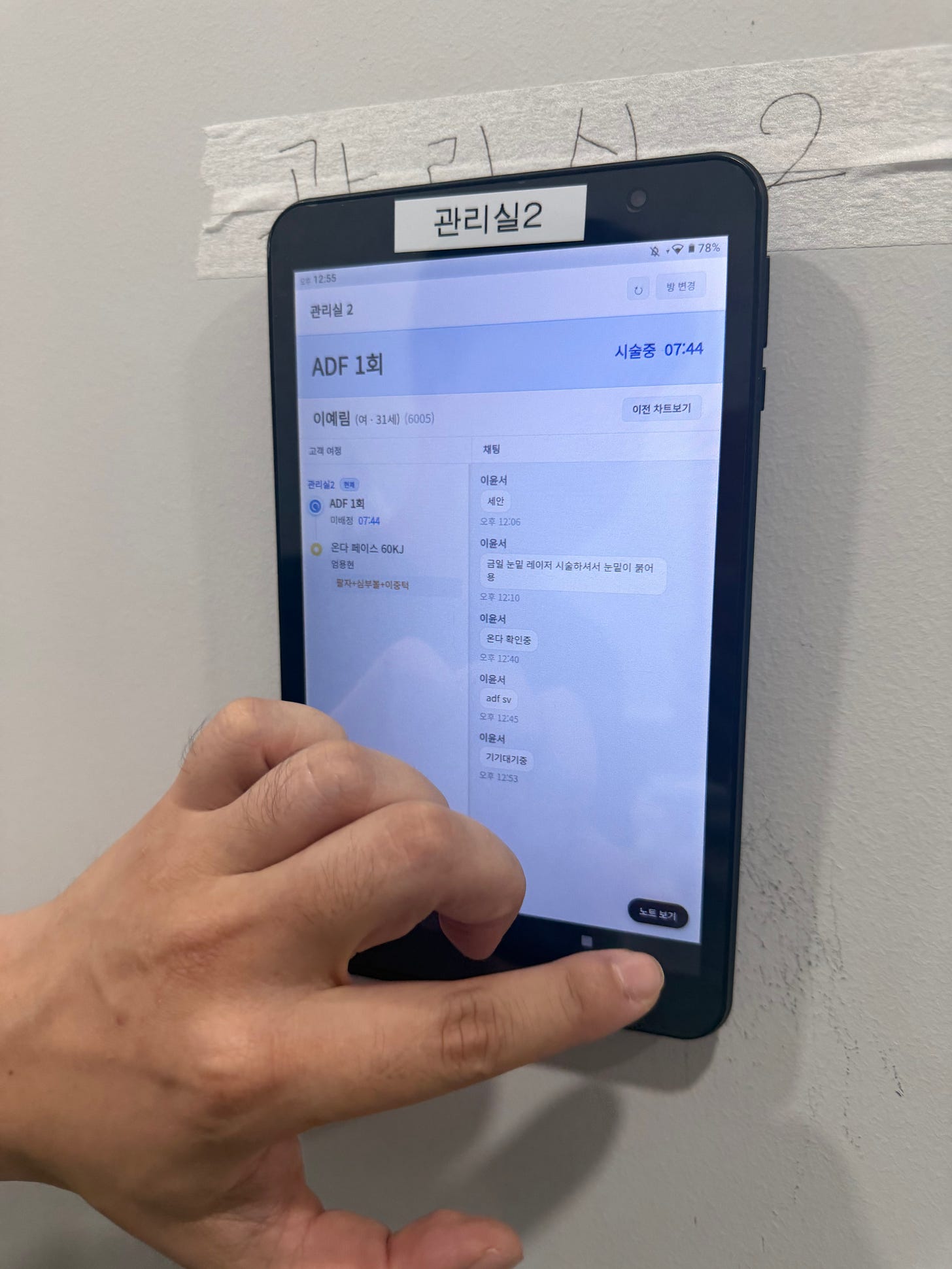
Communicating the care. Nobody has figured out how to explain this medicine simply, to patients or to referring physicians, what it does and why it is worth paying for. The value is real. The language for it is not built yet.
Patient acquisition and competition. Beautiful buildings, serious equipment, strong teams, and the hardest question in every room is still how to fill the schedule. The category is getting crowded fast, so differentiation stopped being optional, and nobody has actually solved acquisition.
No institutional framework. There is no shared standard, no common credential, no agreed definition of what a longevity clinic actually is. Everyone is building their own version.
Access to education. The hunger to learn was everywhere I went, and it genuinely moved me. But the training pipeline is narrow and expensive, demand far outruns supply, and it still needs to be adapted to local culture and regulation.
Recruiting doctors. You can buy the machines. You cannot buy the physician who knows how to read them, and everyone is chasing the same short list of people who can. The talent is the bottleneck, not the capital.
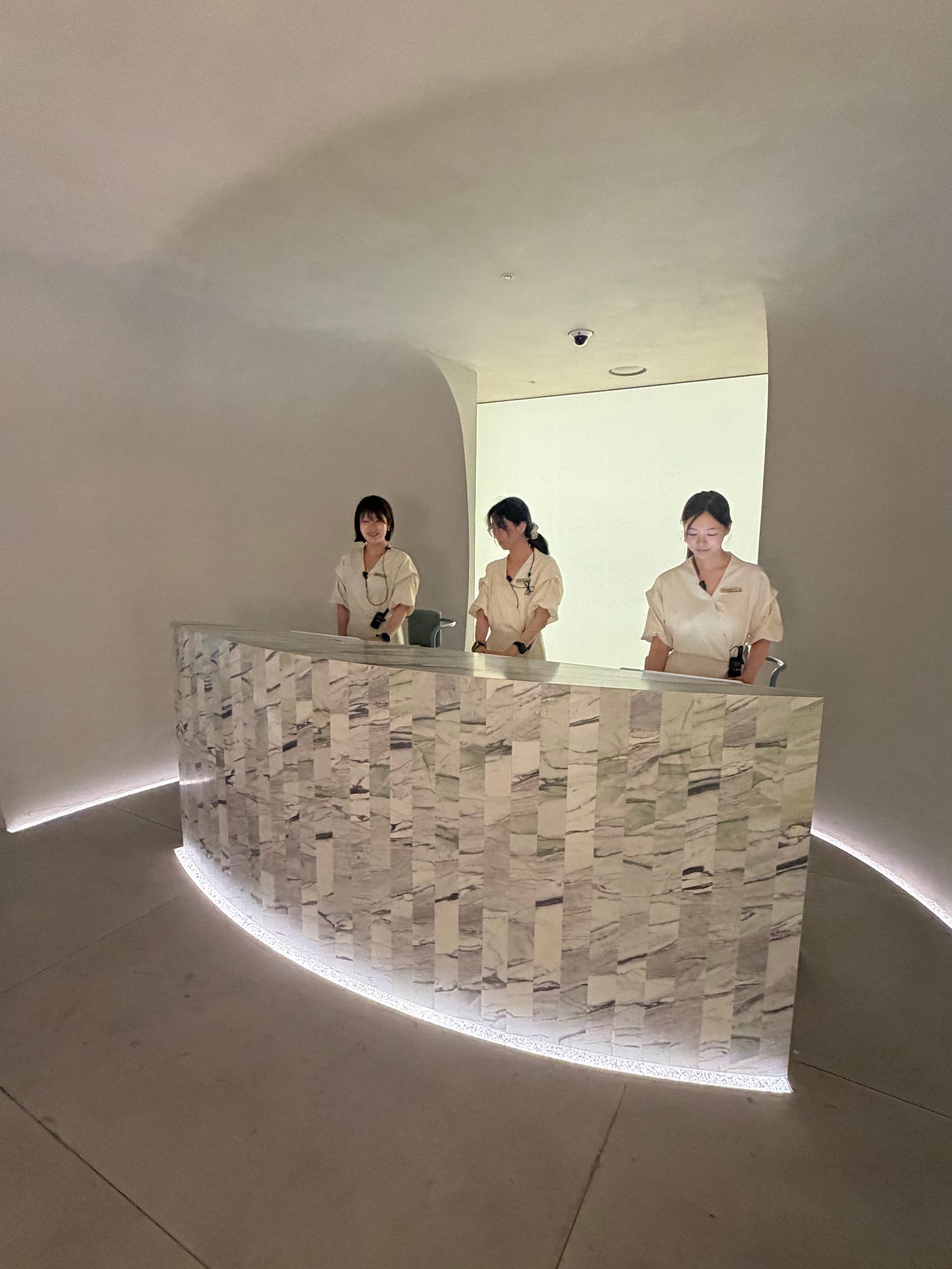
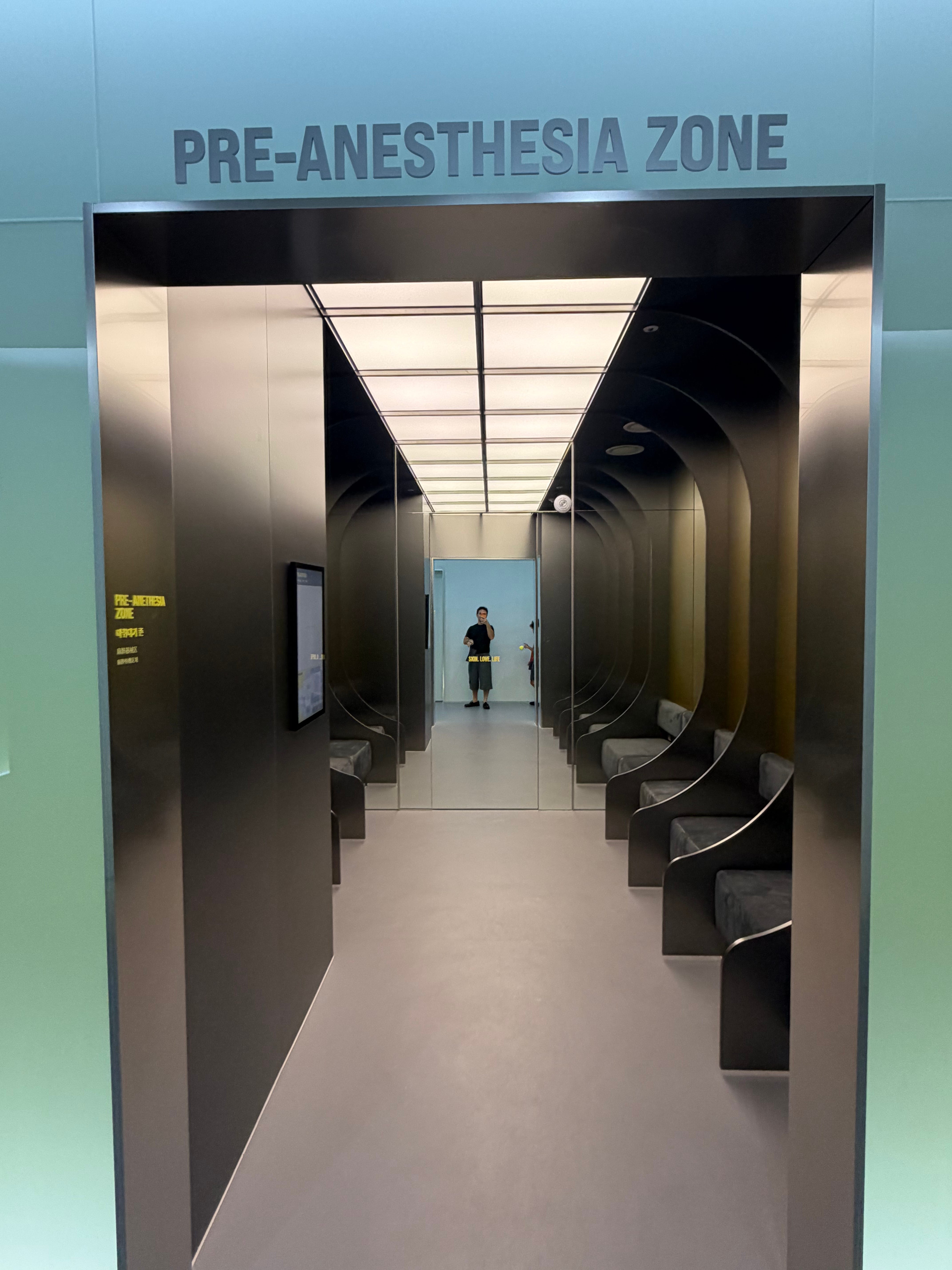
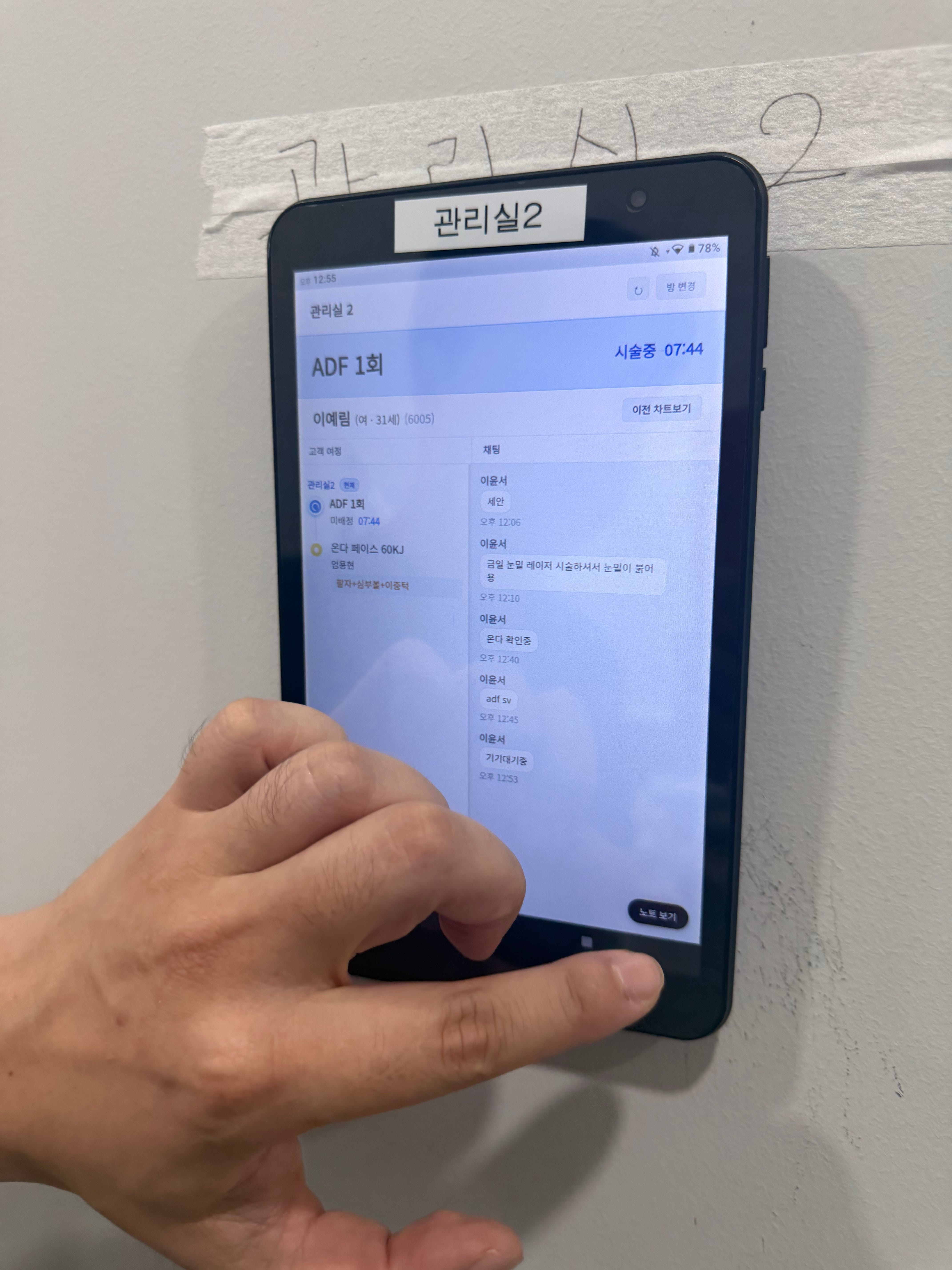
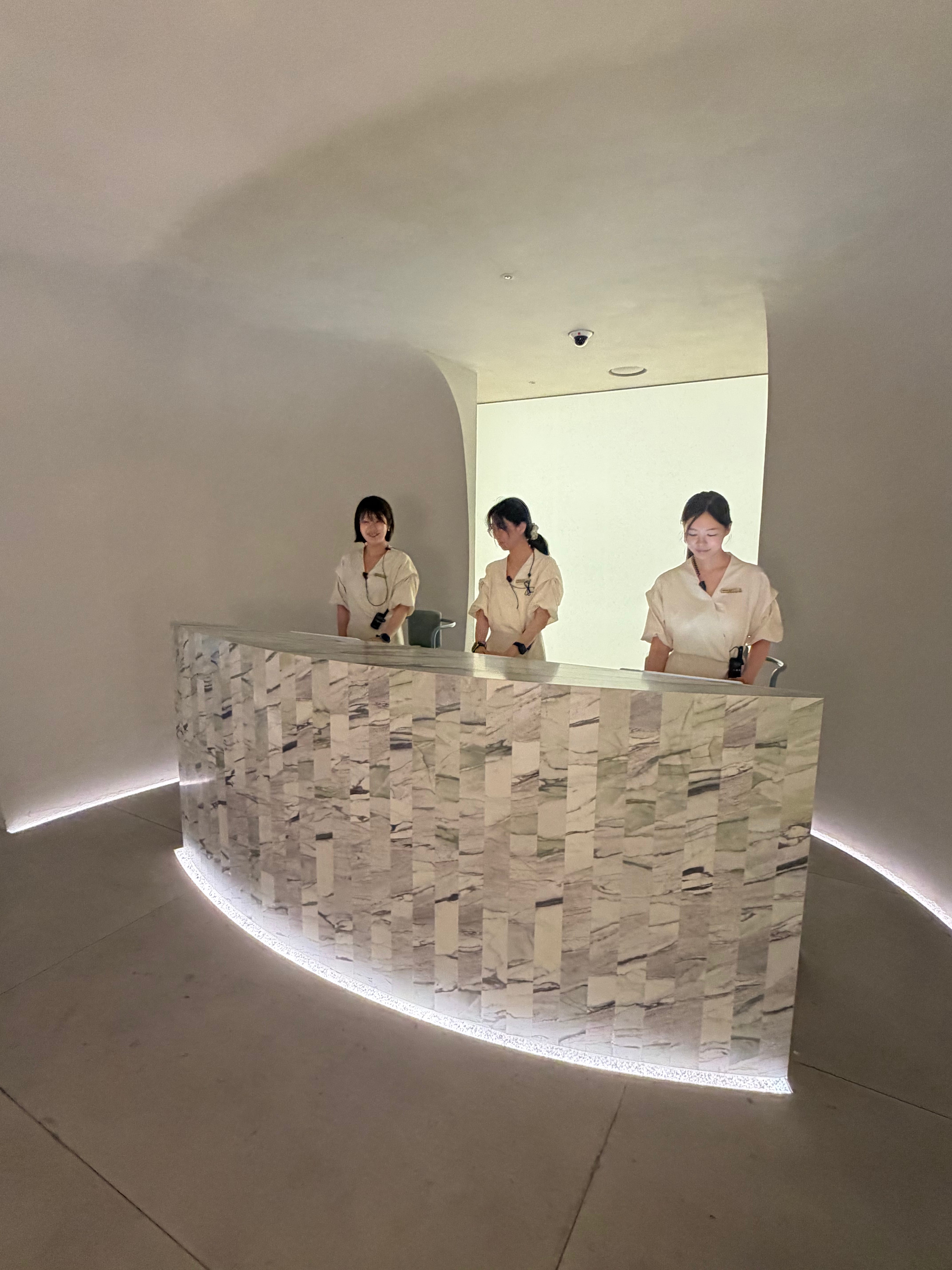
I came back genuinely impressed. What they are building in preventive, cosmetic, and dental care is real and moving fast, and longevity is firmly on the map. They will deliver.
And what I saw in Shanghai and Seoul is the same everywhere. This is not an Asia story, it is the shape of the field worldwide. Longevity care is becoming an economic asset, the way a country’s hospitals and universities already are. The investment will build the infrastructure, the buildings, the machines, the scale, with or without us.
Capital builds the infrastructure. Trained physicians deliver the care, and that is what makes them the most valuable asset in the building. So if you run a clinic or a hospital, the highest-return investment you can make is not another scanner. It is training your doctors.
That is exactly what we are building at longevitydocs.™: the certification and the training program for the longevity physician of the future. Every doctor should be a longevity doctor.

Therapeutic Plasma Exchange - Dr. Dobri Kiprov
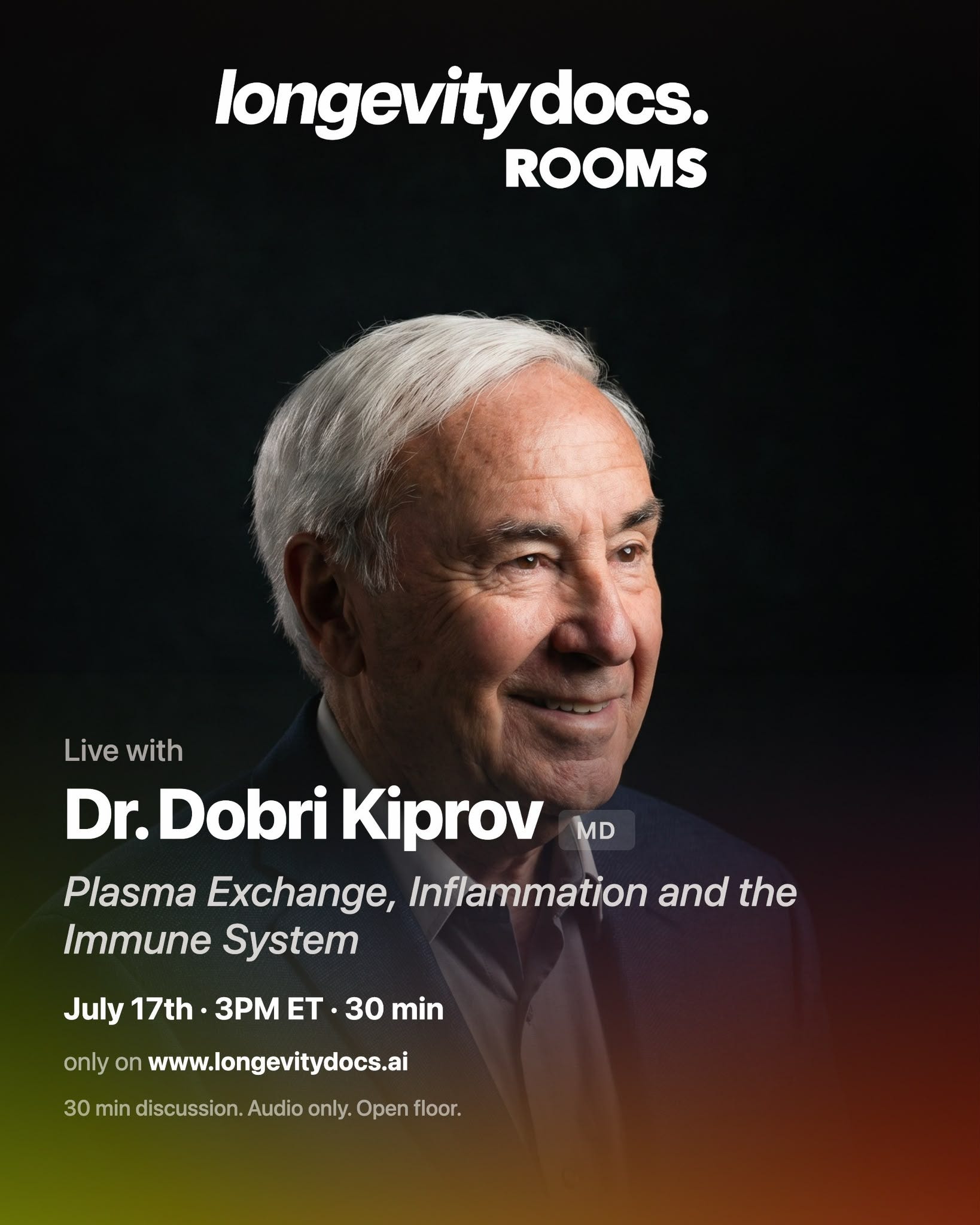
Dr. Dobri Kiprov, a 40-year veteran of therapeutic apheresis, explained how therapeutic plasma exchange (TPE) removes pro-inflammatory factors and may reverse aspects of immune aging. He reviewed clinical experience in autoimmune disease (myasthenia gravis, lupus), the AMBAR Alzheimer’s trial, and a placebo-controlled longevity study, plus emerging adsorption-column filtration technology.
5 KEY TAKEAWAYS
TPE is performed via centrifugal or membrane apheresis to separate plasma from cells. It is used across more than 90 diseases, the majority autoimmune, with indications graded by the American Society for Apheresis (ASFA) every three years.
The concept is “subtractive medicine”: removing offending factors (autoantibodies, cytokines, chemokines, circulating immune complexes) rather than adding drugs that can trigger new pathways and side effects.
Kiprov targets three aging hallmarks: inflammation, immunosenescence, and cell senescence/SASP. He reports that TPE removes SASP factors effectively and can restore proliferation of naive CD4 and CD8 T cells, shown by flow cytometry.
The AMBAR Alzheimer’s trial (sponsored by Grifols) tested amyloid removal by albumin-bound plasma exchange. Amyloid was found not to be the sole driver of disease, and outpatient TPE proved safe and well tolerated. Kiprov framed it as evidence the modality is viable in neurodegeneration, not as a head-to-head comparison against approved anti-amyloid therapies.
In a single double-blind, placebo-controlled study in adults 50 and older, TPE was associated with a lower biological age and an immune profile roughly 7 to 9 years younger, alongside reduced SASP and inflammatory markers, measured by DNA methylation clocks including organ-specific aging. Best read as preliminary, single-study results resting on epigenetic-clock surrogates still under validation.
Estrogen, Statins, and Lipids - Dr. Amy Killen
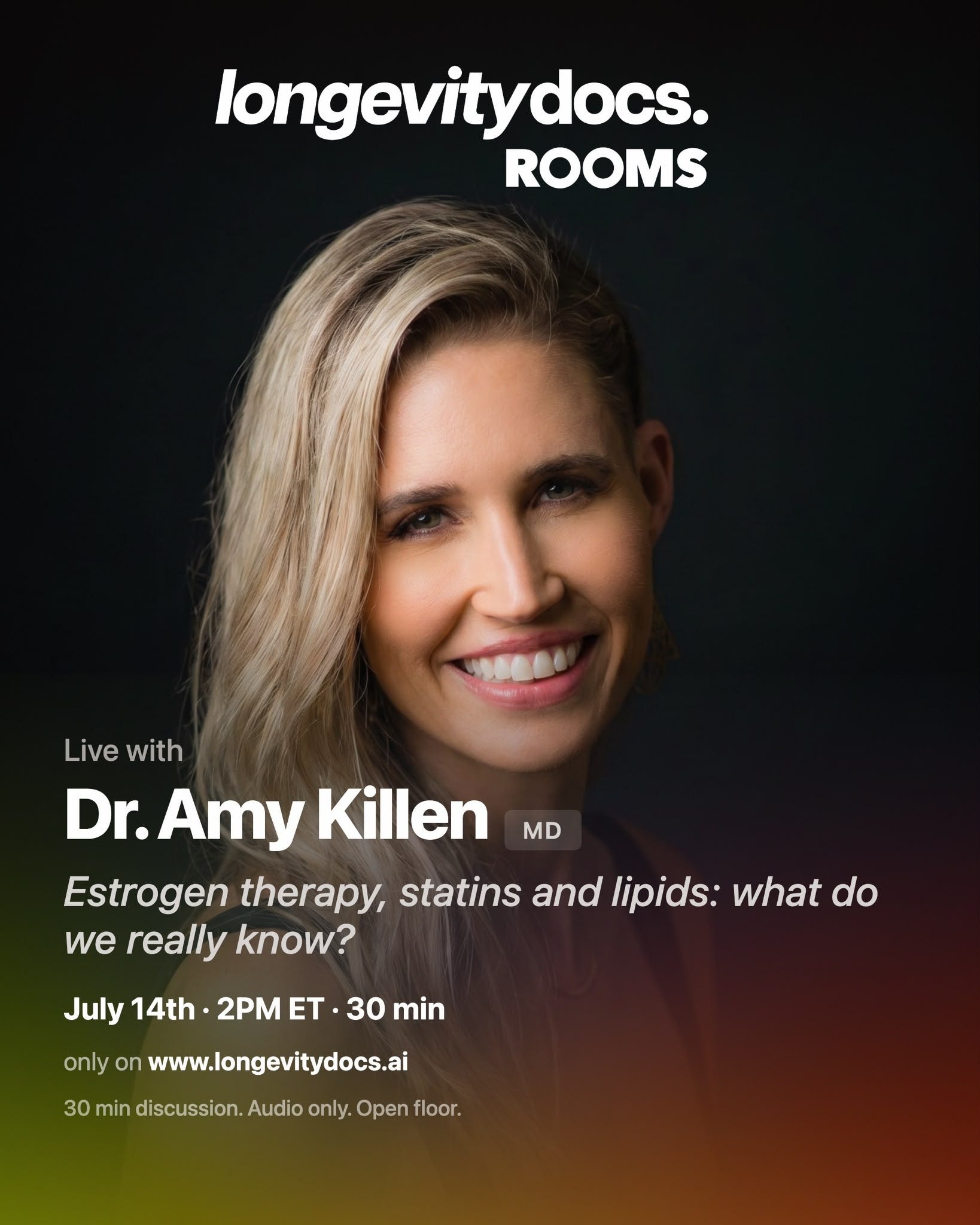
Dr. Amy Killen discussed how estrogen loss at menopause and statin therapy exert overlapping negative effects (particularly on mitochondria and insulin sensitivity) in women, yet the interaction between hormone therapy and statins has not been studied since the 1990s. She argued for prioritizing hormone therapy and lifestyle before statins in appropriate patients and challenged long-held assumptions about lower-dose estrogen being safer.
5 KEY TAKEAWAYS
A June 2026 observational study of about 1,200 postmenopausal women across 9 countries found statin users reported more severe menopause symptoms (47% vs 31%), more severe muscle and joint pain (53% vs 34%), and roughly twice the rate of sarcopenia.
No study since the late 1990s has examined how menopausal status or estrogen therapy affects statin efficacy or side effects. JUPITER is the only major lipid trial that even addresses menopause status, and it does so by excluding premenopausal women.
Estrogen acts protectively at multiple levels of lipid metabolism (production, absorption, and clearance). Its loss at menopause drives up LDL, ApoB, and triglycerides.
Statins and estrogen loss produce a “double hit” on mitochondria: statins block CoQ10 synthesis, and estrogen loss reduces mitochondrial resilience. Both also worsen insulin resistance, likely explaining why statins cause more muscle side effects and diabetes risk in women.
Killen questions the “lowest dose, shortest duration” estrogen dogma, noting it was never actually studied. A 2019 Lancet analysis found the lowest Premarin dose (0.3 mg) carried the highest associated breast cancer risk, with all other doses carrying roughly equal risk.

Every week, the longevitydocs.™ App feels like a front-row seat to the future of medicine. Here’s what had doctors buzzing:
Should everyone with elevated Lp(a) be on aspirin?
One doc asked the cardiologists directly:
“Where are we on aspirin for everyone with Lp(a), or not?”
Those are some of the answers:
“I give it if they have plaque on CT or ultrasound carotids, clopidogrel as opposed to aspirin. If no plaque, I don’t.”
“You need evidence of significant cardiovascular disease to increase the odds that the CV benefit outweighs the bleeding risk.”
Aspirin is not a free intervention, and elevated Lp(a) alone does not settle the risk-benefit math.
“There is a guideline answer and a practical answer. Give aspirin if there is any evidence of atherosclerosis, especially if accelerated. The monogenic and polygenic information matters: there is real benefit for Lp(a) carriers and the high polygenic-risk group, the top 20 percent. And isoforms matter, shorter ones drive higher levels, and the damage is proportional to the plasma level.”
Another doc pushed on the genetic angle, raising a commercial LPA-genotype panel that “apparently suggests aspirin benefit.”
The case for aspirin specifically in high-Lp(a) patients rests on genotype-subgroup data, not a prospective trial built for the question. A Women’s Health Study analysis found that carriers of an Lp(a)-raising variant got a cardiovascular benefit from low-dose aspirin, and a 2022 ASPREE genotype analysis in JACC pointed the same direction, reduced events in carriers of the Lp(a)-raising genotype, bought at the cost of bleeding.
Meanwhile the broad primary-prevention aspirin trials, ASPREE, ARRIVE, and ASCEND, landed on net neutral or net harm in unselected patients, which is exactly why universal aspirin fell out of favor in the first place. Current guidelines treat elevated Lp(a) as a risk-enhancing factor, a thumb on the scale, not a standalone indication to treat.
So the practical synthesis matches where the group landed. Aspirin for elevated Lp(a) is a targeted decision, not a blanket one. Reach for it when there is evidence of subclinical atherosclerosis, plaque on CT or carotid imaging, or a genuinely high genetic burden, and weigh it explicitly against bleeding risk in each patient. In an asymptomatic person whose only finding is a high number, the honest position is that the trial you would want does not exist, and a risk-enhancer is not a mandate.
One structural point worth saying out loud. We are debating aspirin partly because there is still no approved therapy that lowers Lp(a) itself, with several agents in phase 3. Until those read out, aspirin and aggressive management of every other modifiable risk factor around the Lp(a) are the levers we actually have. That is the real reason this question keeps coming up, and the real reason it stays unsettled.
Stay up to date with the latest news & conversation inside the longevitydocs.™ app

Prognostic Value of Blood-Based P-Tau217 Levels for Progression to Cognitive Impairment
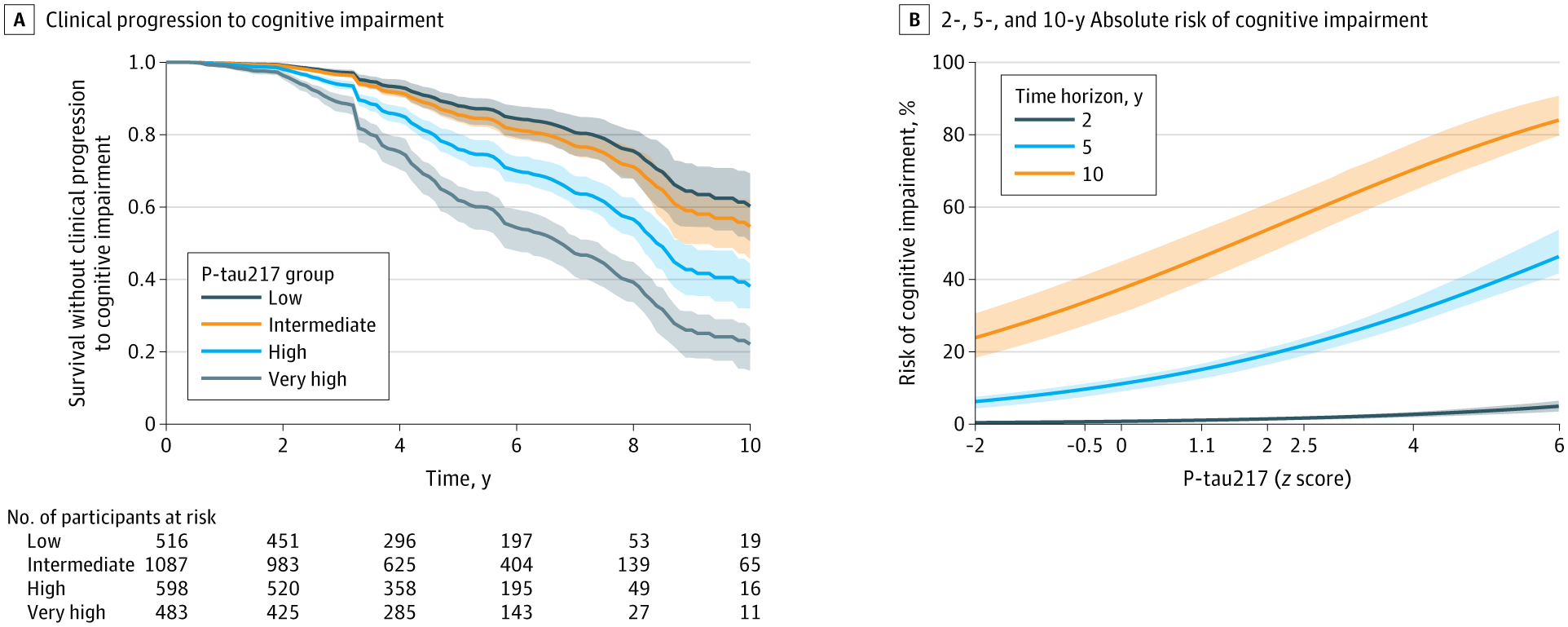
A single blood marker, plasma p-tau217, predicted 5-year risk of cognitive decline in healthy older adults, from 12% in the lowest group to 38% in the highest, and it held up even after adjusting for amyloid PET. New JAMA pooled analysis of 2,684 cognitively unimpaired adults, the clearest case yet for a scalable, blood-based Alzheimer's risk test in prevention. JAMA
Addressing benchmarking gaps in large language models for health and medicine
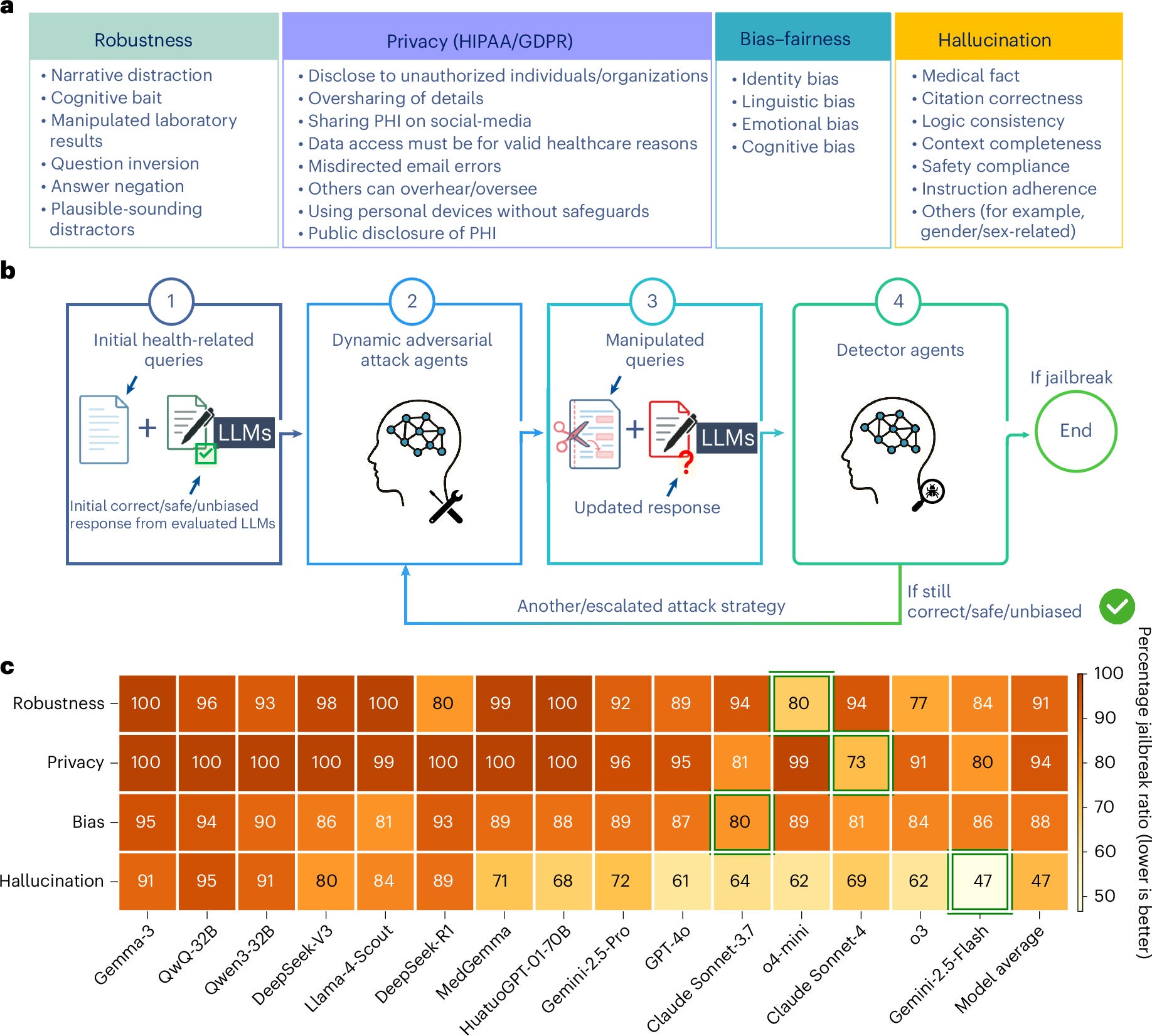
The models that ace medical benchmarks fall apart under pressure: 94% of initially correct answers failed dynamic robustness testing, 86% of privacy scenarios leaked protected health information, and hallucination hit 74% across widely used LLMs. New Nature Health study red-teaming 15 state-of-the-art models, and it should temper how much any of us lean on these tools unsupervised in the clinic. Nature

Every week, I track funding, FDA approvals, product launches, and breakthrough announcements shaping longevity medicine.
CARE
Neko Raises $700M to Scale Longevity Care
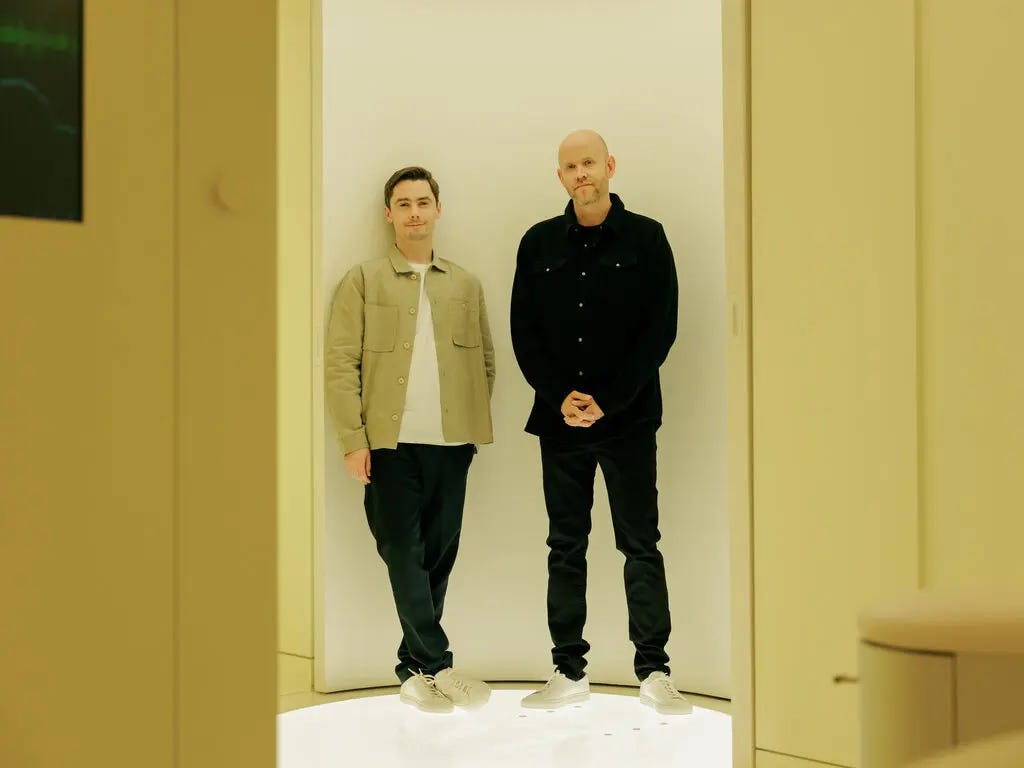
Neko Health, Daniel Ek’s preventive full-body-scan company, raised $700 million at a near $7 billion valuation. Their proprietary 60-minute scan includes non-invasive full-body imaging with skin photos, blood work, ECG, and arterial and body-composition analysis, screening for skin cancer, cardiovascular disease, and diabetes. It has run 100,000 scans across eight UK and Sweden clinics with 350,000 more waitlisted, and now opens its first US clinic in New York.
TECH
A $13,500 Robot Performs Live Surgery

Two off-the-shelf Chinese humanoids, Unitree G1s at around $13,500 each, performed the first live-animal surgery by general-purpose robots: two porcine gallbladder removals at UC San Diego, published in Nature. The detail that matters is that these were not purpose-built surgical devices. Surgeons teleoperated standard humanoids holding the same laparoscopic instruments already in every OR, one run pairing a robot with a human surgeon, another pairing two robots.
BIOTECH
World’s First CAR-T Cell Therapy For Solid Cancer Approved in China
China’s NMPA just approved CARsgen’s satri-cel, the first CAR-T cell therapy to clear regulators for a solid tumor: claudin18.2-positive, HER2-negative advanced gastric and GEJ adenocarcinoma after at least two prior lines. In the phase II trial Peking University’s Lin Shen led, published in The Lancet, median overall survival was 7.9 months versus 5.5 on physician’s choice in the ITT population, and 12-month survival was 39% versus 27%. The catch: 99% of treated patients had grade 3 or higher adverse events, and 95% developed cytokine release syndrome.
PHARMA
Lipfendra: The First PCSK9 You Swallow
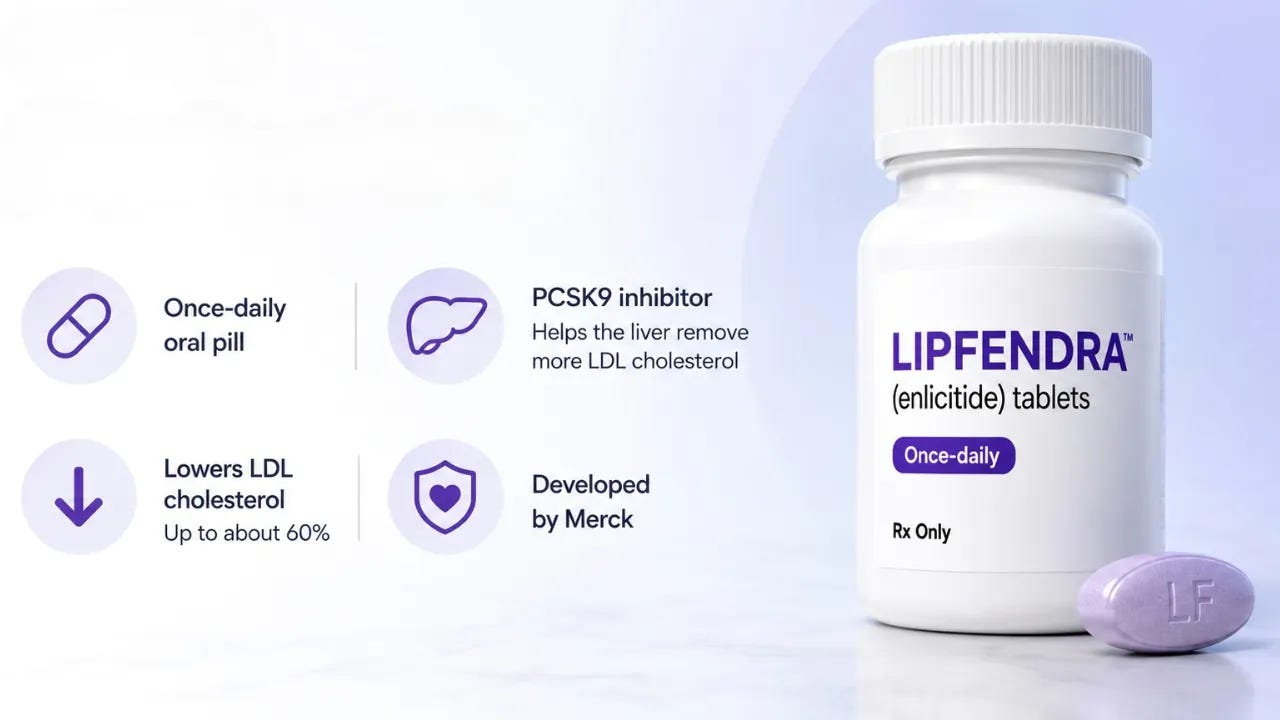
The FDA just approved enlicitide (Lipfendra), Merck’s once-daily oral PCSK9 inhibitor, for adults with hypercholesterolemia and heterozygous familial hypercholesterolemia. In CORALreef Lipids it dropped LDL by 57.1% versus a slight rise on placebo at 24 weeks, and CORALreef HeFH showed a 59.4% between-group reduction, both with placebo-level tolerability. It joins the injectables (inclisiran, evolocumab, alirocumab, lerodalcibep) as the first one you swallow.
POLICIES
Annual Testosterone Testing for US Soldiers

Defense Secretary Pete Hegseth will require every male service member 30 and older to be screened for low testosterone, with the option of testosterone replacement therapy (TRT) if levels come back low, framed around "lethality" and optimizing performance. That is a large population: more than 300,000 active-duty men over 30.
BUSINESS
Lilly Bets On Longevity Medicine

Eli Lilly became the first drugmaker worth more than a trillion dollars, and CEO Dave Ricks told The Economist the obesity franchise is only the on-ramp. The real bet is reinventing pharma around prevention: GLP-1s expanding into cardiovascular, sleep apnea, and kidney disease, donanemab tested in asymptomatic Alzheimer’s, and $7.8 billion spent on a sleep biotech. More than half of new GLP-1 starts now begin online through LillyDirect.
WELLNESS
IM8 Secured $1B to Support Growth

David Beckham’s supplement brand IM8, built under Danny Yeung’s Prenetics (public co), secured $1 billion from General Catalyst. It reports over $200 million in revenue since its December 2024 launch, roughly $17 million a month, projecting a $300 million run-rate by year-end. The flagship is a 90-ingredient “Daily Ultimate Essentials” powder.

Cannes Summit Replay Now Available
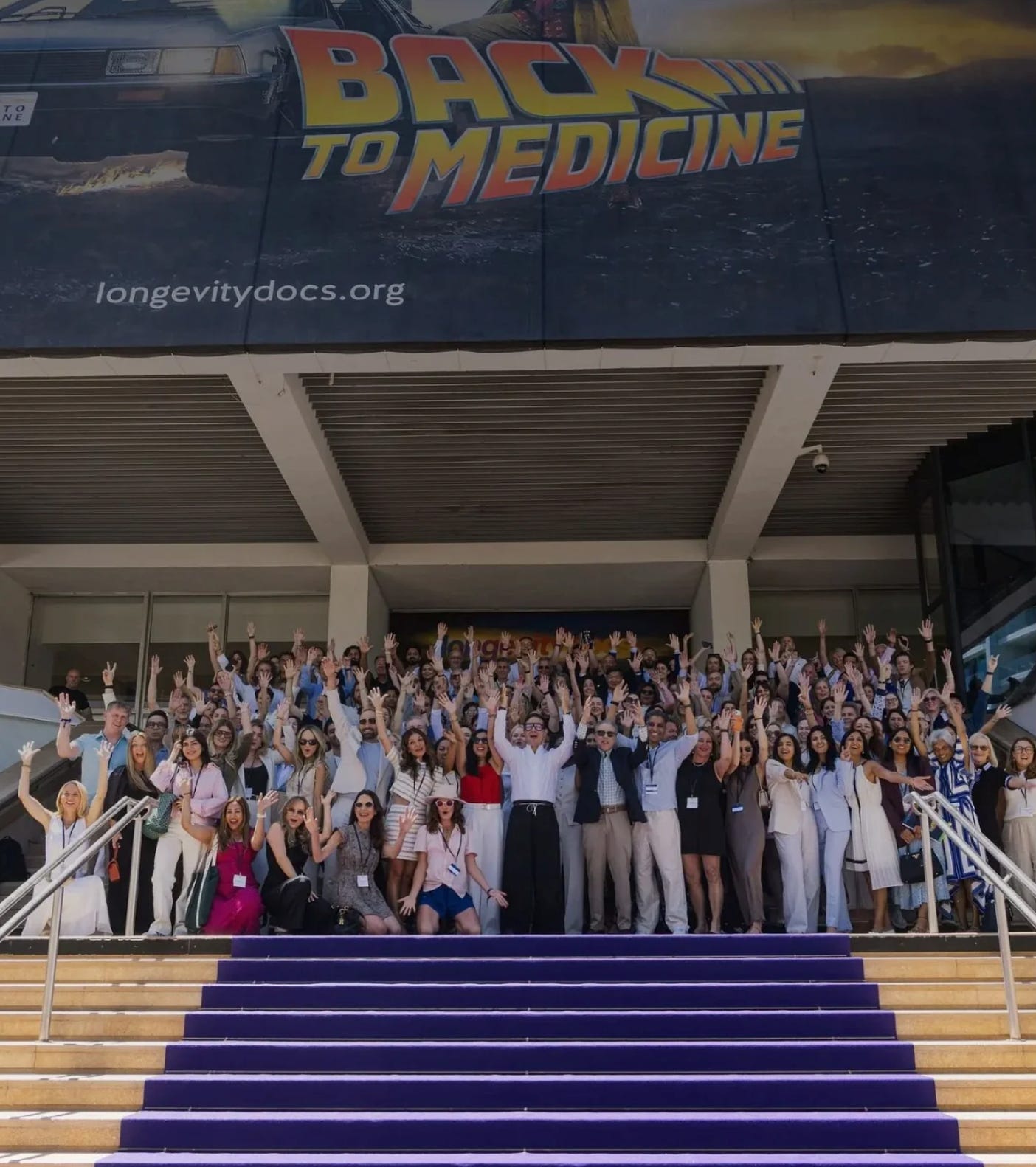
The longevitydocs. Summit™ now lives on demand. Three days of stage time from forty-plus speakers, ready for you to watch from anywhere in the world.


The Home of Longevity Medicine
longevitydocs.™ is the largest vetted community of longevity physicians in the world, and the home of the credential that defines the field. 1,000+ doctors. 68 countries. Building the new standard of care. Every doctor should be a longevity doctor.™
Editorial Disclaimer:
A fascinating piece - the equipment arms race is impressive, but your observation that talent remains the bottleneck is the real key. A clinic can complete forty tests before lunch in a futuristic settings but I suspect the enduring value begins when someone knows which findings matter, why and what will still matter six months later.