


Hey Doc,
Just back from ARDD in Boston, and glad to share what I learned for our fellow scientists about where medicine is going.
Meanwhile, we have been building a home for the voices of longevity medicine: the people working in the labs, treating patients, changing policy, building technology, and educating the field.
Today it goes live. longevitydocs™ News, every day at news.longevitydocs.org.
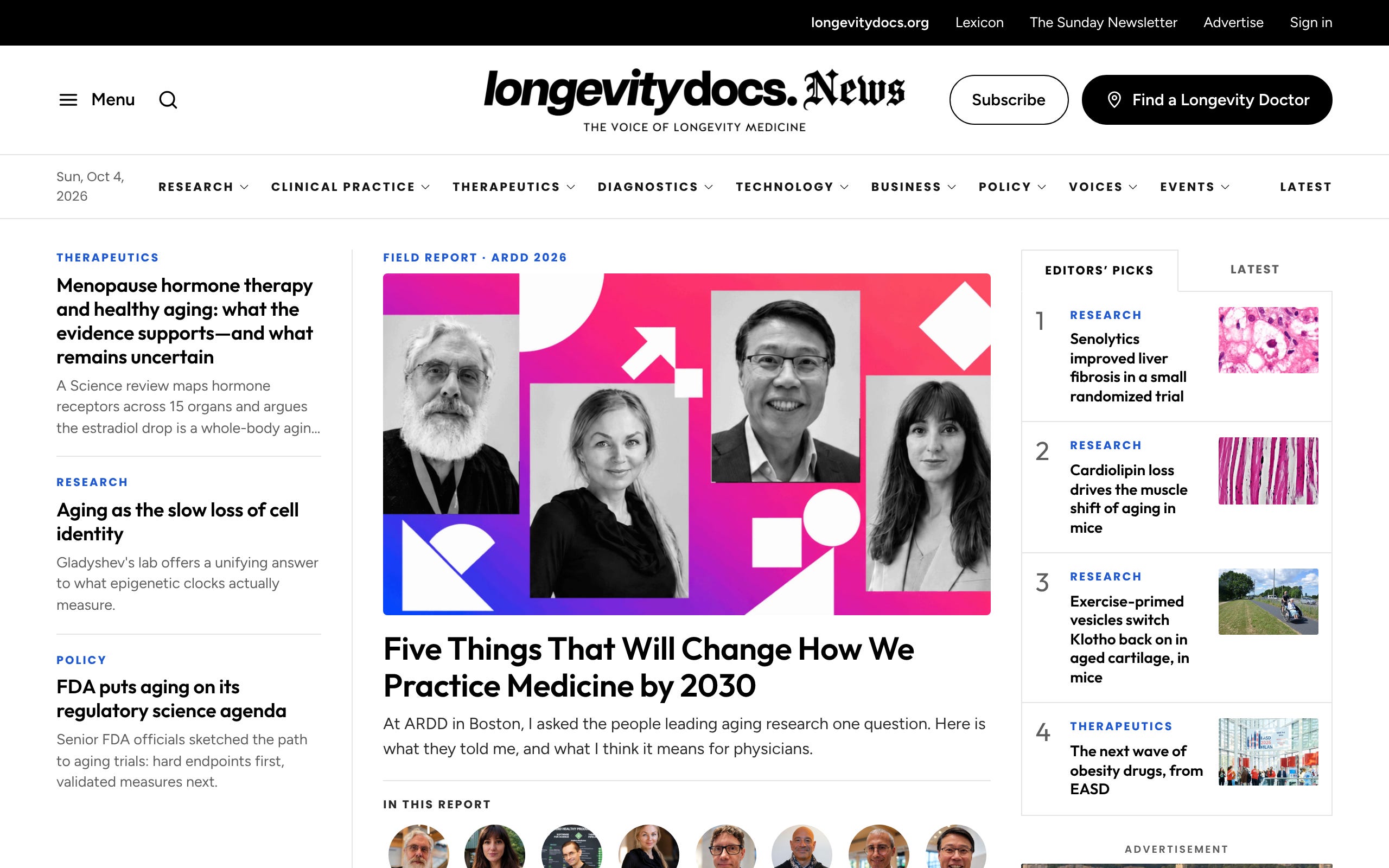
Who it’s for. Physicians practicing or moving into longevity medicine first. Researchers, health systems, founders and investors who need to know what is real are welcome too.
What you get.
The day’s evidence, read for practice. Research, therapeutics, diagnostics, technology, business and policy, each with what it changes in clinic.
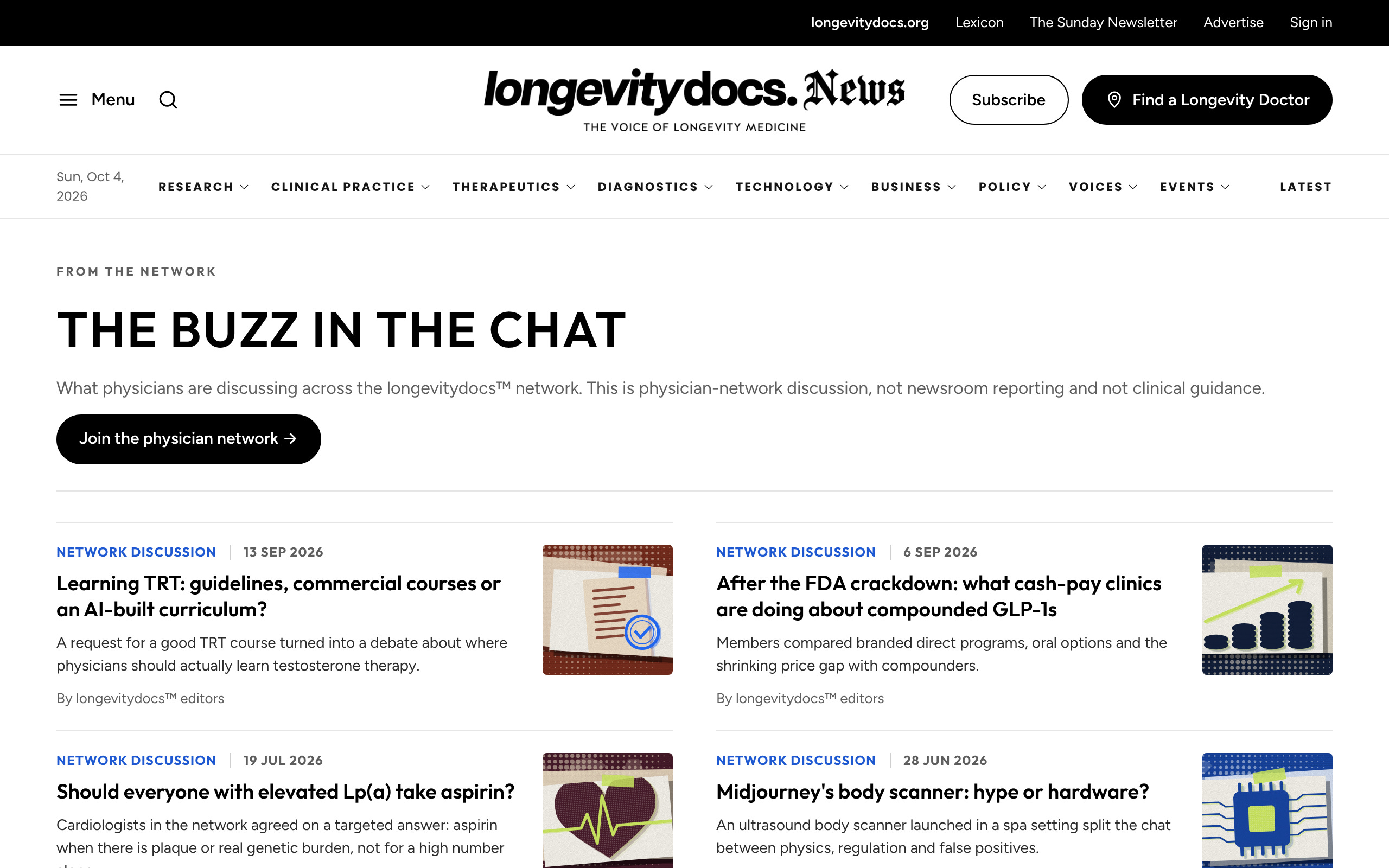
The Buzz in the Chat. The best debates from our physician network, now in the open.
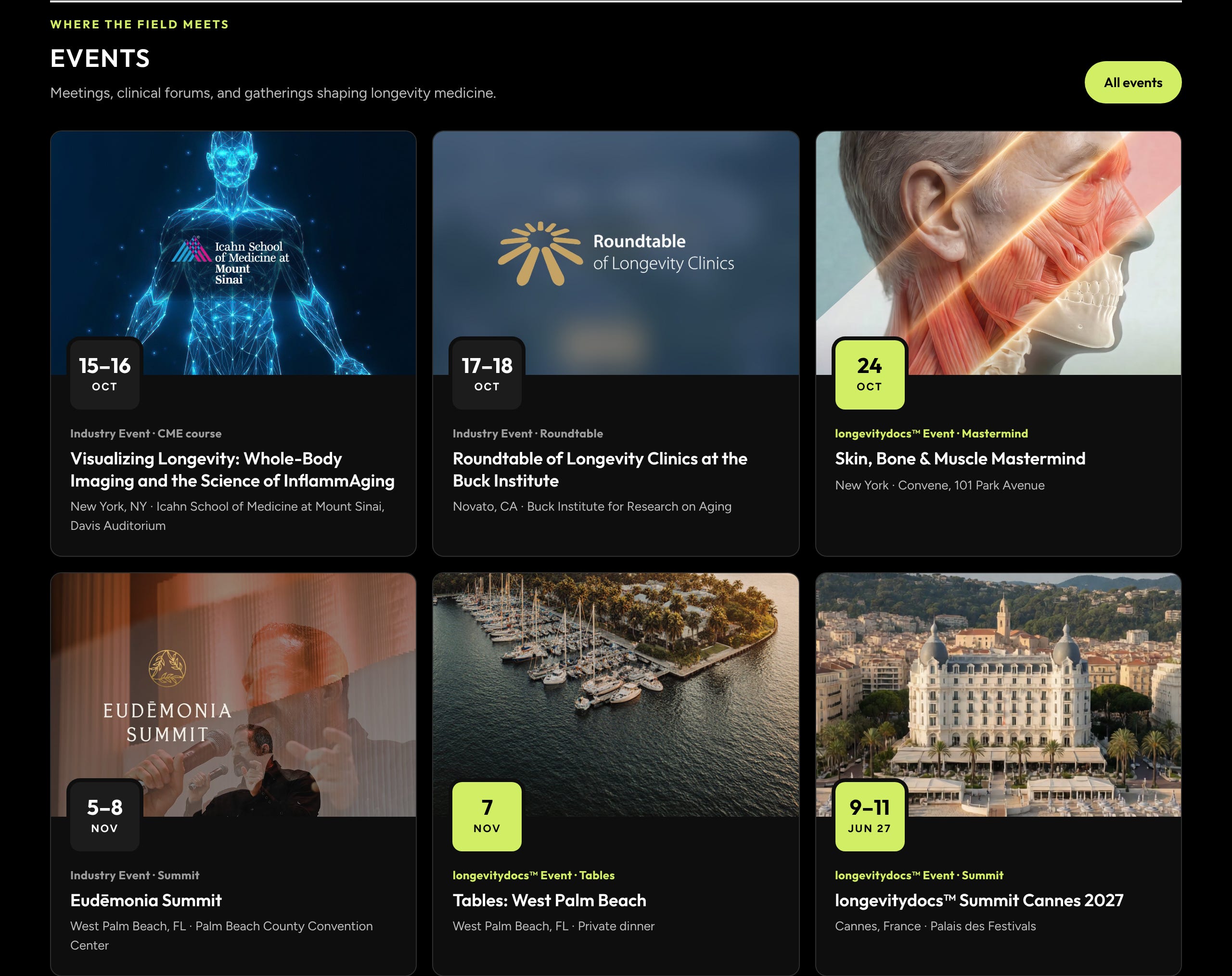
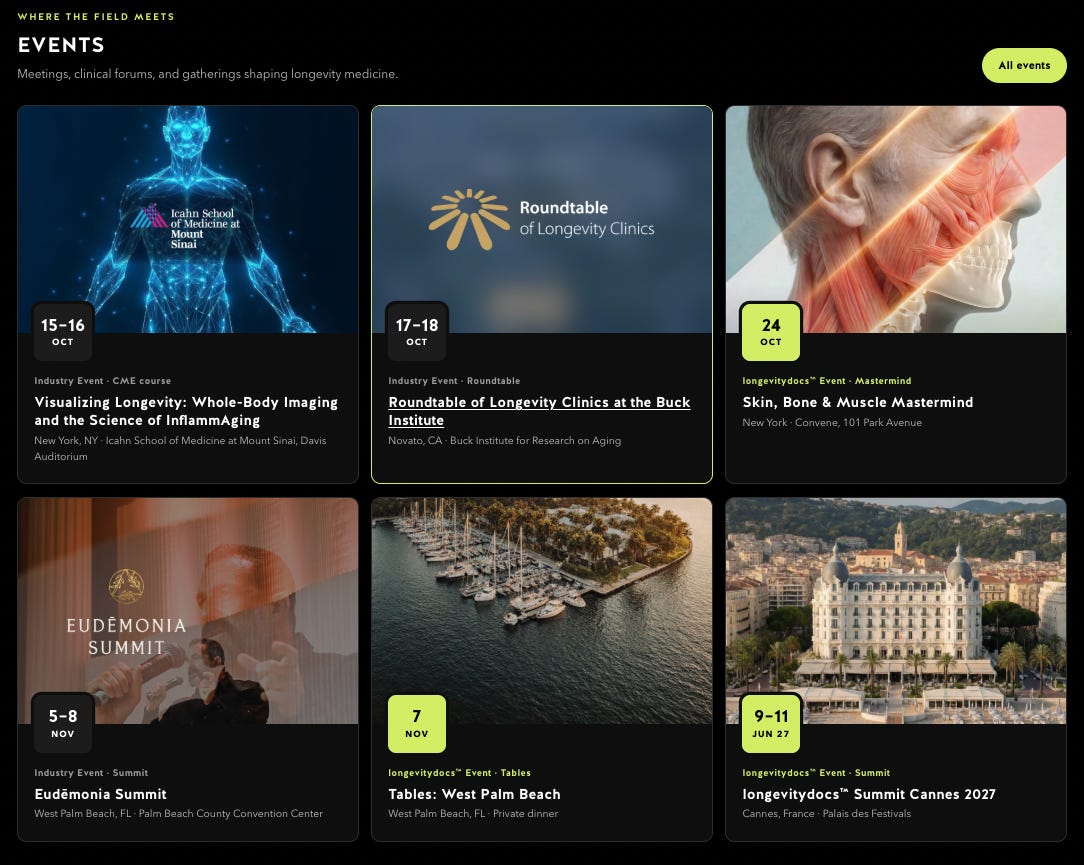
Events. Not just ours. We now list the industry meetings worth your time, from Mount Sinai’s imaging course to the Buck Institute roundtable and Eudēmonia, alongside our Mastermind, Tables and Cannes 2027. One calendar for the field.
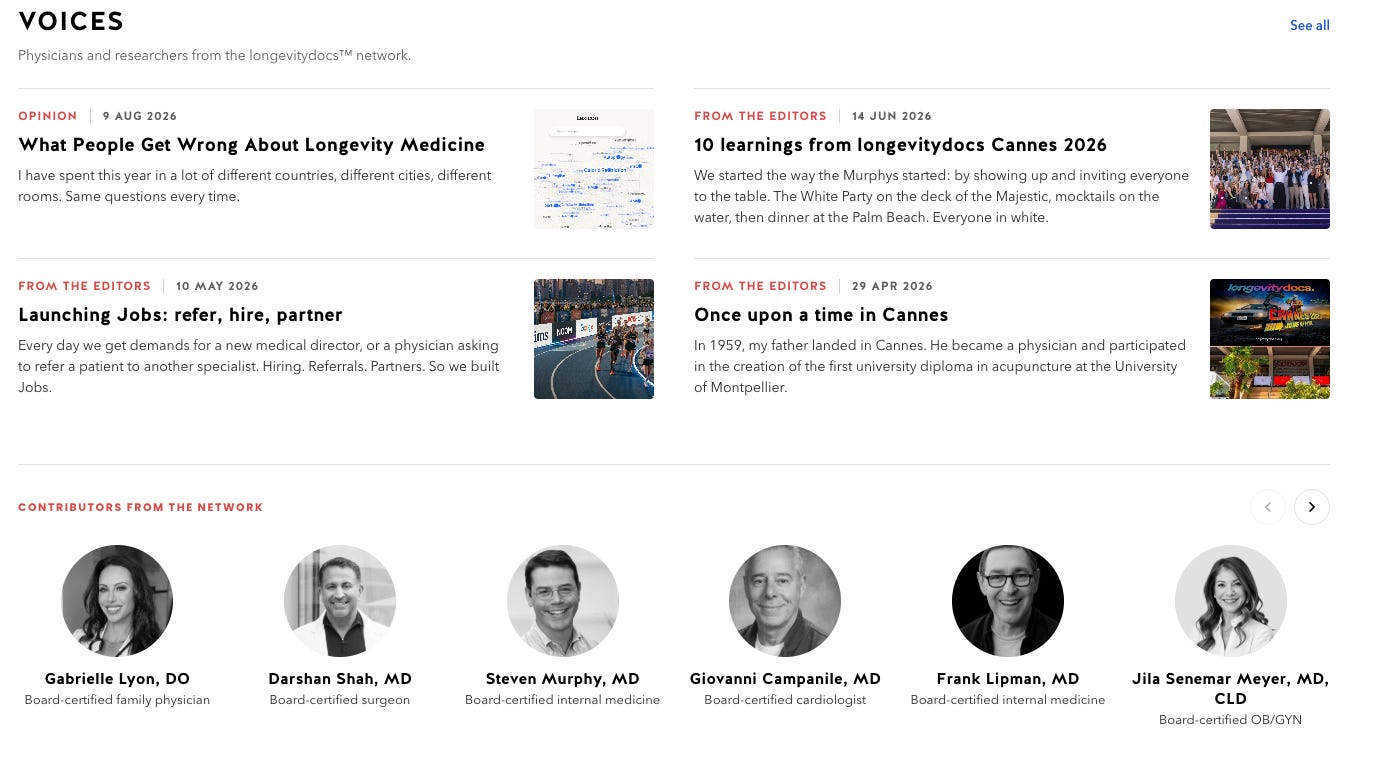
Voices. We will invite leaders in longevity medicine to share commentary, opinions, articles and reviews. My ARDD notes open the section: Five Things That Will Change How We Practice Medicine by 2030.
The Sunday Newsletter stays right here. Now you have something to read the other six days.
As always, happy Sunday evening!
Dr. David Luu, Founder, longevitydocs™

Five Things That Will Change How We Practice Medicine by 2030
At ARDD in Boston, I asked eight of the people leading aging research what will change medicine in the next four years. Here’s what they told me, and what I think it means for your practice.
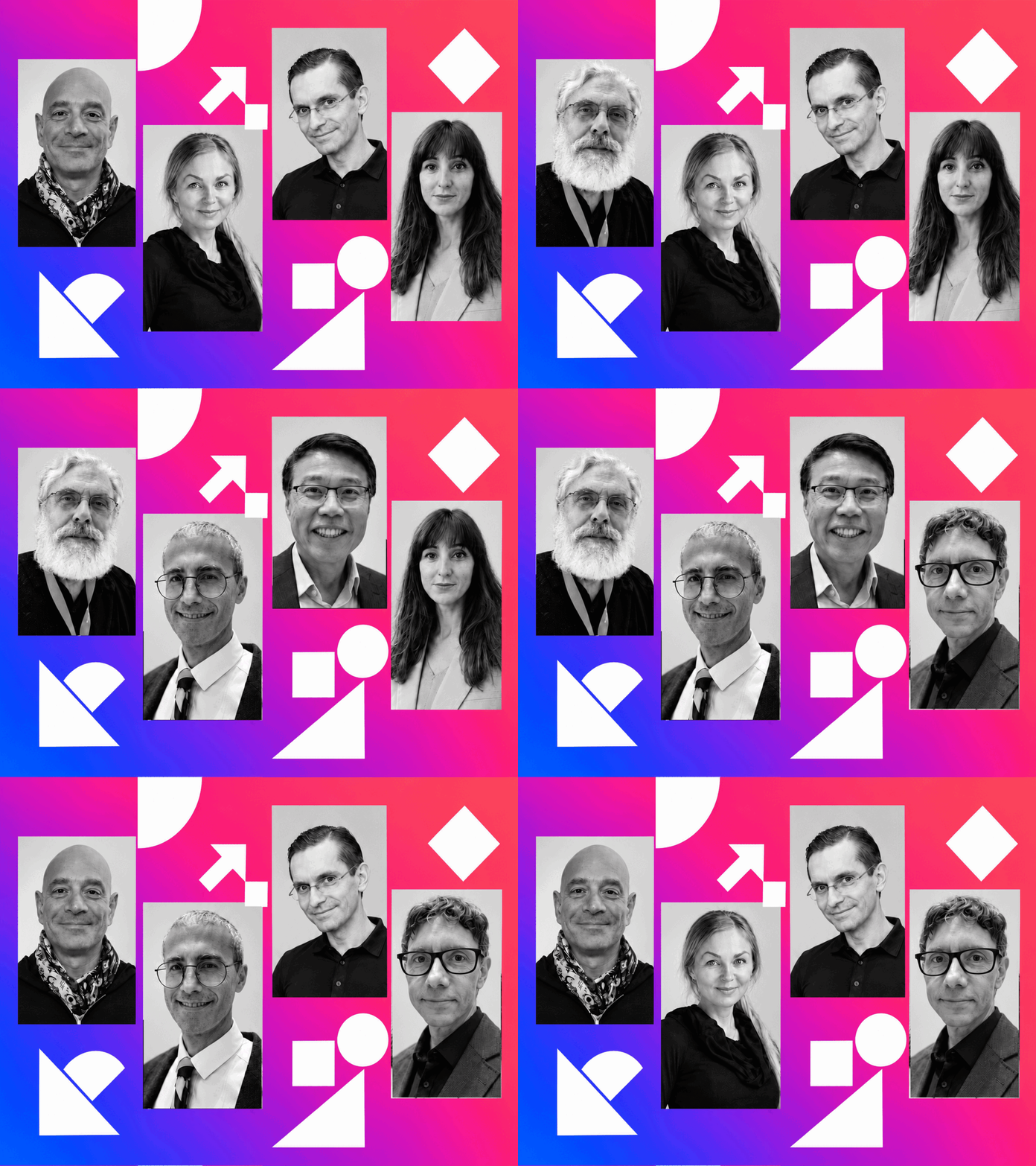
I just spent two days at ARDD in Boston, away from its traditional home in Copenhagen. I went with one question: how will aging research change the way we practice medicine?
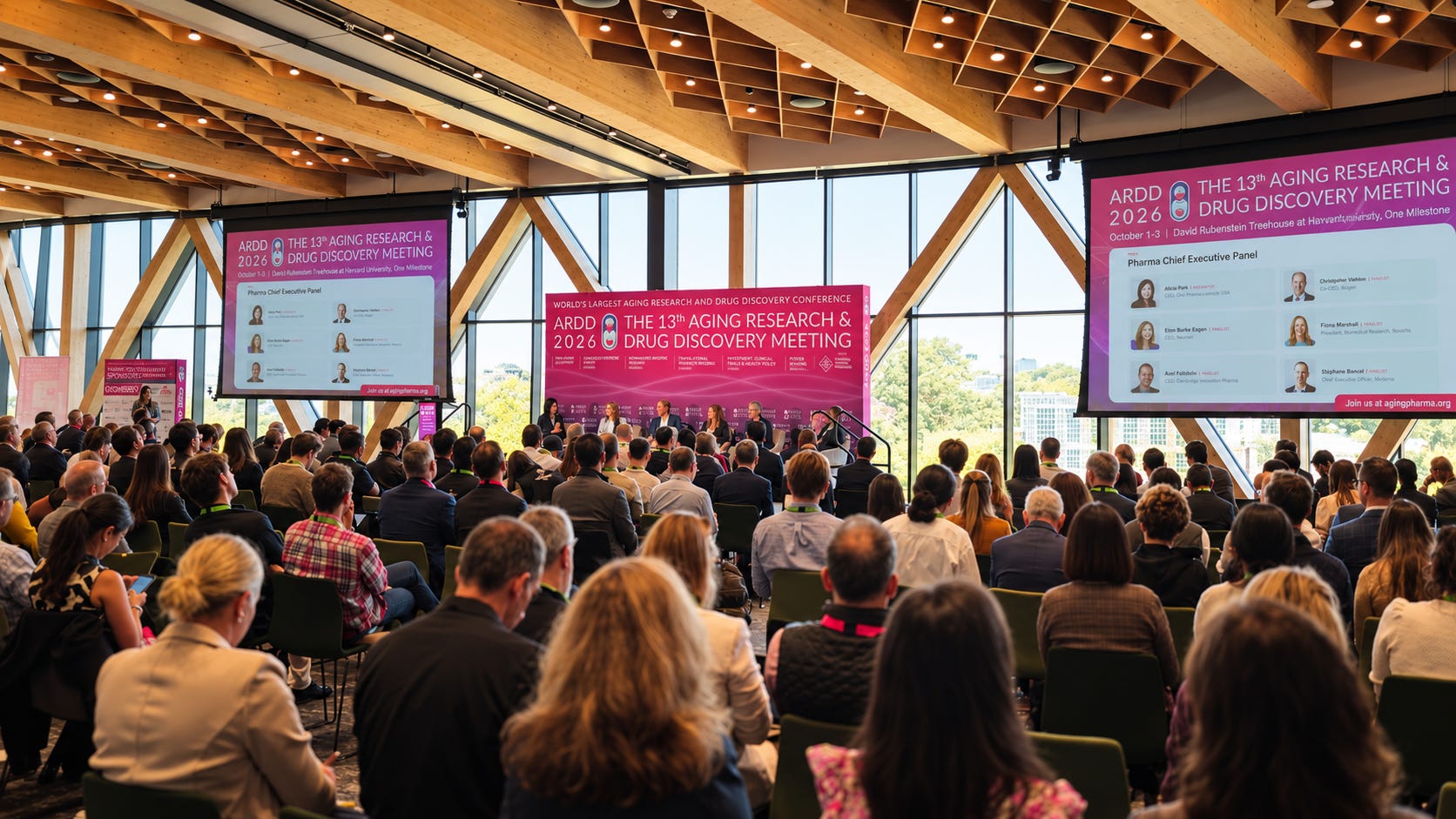
The people in the room answered part of it. HHS, ARPA-H and the FDA. Lilly, Novartis, Moderna and Novo Nordisk. Mayo Clinic, Sheba, Atria and Human Longevity. Five years ago this was a basic science meeting. This year regulators, pharma and health systems sat in the same sessions and asked the same questions.
So I asked the leading researchers and leaders directly: what are you working on that will change how we practice medicine by 2030?
Eight of them answered: Jamie Justice, David Barzilai, Wei Wu, Steve Horvath, George Church, Alex Zhavoronkov, Evelyn Bischof, and Zahi Fayad. Their answers point to five shifts.
1. Multiomic mapping of each patient
Today most workups start with a lipid panel, an HbA1c and maybe a CAC score. By 2030, many patients will start with a full biological map: genome, proteome, metabolome, epigenetic age and imaging, read together instead of one test at a time.
The science isn’t new. The price is. Tests that were research tools five years ago are now commercial products, and they keep getting cheaper.
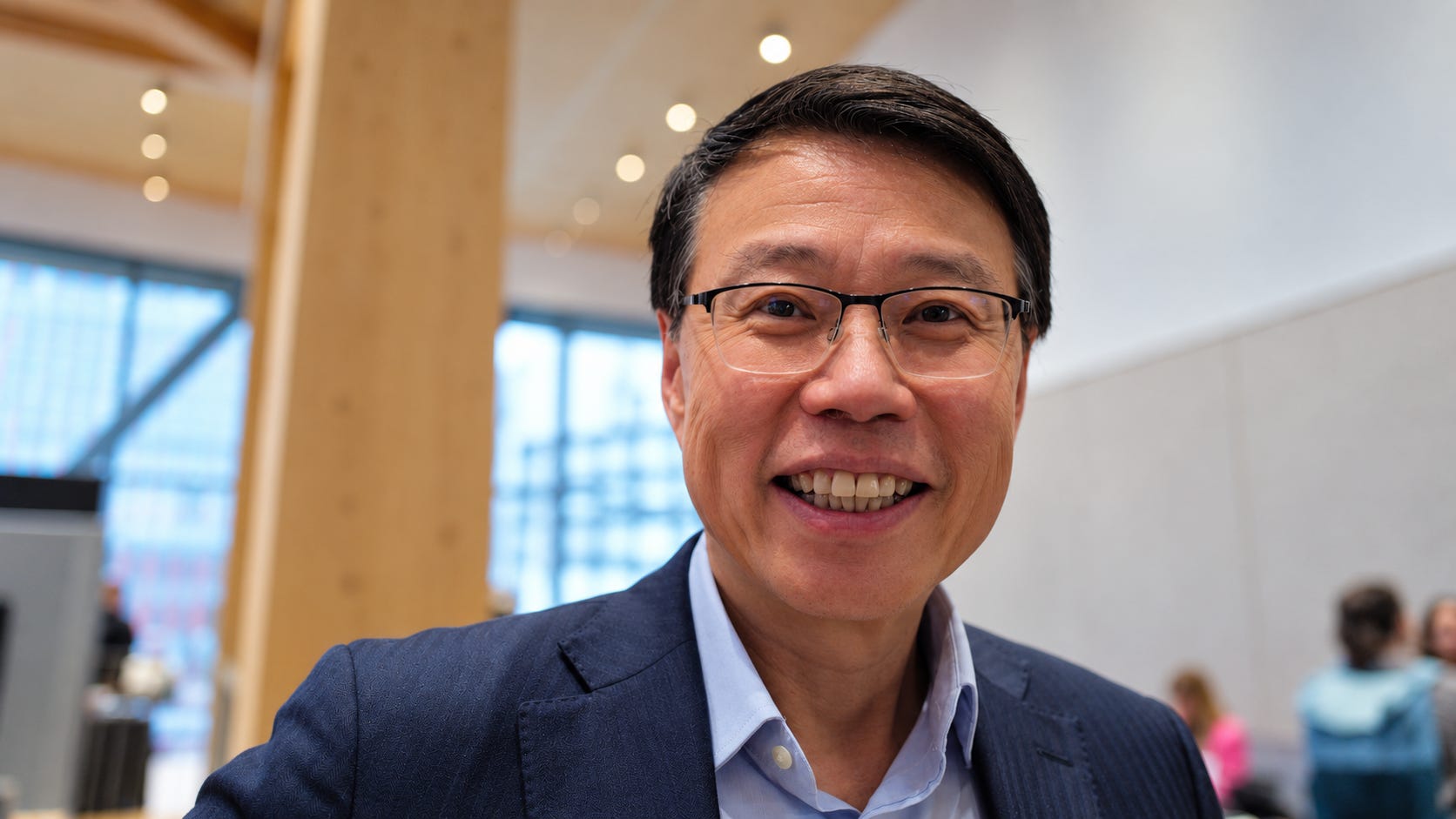
“The genome went from $3 billion down to $600 for your whole life. And all the other collections, like proteomics, are going to become cheaper and cheaper.”
Wei Wu, PhD, CEO, Human Longevity
My view: cost is no longer the barrier. Interpretation is. A patient who arrives with a genome, a proteomic panel and three epigenetic clocks needs a physician who can tell them which findings matter, which are noise and which change nothing. Most of us weren’t trained for that. That gap is the opportunity for physicians who learn this now.
2. AI that reads the data
A full multiomic profile isn’t something a person can read. It’s thousands of variables interacting. Nearly every guest came back to this point. AI isn’t a separate trend. It’s what makes the first shift usable.
“Historically, to analyze 20 terabytes of data was almost impossible for a physician. But today, with AI, that is becoming easier and easier. All that knowledge is going to be at the fingertips of every human being on Earth.”
Wei Wu, PhD
AI is also changing how drugs are discovered. Alex Zhavoronkov runs systems that never stop working:
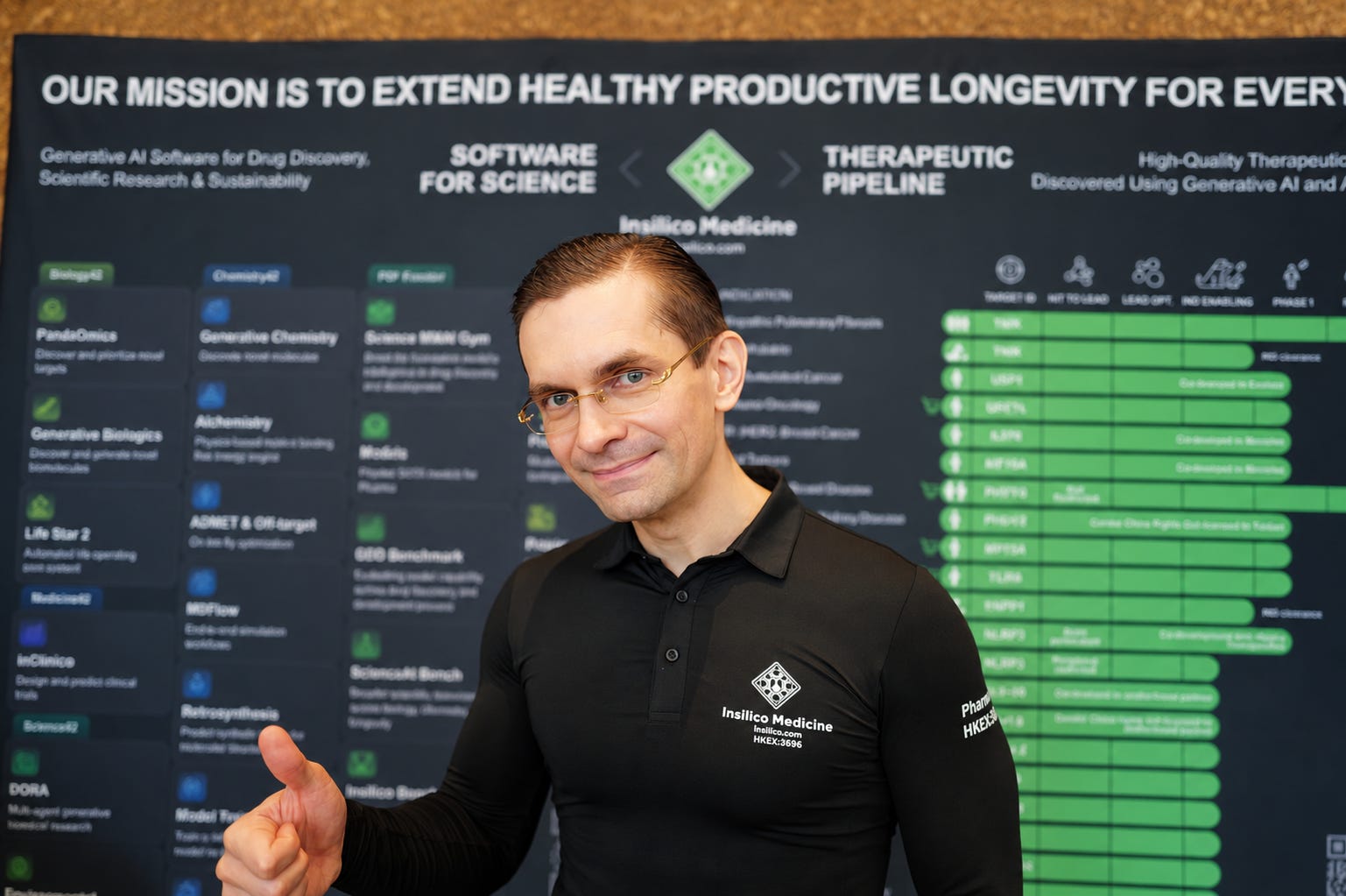
“We have long-running agentic frameworks that allow you to have always-on, 24/7 agents that will perform drug discovery tasks, aging research tasks and even clinical operations tasks. I think that will have massive impact in the short term.”
Alex Zhavoronkov, PhD, founder and CEO, Insilico Medicine
My view: AI won’t replace clinical judgment, but it will decide which signals reach the physician. In practice, that means AI will flag the three findings out of three thousand that deserve a conversation. Physicians who learn to question and check those outputs will see more and miss less. Those who don’t will be handed conclusions they can’t evaluate. Note Wu’s last line: the knowledge reaches the patient too. Your patients will arrive with AI-generated interpretations. Your job is to be the trusted second read.
3. Continuous monitoring with wearables and biomarkers
Medicine still runs on snapshots: a yearly physical, a lab draw, a scan. Biology changes every day. The next shift is from snapshots to a continuous view, through wearables, repeated molecular measurements and new aging clocks.
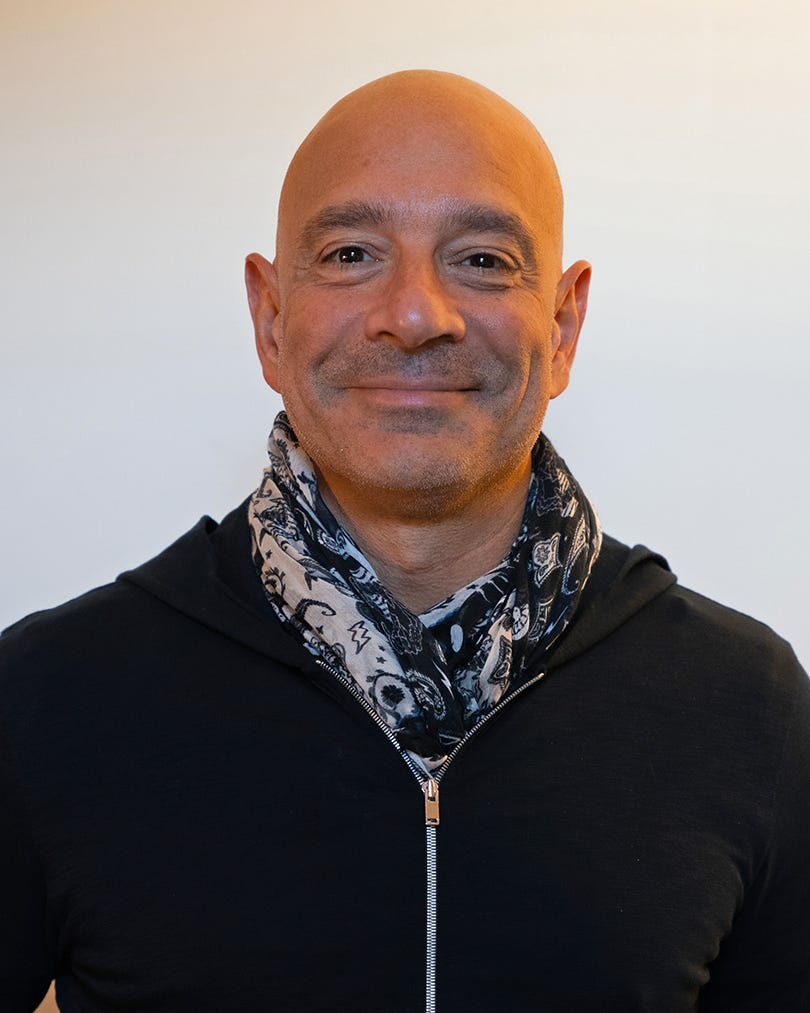
“By 2030, I expect wearables and molecular measurements to give us a much clearer picture of how each person’s health is changing.”
Zahi Fayad, PhD, director, BioMedical Engineering and Imaging Institute, Mount Sinai
Steve Horvath, who built the first epigenetic clocks, is working on the measurement layer:
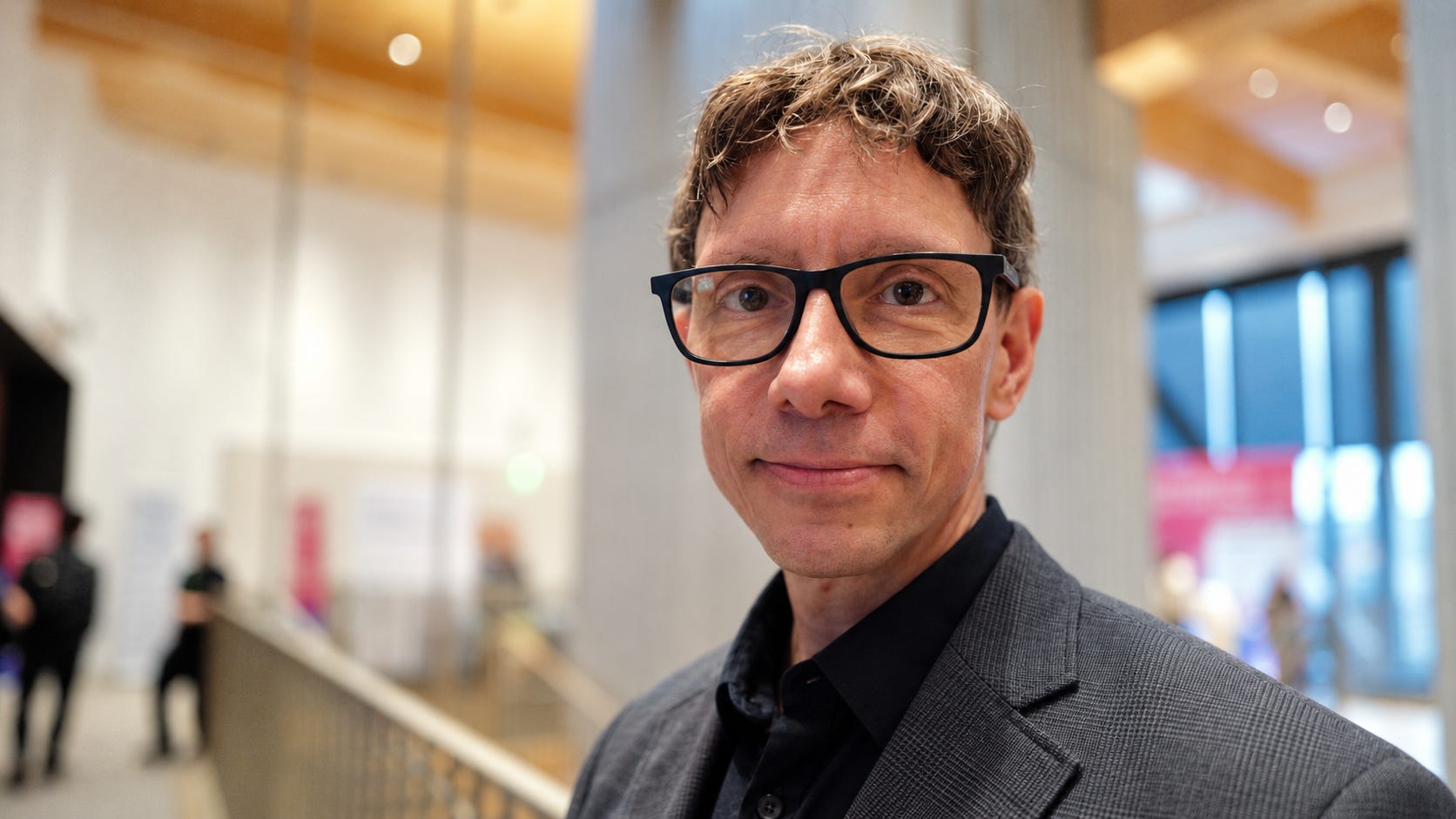
“I’m very excited about new generations of aging clocks. My wheelhouse are methylation clocks. I’m very excited about proteomic measures, metabolomics, imaging. So there’s a real revolution, perhaps for diagnostics, and also to help find dosages.”
Steve Horvath, PhD, ScD, Altos Labs and UCLA
But one caveat came up in almost every conversation, and David Barzilai stated it most clearly:
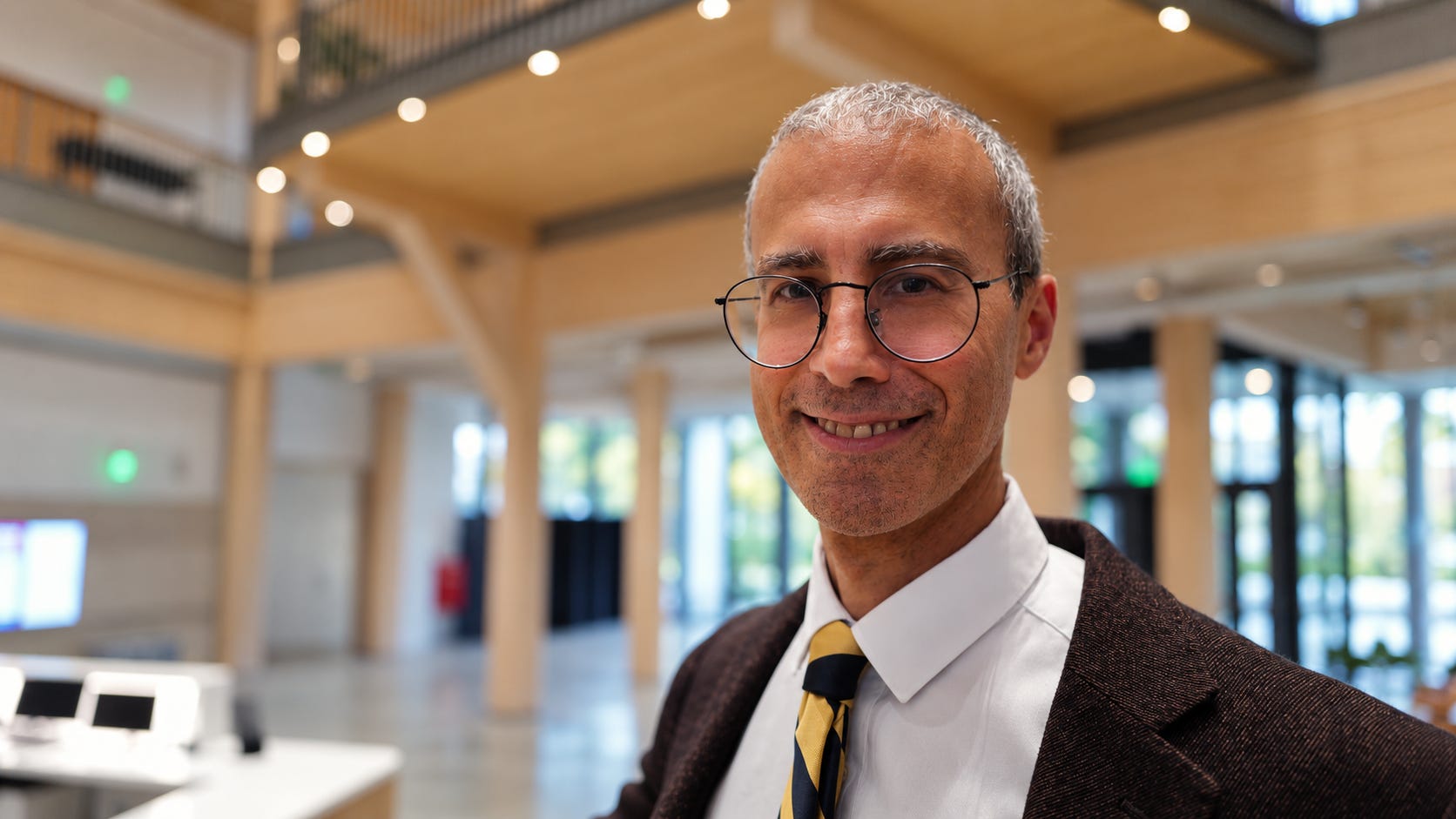
“What most people aren’t thinking about for greatest innovation is biomarkers of aging. These are validated for populations, not yet for people. And when we have them with sufficiently high reliability for people, it’ll be a game changer for individuals and also for shorter-term trials.”
David Barzilai, MD, PhD, co-editor, Frontiers of Longevity Science
My view: this is the most important point in the piece. Continuous monitoring is only as good as the biomarkers behind it. A clock that is accurate across 10,000 people can still be wrong for the one patient in front of you. Until aging biomarkers are validated for individuals, use them to follow a trend in the same patient over time, on the same test, not as a verdict on a single draw. Tell your patients this directly. It builds trust, and it protects you when the next clock disagrees with the last one.
Barzilai’s second point matters for the whole field. Reliable biomarkers would shorten clinical trials, because researchers could see whether a drug slows biological aging without waiting a decade for hard outcomes. Every other shift depends on this one.
4. Prevention and earlier intervention
Once you can map a patient and track how that map changes, you stop waiting for disease to show up. You act when the trajectory bends, not when the diagnosis arrives.
“The goal is to intervene earlier and help people maintain their strength, cognition and independence.”
Zahi Fayad, PhD
Evelyn Bischof describes the clinical model that follows:
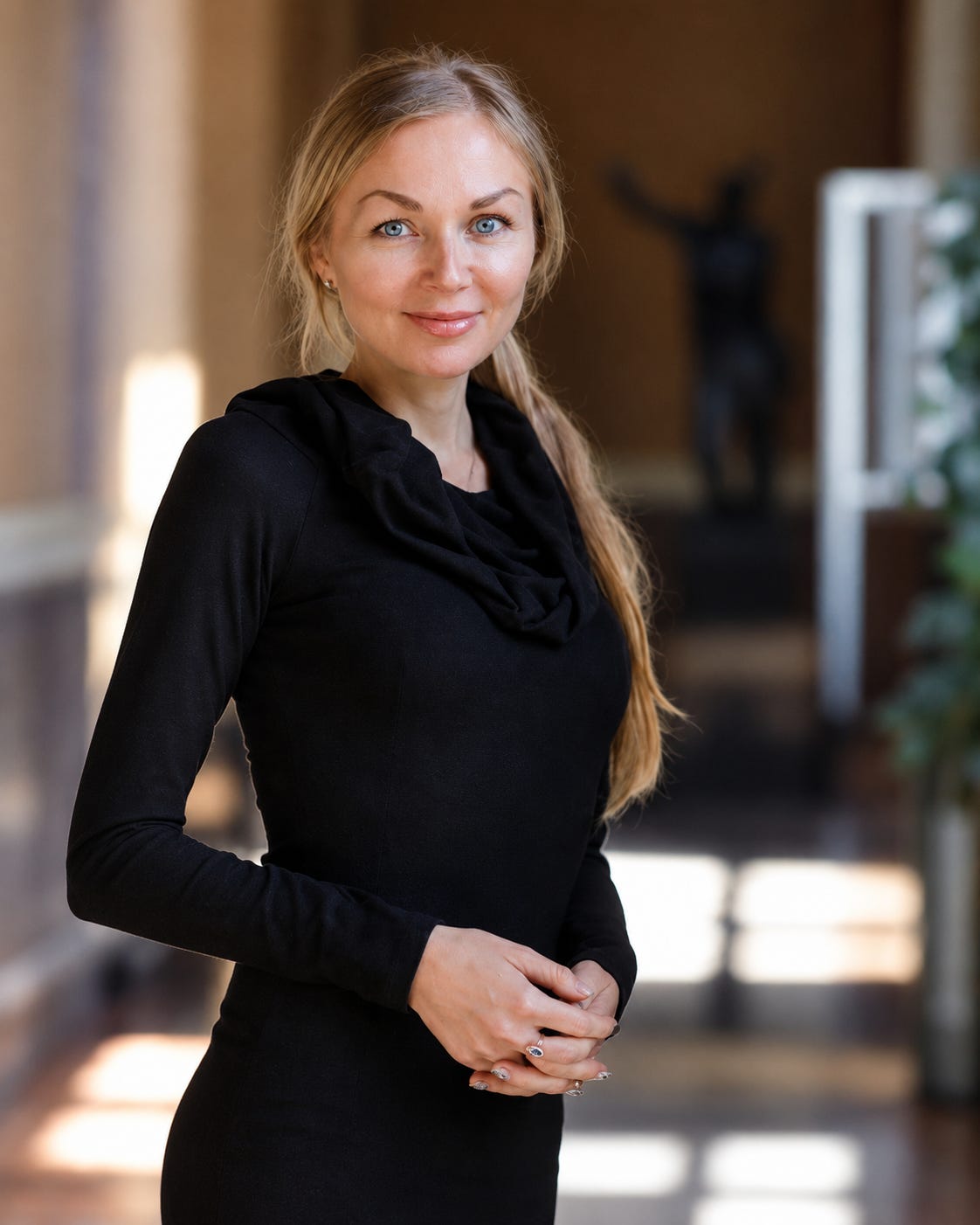
“To make longevity medicine a truly actionable medical discipline by 2030, we need to upscale its evidence base now. The next generation of medicine must be adaptive: continuously measuring biological change, intervening, learning from individual responses, and recalibrating therapy in real time.”
Evelyn Bischof, MD, PhD, MPH
The research world is measuring the same outcomes. XPRIZE Healthspan is testing whether therapies can preserve function in older adults:
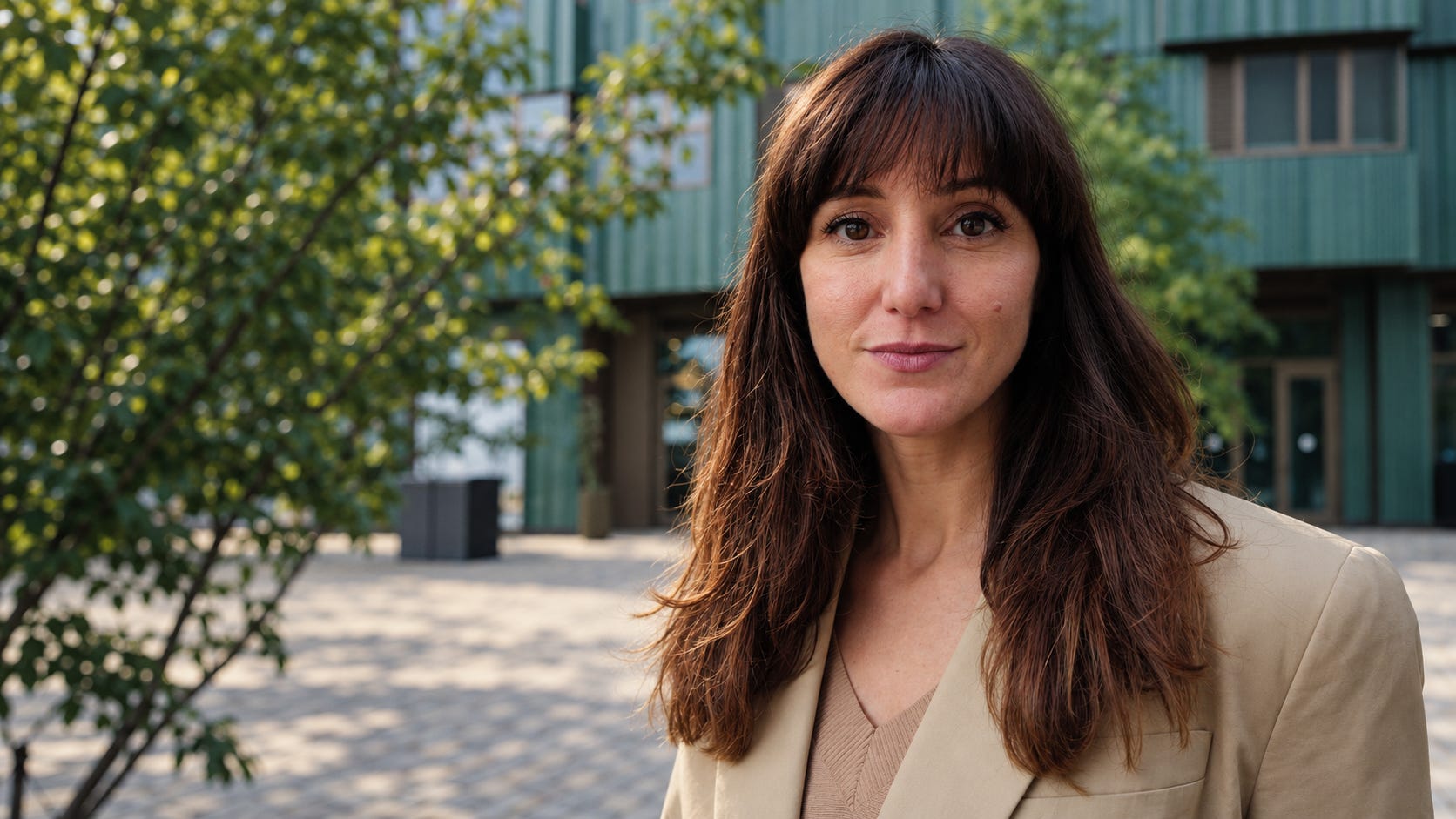
“We have teams right now running their final trials. They’re going to see if their therapeutic can change muscle, cognitive and immune function through clinical trials in older adults. Those are all going to wrap up in 2030, and we’ll be announcing our global winner.”
Jamie Justice, PhD, XPRIZE Healthspan
My view: prevention has always been medicine’s promise and rarely its practice, because we had no tools to see risk early or a care model to act on it. That is changing. Look at the outcomes everyone named: strength, cognition, independence. Not lab values. Function. Define success with your patients in those terms. Measure grip strength, gait speed, VO2 max and cognition the way you measure LDL. That’s prevention patients can feel.
5. Precision therapies that target aging and disease
The last shift is in what we prescribe. The first aging therapies probably won’t be called aging drugs. They’ll be drugs we already know, or are developing for disease, that turn out to act on aging biology too.
“Everyone talks about GLP-1. I think we will have the answer within a year or two. But the big question is, are these [anti-inflammatories] also geroprotectors?”
Steve Horvath, PhD, ScD
Zhavoronkov is building his pipeline around the same idea:
“In the long term, we have many different therapeutic programs in different stages that have the potential to address aging and disease at the same time. Currently we’re developing them for diseases, but then we want to repurpose them for aging.”
Alex Zhavoronkov, PhD
George Church is working on combinations:
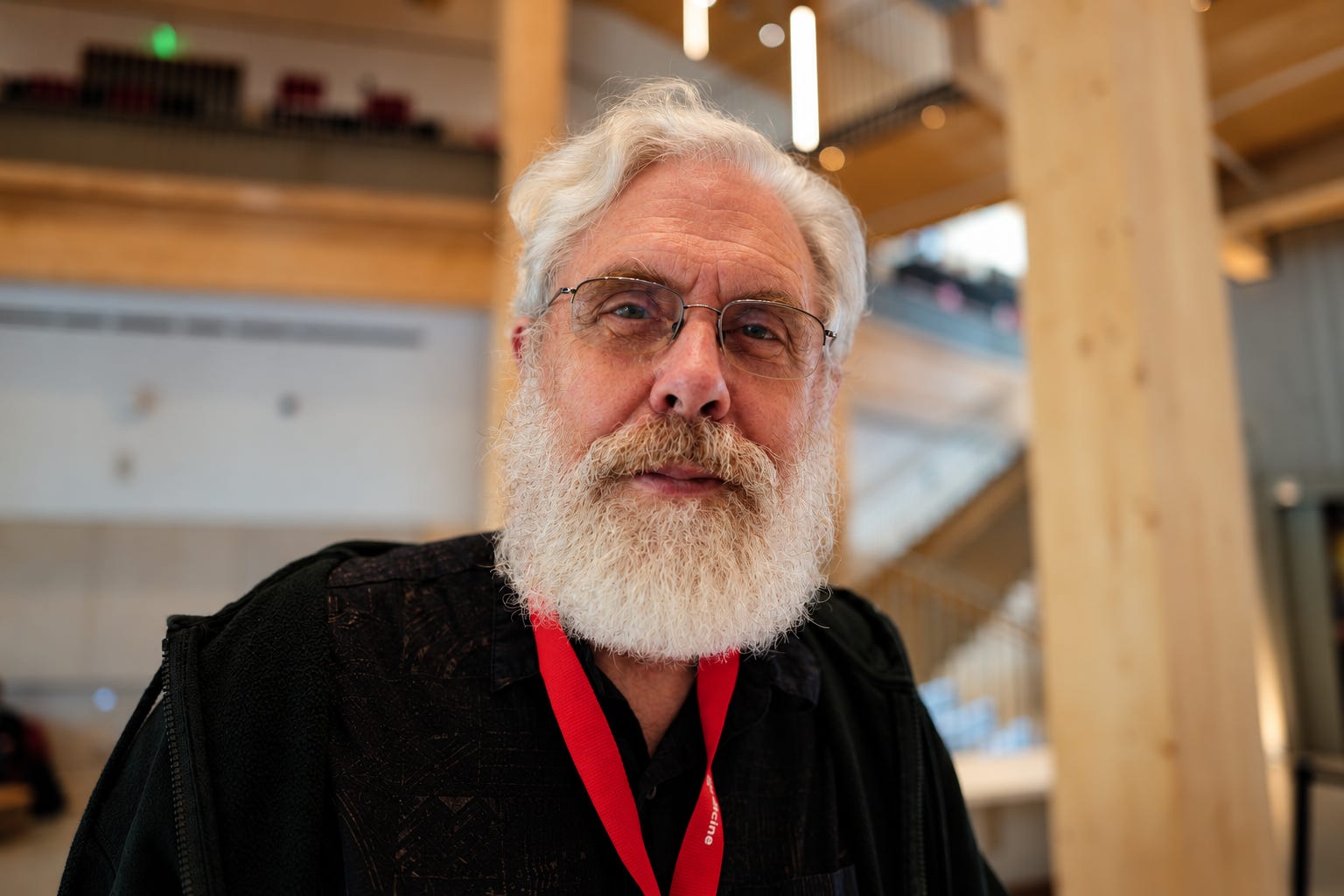
“There are a lot of genes that independently look very promising for age-related diseases. But what if you put them all together? Are they going to add up, or are they going to synergize? A lot of that is going to happen in the next four years at a research level.”
George Church, PhD, Harvard Medical School
My view: this is where hype is most likely, so be careful. Church was candid that approved drugs take longer than four years. In the near term, precision means matching existing drugs to the right patient at the right dose, guided by the measurements in shift 3. The GLP-1 geroprotection data and the NLRP3 trials are the two to follow. They’ll reach your prescribing decisions before most of what was presented at ARDD.
What I’m taking back to my colleagues
For physicians
Map first, then monitor. A baseline is only useful if you repeat it on the same test.
Treat clocks as trend tools, not verdicts, and tell your patients why.
Personalize lifestyle freely, but prescribe only on evidence.
Measure function: strength, cognition and independence, alongside your labs.
Learn to read AI output, because your patients already are.
For industry
Validated biomarkers are the shared bottleneck. Whoever helps validate them shortens every trial that follows.
Develop for disease first and aging second. That’s the regulatory path the field is taking.
Build for continuous data, not annual snapshots.
Bring physicians in early. Nothing changes practice until clinicians trust it.

THERAPEUTICS · HORMONES & MIDLIFE CARE
Menopause hormone therapy and healthy aging: what the evidence supports and what remains uncertain
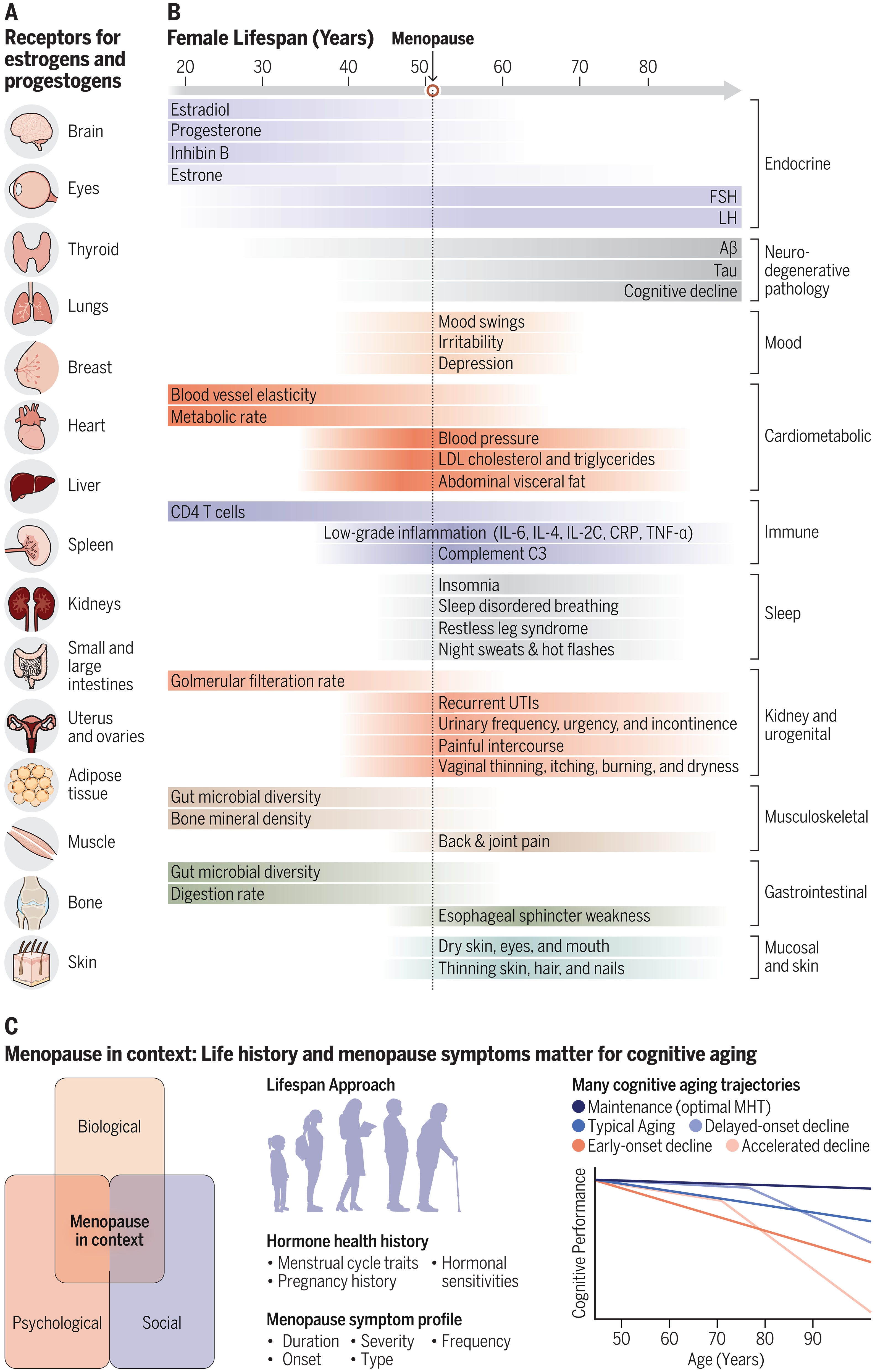
A Science review maps hormone receptors across 15 organs and treats the fall in estradiol as a whole-body aging signal. Its strongest claim, about brain protection, rests mostly on observational data, and randomized trials haven’t shown that hormone therapy prevents dementia. The established indications haven’t changed, but patients will ask about timing.
RESEARCH · BIOLOGY OF AGING
Cardiolipin loss drives the muscle shift of aging in mice

Cardiolipin, a mitochondrial lipid, declines with age, and that loss turns fast muscle fibers slow. Fast fibers are the ones that catch a fall. Restoring the lipid in mice reversed atrophy and prevented premature death. One surprise: the antioxidant NAC made things worse, which is worth telling patients who take many antioxidants.
RESEARCH · CLINICAL TRIALS
Senolytics improved liver fibrosis in a small randomized trial
Dasatinib plus quercetin, given intermittently, improved fibrosis by at least one stage in 47% of patients with fibrotic MASH, compared with 7% on placebo. It’s the strongest human senolytic result this year, and it uses a hard endpoint: paired liver biopsies, not a biomarker. Only 31 patients were enrolled, so watch for the phase 3 rather than prescribing.

Lexicon
Epigenetic Clocks
Biomarkers of aging based on DNA methylation data enable accurate age estimates for any tissue across the entire life course, and these epigenetic clocks link developmental and maintenance processes to biological aging. Classic epigenetic clocks include Horvath's clock, Hannum's clock, DNA PhenoAge, and DNA GrimAge, and they are employed as a practical tool to evaluate the efficacy of age-reversing interventions. Epigenetic clocks comprise a set of CpG sites whose DNA methylation levels measure subject age and are being explored to quantify biological aging rates and test longevity or rejuvenating interventions.
Because DNA methylation and other epigenetic marks are reversible, manipulating them is central to the effectiveness of rejuvenating interventions such as partial reprogramming that aim to delay aging.
An expert consensus on biomarkers of aging identified DNA methylation and epigenetic clocks as an epigenetic-domain biomarker suitable for use as an outcome measure in intervention studies.
Certification Highlight
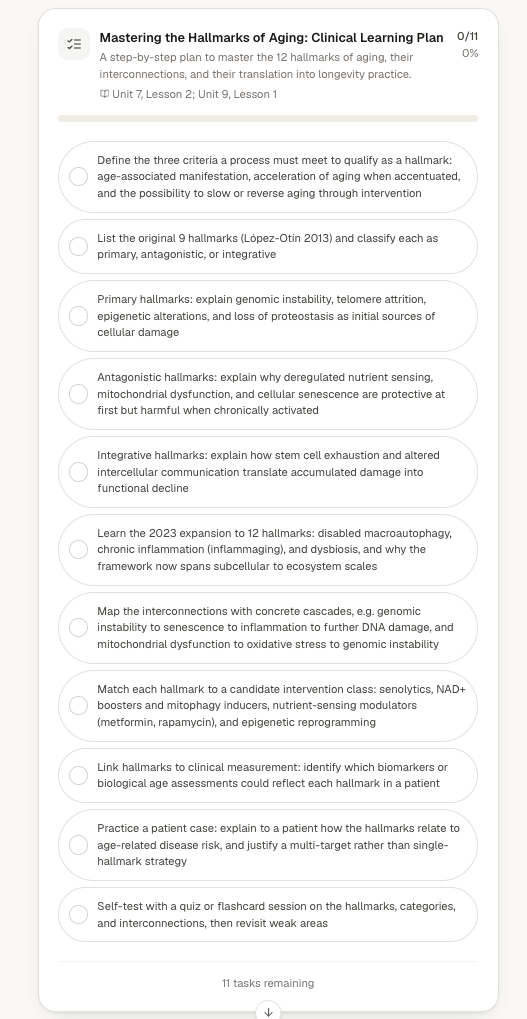
Master the hallmarks of aging and their clinical relevance
Hippo built the checklist around the CLD framework (primary, antagonistic and integrative categories, the 2023 expansion to twelve, and interconnection), then added steps that link the hallmarks to clinical practice.

Mastermind Agenda
Skin, Bone and Muscle: The Mastermind Course
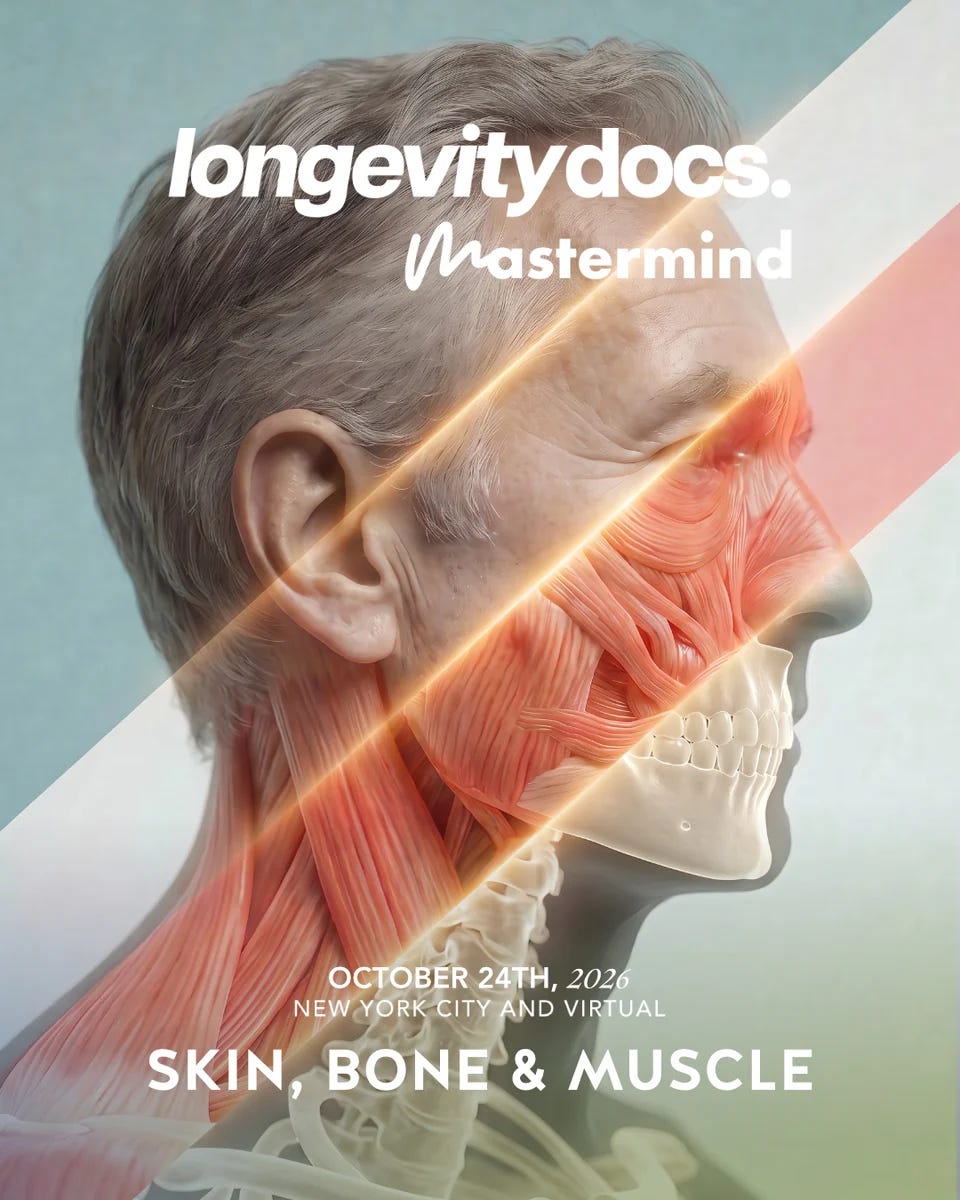
We designed the Mastermind as a physician-only course in three modules: The Science, The Clinic, and The Protocols. Faculty will examine the evidence, patient selection, safety, and practical decisions across skin, bone, and muscle aging.
Join us October 24 at Convene, 101 Park Avenue, New York City + Virtual; the welcome reception is October 23. Seating is limited.
View the full faculty, learning objectives, and schedule

Module 1: The Science
9:00 AM · Skin Regeneration: Stem Cells, Secretomes and Exosomes
Saranya Wyles, MD, PhD
9:20 AM · Gerotherapeutics for Skin, Muscle and Bone: The Pipeline
James Peyer, PhD
9:50 AM · Cellular Therapies: How Cell Products Are Actually Made
Robert Hariri, MD, PhD
10:10 AM · Topical Rapamycin and Rapalogs in Skin Longevity
Doris Day, MD
Module 2: The Clinic
10:50 AM · The Aging Face, Biomarkers and Protocol
Amanda Hill, MD
2:00 PM · The GLP-1 Tax: Muscle and Bone on Incretin Therapy
Elizabeth Yurth, MD
2:30 PM · Bone Loss: Screening, Markers and Sequencing
Catherine Johnson, MD
2:50 PM · Hormonal Transition and Collagen Loss
Neely Khan, MD, MS, FAAD
Module 3: The Protocols
3:30 PM · Energy-Based Devices: The Latest Protocols
Dan Belkin, MD
3:50 PM · Procedure Parameters and Pigment Risk Across Skin Types
Naana Boakye, MD, CLD, MPH, FAAD
4:10 PM · Biostimulators, Polynucleotides and Growth Factors
Kay Durairaj, MD, FACS
Mastermind includes Welcome Reception (10/23), breakfast at 8:00 AM, coffee breaks, Mastermind Lunch at 12:00 PM, and the Mastermind Dinner at 6:00 PM (tickets available).
Buzz in the chat
Miami law firm targeting physician websites for cookie consent violations
T. shared that a colleague had been served in a lawsuit alleging the physician’s website used cookies before visitors clicked an accept button, with a Miami-based law firm targeting medical practices over this privacy issue and pressuring them to settle. S. confirmed he had heard of the same tactic the previous week and suggested GoDaddy’s built-in cookie settings as a quick mitigation.
R. recommended Termly as a rigorous cookie consent management platform for physician websites. The consensus was that website developers should be contacted promptly to ensure compliant cookie consent flows are in place before a visitor can be tracked.
Key points
A Miami law firm is systematically targeting physician websites that activate cookies before visitor consent and using lawsuit pressure to extract settlements
GoDaddy offers a cookie management setting that can help bring sites into compliance quickly
Termly is a rigorous cookie consent tool suitable for physician websites
Apply for membership (physicians only)
Member profile
Ryan Greene, DO
Calendar
Members’ Events
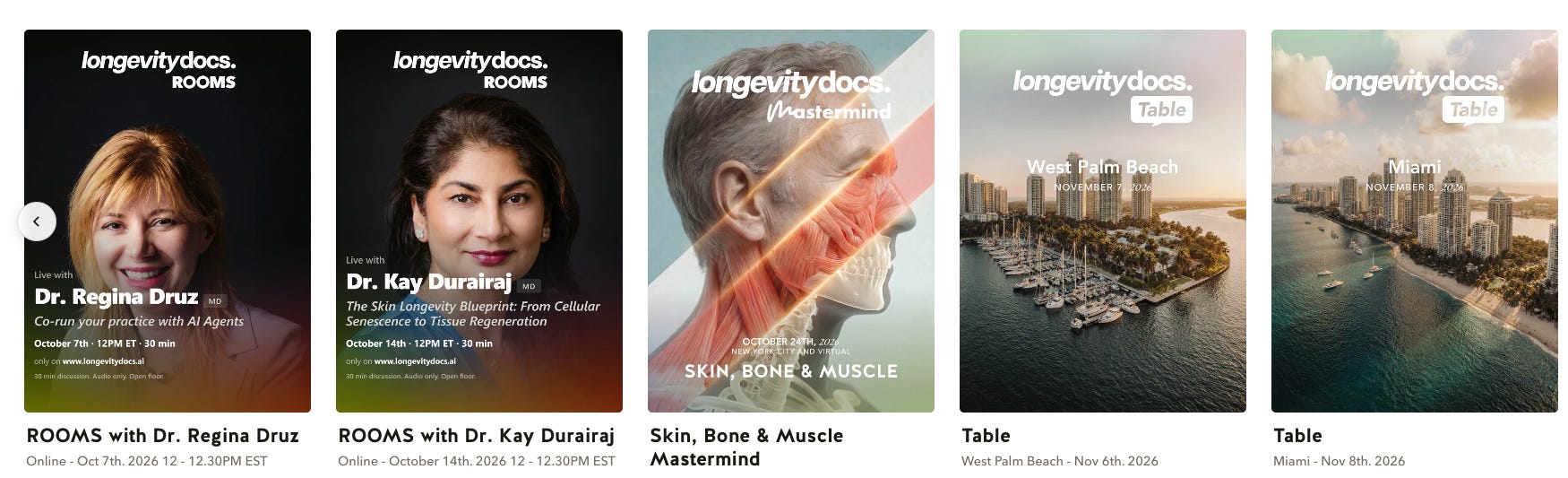
Co-run your practice with AI agents - Dr. Regina Druz
Rooms, Oct 7, 12:00 to 12:30 pm ET
Skin Longevity Blueprint - Dr. Kay Durairaj
Rooms, Oct 14, 12:00 to 12:30 pm ET
Skin, Bone and Muscle Mastermind
New York and virtual, Oct 24
All Events

THERAPEUTICS · METABOLIC HEALTH
The next wave of obesity drugs, from EASD

Amylin is now paired with incretins. At EASD, CagriSema showed 22.4% weight loss at one year, and Lilly’s eloralintide plus tirzepatide reached 23%. Lilly’s oral orforglipron matched insulin glargine on heart safety in ACHIEVE-4. Weight loss in the low 20s is now a class effect, so the next question is how much of that loss is lean mass.
BUSINESS · PHARMA & BIOTECH
FDA approves AbbVie’s Juvmo (tavapadon) for Parkinson’s

Juvmo is the first selective D1/D5 dopamine agonist, taken once daily on its own or with levodopa. In TEMPO-3 it added 1.7 hours of good “on” time, compared with 0.6 hours on placebo. In early disease, 94% of patients had not started levodopa by week 85. Patients will ask about it, so know the name.
DIAGNOSTICS · SCREENING & PREVENTION
One in eight cancers worldwide starts with an infection

Infections caused 2.3 million new cancers in 2024, 12% of all cases. Most of them come from four pathogens: H. pylori, HPV, hepatitis B and Epstein-Barr virus. These are some of the most preventable cancers in medicine, and the tests are cheap. A longevity workup that includes a full-body MRI but skips an H. pylori test has its priorities backward.
TECHNOLOGY · DIGITAL HEALTH INFRASTRUCTURE
Epic pauses product work after an AI finds MyChart security bugs
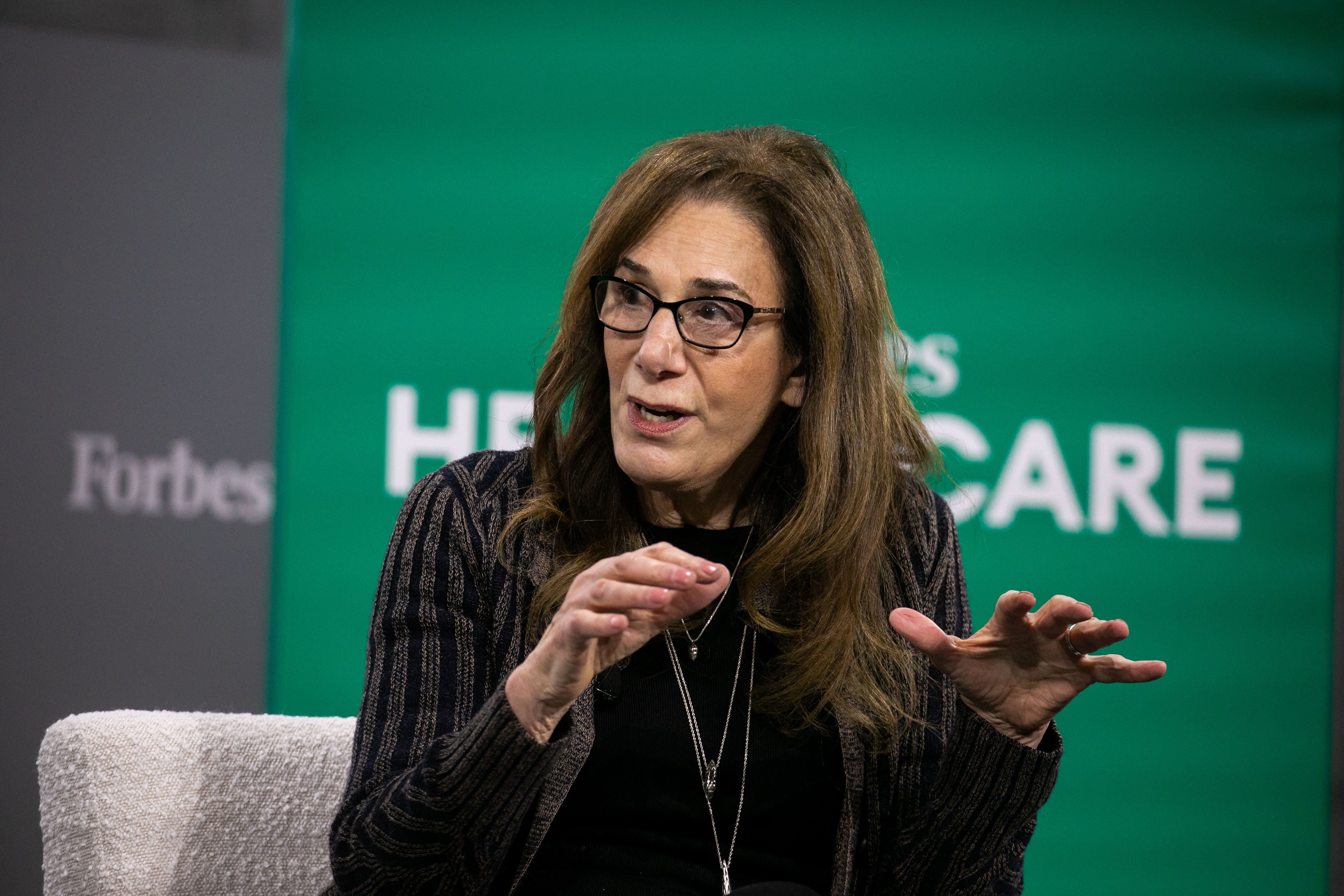
Epic has paused most product development for about six weeks to fix vulnerabilities found by an AI security model. Some MyChart configurations could let outsiders read patient records without leaving a trace in the logs. Your patient portal is part of your clinical risk. Ask your vendor which fixes apply to your setup.
BUSINESS · DEALS & FUNDING
Viome buys Sōlaria Biō to move from testing to treating
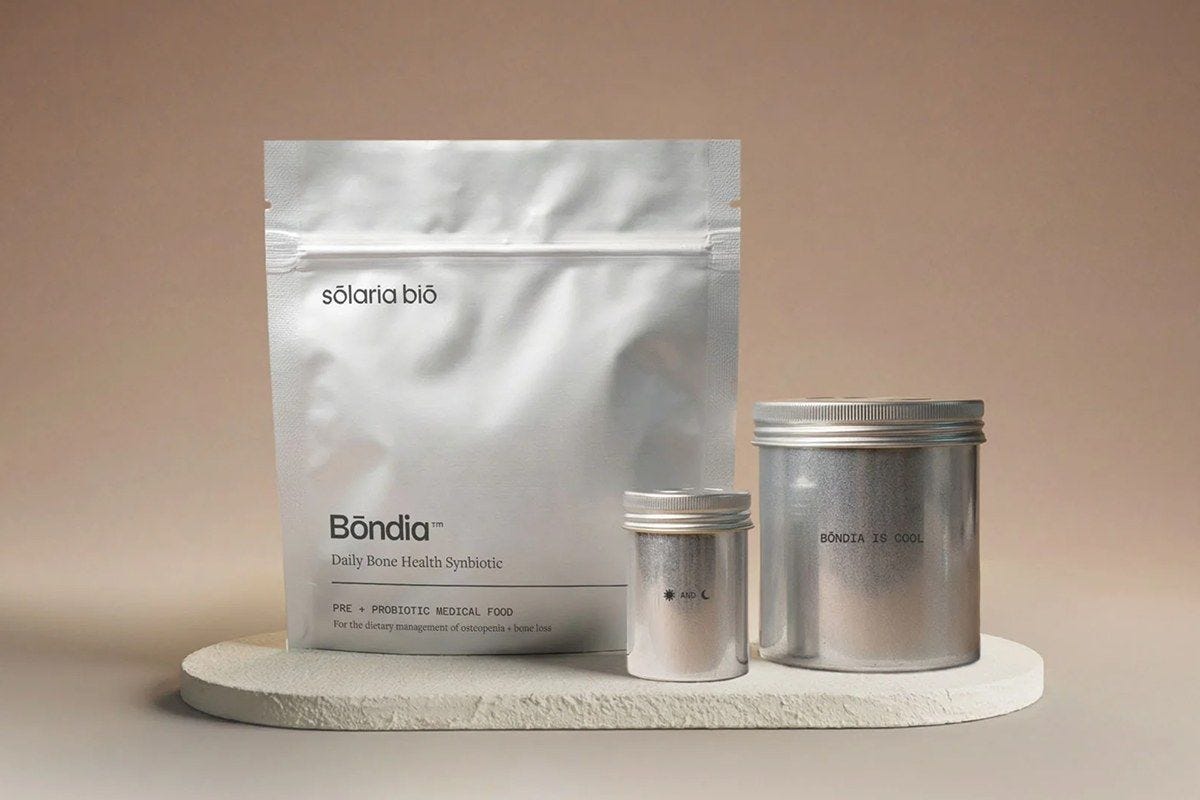
Viome acquired Sōlaria Biō and its AI-screened biobank of more than 5,700 plant-derived microbes. Its first product, Bōndia, is a probiotic for bone health aimed at women approaching menopause. Microbiome companies are building test-to-treat businesses, where the test sells the product. Before you recommend one, ask for the trial, the endpoint and the population studied, as you would for a drug.

Every doctor should be a longevity doctor
longevitydocs™ is the intelligence network for longevity medicine. 1,000+ physicians in 68 countries.
Editorial Disclaimer: