


Hey Doc,
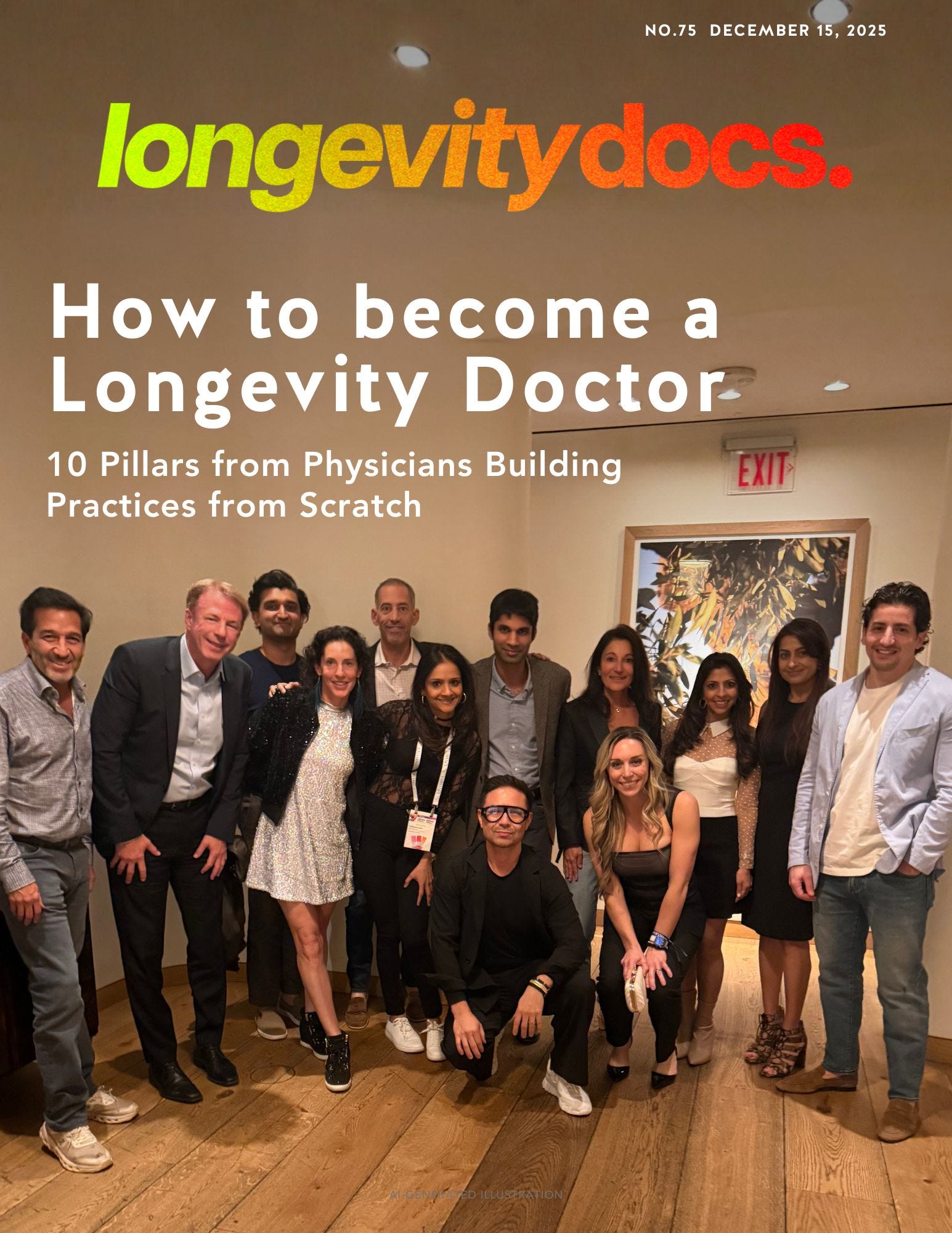
This week in LA and Vegas, I sat with dozens of physicians building longevity practices from scratch: ER docs, dermatologists, surgeons, cardiologists, internists, anesthesiologists, psychiatrists. The opportunity is massive. So are the obstacles. I came back and spent time with my notes. The patterns were clear.
Here’s what every doctor needs to become a trusted longevity physician.
Dr. David Luu - Founder, longevitydocs.™

Each week, I try to explore one idea that could advance longevity medicine and hopefully support physicians in bringing it to life.
10 Pillars to Become a Trusted Longevity Doctor


This week, I was in rooms with physicians who believe deeply in the future of longevity medicine. What I heard wasn’t about hype or protocols, they are asking for standards to help them:
Start a practice from scratch
Improve accessibility
Build trust, credibility, and integrity
Keep up with fast-moving science and technology
here is what’s could help:
1. Reframe your identity
As physicians, we’re defined by our specialty: “my surgeon,” “my cardiologist,” “my OB-GYN.” Longevity medicine adds a layer: longevity cardiology, longevity-focused obstetrics. You’re treating aging mechanisms, not just managing diseases. One physician told me: “My family of doctors is rolling their eyes.” The identity shift is real.
2. Master aging biology
Understanding mechanisms of aging, senolytics, geroprotective interventions, new biomarkers, emerging therapies. Know what is validated, what is research, and what is still speculative. It is an imperative.
3. Lead with evidence
RCTs are rare in early-stage longevity medicine. Outcome data is often more relevant. Yet patients want solutions today. Navigate the spectrum: studies, consensus statements, expert interpretation. Many patients cite podcasts as their primary source: doctors must lead with real research and data.
4. Establish you our own standards
Starting without frameworks or protocols is overwhelming. Guidelines don’t exist yet. You need to establish what’s generally accepted as good practice and adapt it for your specialty.
5. Update your tech stack
Traditional tech (EMRs built for coding) wasn’t designed for longevity medicine. New tools include: AI, wearables, novel biomarkers, devices, productivity app. It is hard to audit the product, the accuracy, the efficacy, the value with no prior experience. Start getting tech savvy.
6. Establish clear ethical governance
Clear consent. Clear risk disclosure. Clear limits. Clear conflict-of-interest policies. Document informed consent for off-label interventions, disclose financial relationships with supplement companies, and define boundaries. Your ethical framework protects both patients and the field’s credibility.
7. Educate your patients
Help patients understand their biomarkers, the rationale behind interventions, and realistic timelines for outcomes. Give them the vocabulary to evaluate claims they see online. This is the only way to win trust and differentiate yourself.
8. Build operational excellence
Hire and train teams. Write SOPs. Design patient experience workflows. Build communication systems. Onboard staff who understand longevity protocols, document how you interpret novel biomarkers, and standardize patient communication about results and outcomes.
9. Optimize economics
Get pricing right. Moving from a surgeon’s payroll to a sustainable private practice is challenging. Building a profitable, sustainable practice is the only path to democratizing longevity medicine. We need good, well-trained doctors incentivized on outcomes, not product margins.
10. Stay connected to the community
Local and global communities for mentorship, peer review, and guidance. No credible doctor practices alone. Build a referral system, standards emerge from community.
What I heard this week is simple: doctors are ready to transition are don’t want to do it alone. That’s exactly why we built longevitydocs: certification programs, research networks, and a community designed specifically for longevity medicine.
You don’t have to figure this out alone.
Join 600+ physicians across 50+ countries shaping the future of longevity medicine.
Apply to Join the Network | Learn About CLD Certification | Register for AI Mastermind

Every week, the Longevity Docs WhatsApp group feels like a front-row seat to the future of medicine. Here’s what had doctors buzzing:
GLP-1 Plateau Management: Beyond Max Dose
One of the most active clinical threads this week focused on a common, frustrating scenario: patients stalling on max-dose tirzepatide or semaglutide despite good adherence. The discussion quickly moved beyond “increase the dose” into a more nuanced, physiology-driven approach.
Doctors shared what’s actually working:
Re-evaluating body composition, not just scale weight
Using DEXA or InBody to assess fat vs lean mass changes
Screening for fatigue and reduced exercise tolerance at higher doses
In some cases, lowering the GLP-1 dose to restore activity and adherence
When weight truly plateaued, several add-on strategies were discussed:
Metformin to improve insulin sensitivity and metabolic flexibility
Topiramate for appetite regulation (with BP considerations vs Contrave)
SGLT2 inhibitors in select patients for metabolic and cardiometabolic benefit
Switching from tirzepatide → semaglutide in patients with strong beta-cell response who paradoxically stalled on GIP
“Higher dose isn’t always better.”
“If they’re exhausted and not moving, the drug is working against us.”
Key Takeaway: GLP-1 therapy is no longer about weight loss alone. Plateaus require a shift to body composition, energy, and metabolic health. When patients stall:
Measure fat vs lean mass
Assess fatigue and activity levels
Optimize lifestyle before escalating meds
Add or switch agents thoughtfully not reflexively
Practice Freedom Outside Insurance
A growing number of longevity physicians shared firsthand experiences opting out of Medicare and traditional insurance models. The discussion covered real-world consequences: limitations on ER shifts, initial income gaps, Stripe and processor scrutiny, but also long-term clinical freedom, better patient alignment, and sustainable practice design. Many confirmed you can still order labs, imaging, and referrals for Medicare patients while remaining opted out.
“Best decision I ever made.” – multiple docs
“You probably won’t be able to do ER shifts anymore. Make sure your finances and family are stable.” – Dr. N.P.
“I’m purely concierge now and wouldn’t go back.” – Dr. K.B.
Key Takeaway: Longevity medicine does not fit inside fee-for-service insurance. Practice freedom requires intentional business design, diversified income early on, and infrastructure that supports concierge and hybrid models.
Not a member yet? Join the debate in the WhatsApp group
Longevity Docs is a highly vetted, invitation-only community for physicians shaping the future of longevity medicine. Apply to connect with our team.

Each week, I highlight studies that could shape the future of longevity medicine.
Gut micro-organisms associated with health, nutrition and dietary interventions
A study of 34,000+ people linked diet, gut microbiome composition, and cardiometabolic health, identifying both known and previously uncultured microbial species associated with health risks. Researchers introduced the ZOE Microbiome Health Ranking 2025, which strongly correlated with BMI and disease across multiple datasets and improved with dietary interventions. The findings support a strong diet–microbiome–health link, while emphasizing that causal proof requires further clinical trials.
Reframing biological age as risk-equivalent age
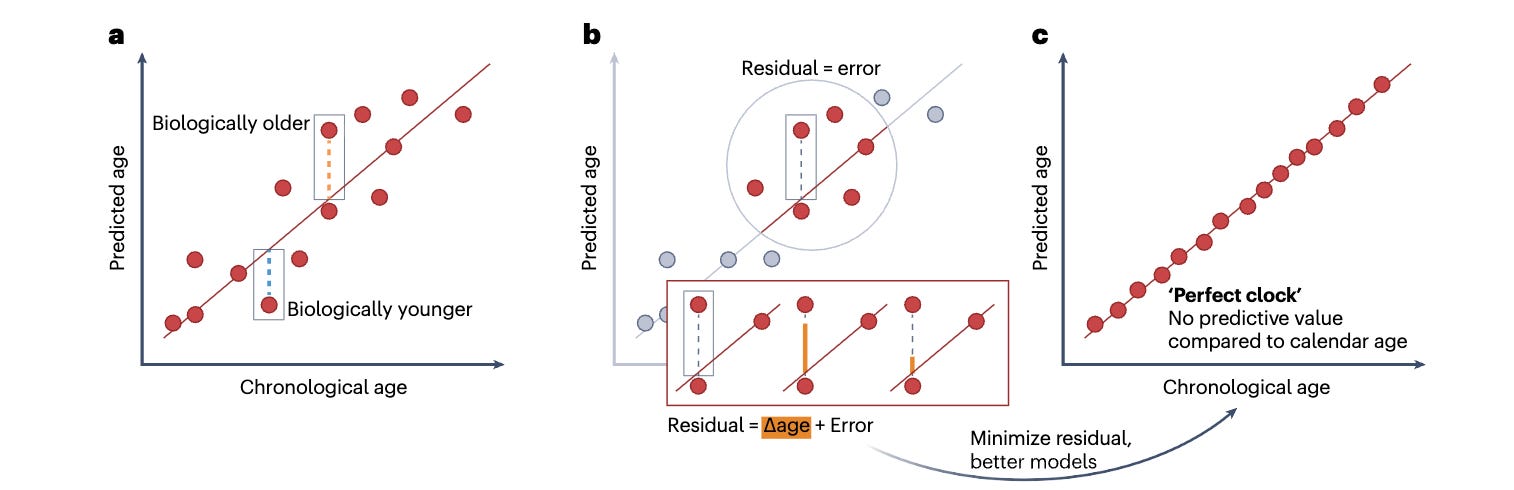
This article proposes a new way to think about biological age: not simply as a number that estimates how old someone’s body looks, but as a “risk-equivalent age” that reflects an individual’s position on a continuum of clinically meaningful risk for health outcomes. Traditional aging clocks that predict chronological age often have limited clinical utility. By reframing biological age as a dynamic, risk-based vital sign, the authors argue aging biomarkers (like epigenetic, proteomic, and other clocks) can be more directly tied to meaningful outcomes such as morbidity and mortality, and thus better integrated into clinical practice for assessing patient risk and guiding interventions.

Every week, I track funding, FDA approvals, product launches, and breakthrough announcements shaping longevity medicine.
RESEARCH
An AI-Based System Has Found a Potential Longevity Drug

Researchers led by Vadim Gladyshev developed an AI agent (ClockBase) that autonomously analyzes massive gene-expression and epigenetic datasets (2M+ samples, 40 aging clocks) to identify interventions that may modify biological aging. The system largely validated known longevity interventions (e.g., rapamycin, metformin) while also uncovering previously underexplored candidates.
For Longevity Docs: this signals that AI-driven discovery combined with aging clocks is becoming a credible way to prioritize longevity interventions — increasing the importance of physician literacy in biomarkers, clocks, and data-driven evidence as these tools move toward clinical translation.
AI/TECH
US FDA approves first at-home device for depression

FDA approved Flow the first at-home brain stimulation device for depression, validating remote, non-drug neuromodulation. Clinical signal: 58% remission at 10 weeks, with good real-world safety and scalability
For longevitydocs: another validated tool to integrate mood, behavior, sleep, and resilience into long-term healthspan care
POLICIES
CMS Just Opened the Door to Functional & Lifestyle Medicine
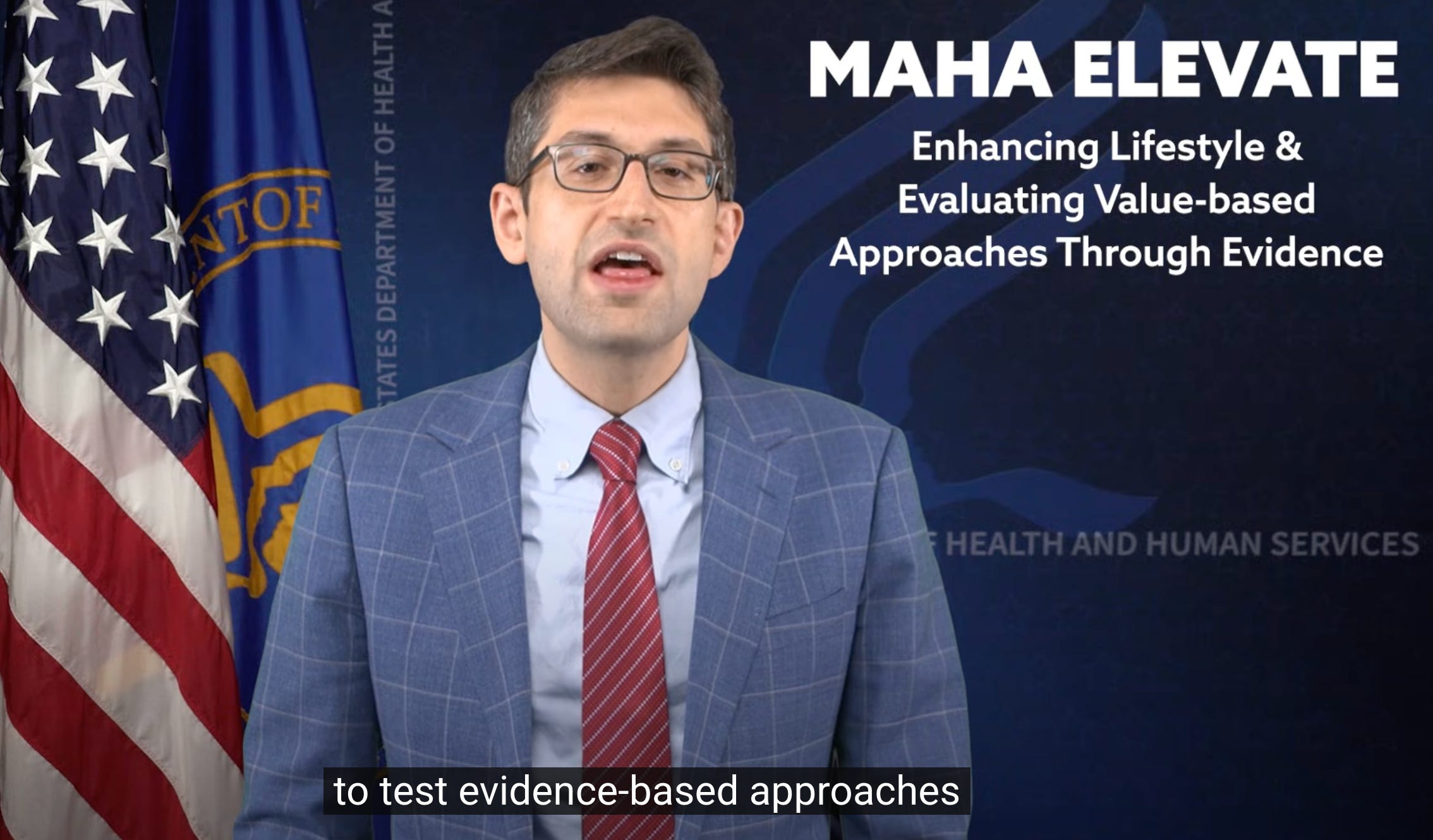
CMS announces MAHA Elevate to test up to 30 evidence-based whole-person and lifestyle medicine interventions for Medicare beneficiaries, generating real-world cost and outcomes data. The goal is to inform future Medicare coverage and accelerate the shift from reactive disease care to proactive prevention and health promotion.
For longevitydocs: that’s a signal that holistic, preventive, behavior-driven medicine is being formally evaluated and could integrate into mainstream payment models
LIFESTYLE
10 Wellness-Focused Residential Communities Around the World, From Cabo to Abu Dhabi

Robb Report highlights a global rise in luxury wellness residences - homes designed around health optimization, integrating features like advanced air and water filtration, circadian lighting, recovery spaces, fitness, longevity-focused architecture, and on-site medical-adjacent services.
For Longevity Docs: This signals that the home is becoming part of the care model. For longevity physicians, it reinforces the shift toward environment-as-medicine and opens new opportunities to collaborate with real estate, hospitality, and luxury living platforms to extend preventive care beyond the clinic.
Oura Could Become Your ID and Wallet

Oura is exploring expanding its smart ring beyond health tracking into digital identity, payments, and access control. The vision is a biometric wearable that can securely authenticate who you are - acting as a key, wallet, and ID - alongside continuous health monitoring.
Why it matters for Longevity Docs
This signals a shift from wearables as trackers to wearables as infrastructure. For longevity medicine, it accelerates continuous monitoring, identity-linked health data, and frictionless care delivery - enabling more personalized, secure, and scalable long-term prevention models.

AI & TECH MASTERMIND | JANUARY 31, NYC
We’re bringing together 150 longevity physicians building AI-powered longevity practices.
If you’re still figuring out which AI tools are HIPAA-compliant, how to integrate wearables into clinical decisions, or whether proteomics is ready for practice, this is where you get answers from physicians already doing it.

What we’re covering:
Next-gen biomarkers (proteomics, epigenetics, multi-omics)
Wearables and continuous monitoring: clinical-grade vs. wellness theater
NeuroTech and brain aging protocols
Performance metrics that track biological age
AI imaging that catches what radiologists miss
Tech stacks that actually work (EMR integration, dashboards, APIs)
Clinical workflow tools: triage, documentation, protocol generation
AI-powered practice growth without physician burnout
The debate: frontier tech vs. what’s ready now
Your Monday morning action plan: 90-day implementation roadmap
Small group. Curated. Limited to 150 Physicians only.
VIP (50 spots) - Includes private dinner with speakers
In-Person (limited) - Full access to all sessions and networking
Virtual - Live-stream and replay for those who can’t travel
Early-bird ends December 15 (today)

The world’s largest physician network in longevity medicine
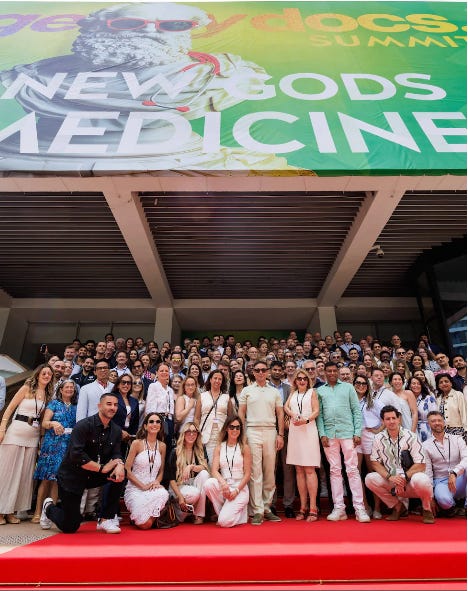
longevitydocs.™ is the world’s largest physician network in longevity medicine, serving 600+ vetted physicians across 50+ countries. We unite physicians, industry, and institutions to build the trusted global infrastructure that makes longevity medicine the new standard of care.
Longevity medicine is the personalized, evidence-based practice of modifying the root mechanisms of aging (biological, cognitive, and psychosocial) before they become disease, extending healthspan, not just lifespan. Using advanced diagnostics, precision interventions, and AI-enabled monitoring, it translates measurement into action across every medical discipline. Success is measured in functional capacity, vitality, and disease-free years.
Our Pioneering Approach: Uniting Science, Clinical Practice, and Culture
Professional Network
Global Longevity Community: A curated community of leading longevity physicians fostering peer learning, clinical collaboration, and professional growth
Medical Education
Certified longevitydocs.™ (CLD): The first structured, physician-led clinical curriculum for longevity medicine - comprehensive, evidence-based, and practice-ready.
Clinical Research
Longevity Research Network: Clinical research infrastructure enabling rapid generation of real-world evidence across the Longevity Docs network.
Cultural Experiences
Global Events: From Cannes to New York, our Summits, Awards, Masterminds, and Jefferson Dinners convene top researchers, clinicians, investors, and government officials to shape longevity medicine’s growth, investment, and policy.
Intelligence
Strategic Insights: Weekly syntheses of scientific breakthroughs, clinical best practices, business signals, and global market analysis for Fortune 500 companies - the industry’s trusted source of intelligence.
Not a member yet? Longevity Docs is an invitation-only network of 600+ physicians shaping the future of longevity medicine through clinical collaboration, certification, and global events.
Subscribe to the Longevity Docs Newsletter
Stay connected with a global network of 500+ physicians in 50+ countries advancing longevity medicine. Get evidence-based insights, clinical updates, and exclusive access to the community shaping the future of longevity care.
Newsletter Disclaimer: