


Hey Doc,
Elon Musk said increasing lifespan isn’t difficult, it’s just programming the hardware with better software. He’s right. Medicine shouldn’t be hard.
Yet healthcare is always the last to update.
If physicians don’t upgrade our infrastructure, someone else will. We’re already seeing this in our community: tech companies building preventive care systems without us, regulators exempting AI tools from medical oversight, patients buying biomarker panels we haven’t validated.
I’m optimistic that better tech, data, communication, and analysis will help patients live longer, healthier lives. But only if physicians stay on the loop.
That’s what this week’s letter is about.
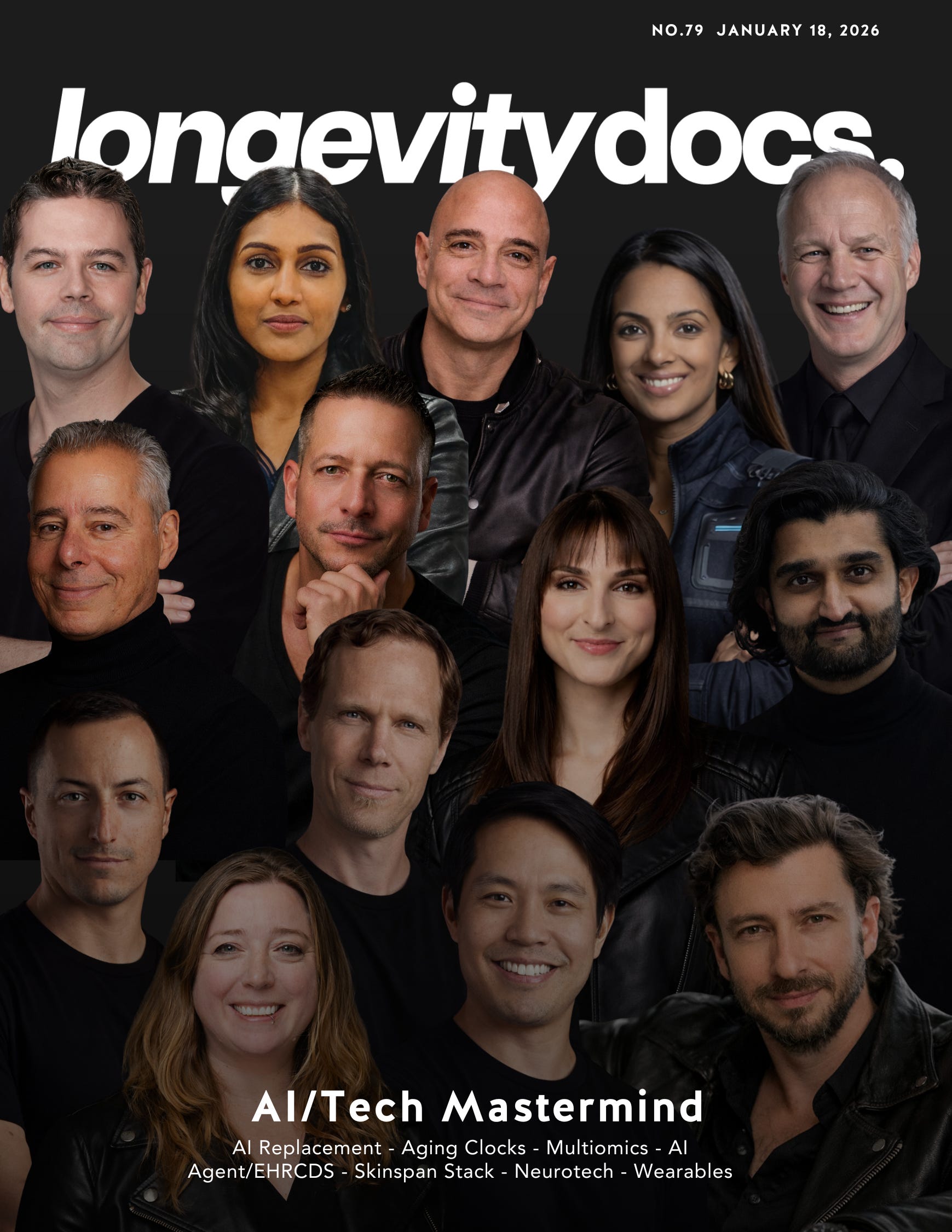
PS: Don’t miss our rockstar longevity tech faculty at the AI Mastermind NYC
Dr. David Luu - Founder, longevitydocs.™

Each week, I try to explore one idea that could advance longevity medicine and hopefully support physicians in bringing it to life.
Longevity Docs Tech Stack?
Technology is moving faster than medicine’s infrastructure can support it. The FDA just exempted AI health tools from oversight. Tech companies are building ‘body-scan’ centers. Physicians are inheriting interpretation burdens without the systems to handle them.
Longevity medicine is complex by nature. Diagnostics are expanding, data flows continuously, and patients expect personalization. Physicians manage clinical care, teams, workflows, and outcomes - often without infrastructure designed for it.
The result: Too much data, too little intelligence, not enough time.
What would a coherent tech stack that supports physician judgment and preserves time, trust, and clinical integrity would look like? I though about 7 layers to simplify.
1. Diagnostics: Labs, imaging, multi-omics, functional biomarkers. Their role: establish baseline, define trajectory, quantify risk.
Key question: Are you measuring what predicts healthspan, or chasing vanity metrics?
Recommendation: Add multi-omics only when you can act on the data.
2. Clinical Technology: EMRs, portals, dashboards that create longitudinal records: integrating diagnostics, notes, wearables, interventions into one view.
Key question: Can you see a patient’s complete trajectory in under 30 seconds?
Recommendation: If your current EMR can’t handle longitudinal data integration, use a layer on top (practice management + custom dashboards) or switch to systems built for longevity care. Fragmented data kills insight.
3. AI: AI should help physicians think better, not just faster. Detect trends, flag deviations, support risk stratification, surface safety signals early.
Key question: Does your AI explain why—or just what?
Recommendation: Prioritize AI decision support tools over scribes. Look for systems trained on clinical data, not just language. Test before trusting. If it can’t show its reasoning, don’t use it for clinical decisions.
4. Wearables: CGMs, sleep trackers, HRV monitors create feedback loops between visits: early signals, personalized adjustments, real-world tracking.
Key question: Which wearable data actually changes your clinical decisions?
Recommendation: Start with wearables you understand and data you can act on.
5. Devices & Interventions: Neurotech, HBOT, LED, TPE, digital therapeutics: the options explode. The challenge: vetting. What works? What’s clinically relevant? What creates value?
Key question: What’s the evidence level, and who validated it?
Recommendation: Stick to FDA-cleared devices and peer-reviewed interventions until you have infrastructure to evaluate emerging tech. Join physician networks sharing real-world experience. Avoid being an early adopter without safety data.
6. Operations: Team management, billing, CRM, patient communication, support. Managing a clinic means running a company.
Key question: What breaks first when you try to scale from 100 to 200 patients?
Recommendation: Invest in operations before you need it. Automate scheduling, billing, and patient communication early. Hire operational support before clinical support. Most clinics fail on operations, not medicine.
7. Education: Structured access to evolving evidence, protocols, publications—curated and continuously updated.
Key question: How do you stay current when science moves faster than you can read?
Recommendation: Join physician networks with curated intelligence (like Longevity Docs Certification CLD). Use AI to scan literature but verify through trusted peers. Create internal protocols that update as evidence evolves. Don’t rely on conferences and podcasts alone.
This is why Longevity Docs exists: to help physicians build the infrastructure that makes longevity medicine standard of care
On January 31 in NYC, we're doing a deep-dive on each layer with the physicians and scientists who built them. AI & Tech Mastermind. 150 physicians. Small group. Highly curated.

Every week, the Longevity Docs WhatsApp group feels like a front-row seat to the future of medicine. Here’s what had doctors buzzing:
CAC score of zero is not zero risk
Several cases of patients with elevated LDL / ApoB and a CAC of zero being reassured that no action is needed. The group emphasized that imaging reflects current plaque burden, not lifetime exposure.
Does a zero CAC meaningfully change management in younger or genetically high-risk patients or does it create false reassurance?
Key takeaways
CAC = snapshot, not trajectory. Don’t forget AI-powered plaque analysis
ASCVD risk accumulates over decades
ApoB, Lp(a), genetics, and exposure time still matter
“A CAC of zero tells you what hasn’t happened yet. It says nothing about what will happen over the next 20 years.”
Does Retatrutide increase RHR?
Multiple clinicians shared real-world experience with retatrutide showing resting heart rate increases of ~8–10 bpm in some patients, alongside mixed effects on endurance performance.
Is the RHR rise a benign glucagon effect, a fueling issue, dehydration, or a signal with long-term cardiovascular implications - especially in fit patients?
“The weight loss looks great, but when a fit patient’s resting heart rate jumps 10 beats, I stop calling it a rounding error.”
Key takeaways
RHR may be the simplest early safety signal to monitor
Effects vary widely by dose, training load, and metabolic context
GLP-1 protocols for obesity don’t always translate to longevity use
More longitudinal data is needed before broad adoption in athletes
The Unregulated Social Drug Distributors
Widespread concern about non-medical “medicine” providers and coaches offering peptides and drug protocols - often without proper training or accountability. Where does social education end and practicing medicine begin, and why is enforcement so inconsistent?
Key takeaways
This trend puts patients at risk and physicians on cleanup duty
Lack of regulation invites a public and regulatory backlash
Visibility and leadership from licensed docs matter
Longevity medicine needs better standards
Not a member yet? Join the debate in the WhatsApp group
Longevity Docs is a highly vetted, invitation-only community for physicians shaping the future of longevity medicine. Apply to connect with our team.

Full Faculty & Curriculum: AI & Tech Mastermind
We've curated a world-class faculty of physician-scientists and clinical leaders who are defining the future of longevity medicine. Each session is designed to bridge cutting-edge science with immediate clinical application - giving you the tools, evidence, and protocols to integrate these advances into practice now.
Hosted by
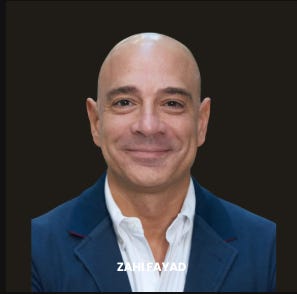
Zahi Fayad, PhD
Meet your distinguished host for the day, Dr. Fayad. He serves as a Professor of Radiology and Medicine (Cardiology) at the Mount Sinai School of Medicine.
Longevitydocs Vision 2026
What's next for our community

David Luu, MD
Dr. David Luu is a longevity tech entrepreneur, cardiac surgeon, and philanthropist redefining how longevity medicine is practiced, scaled, and integrated across industries.
The AI Grand Replacement
Are Physicians Next Or Is This Just Another Technology Tool?
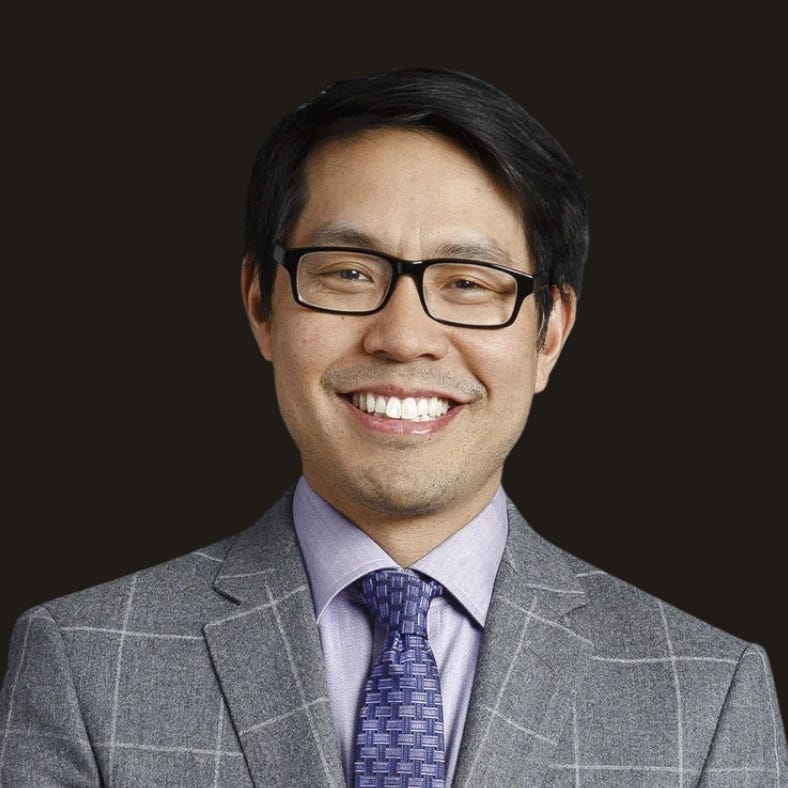
Yin Aphinyanaphongs, MD, PhD
Director of Operational Data Science and Machine Learning at NYU Langone Health and Physician-Scientist in the Center for Healthcare Innovation and Delivery Science. An Assistant Professor whose work focuses on translating machine learning into real clinical environments, with an emphasis on model evaluation, deployment, governance, and long-term reliability. He leads NYU Langone’s Predictive Analytics Unit, where multidisciplinary teams build, benchmark, and deploy predictive models used across the clinical enterprise.
The Aging Clocks Menu
What clocks physicians should order to guide longevity interventions
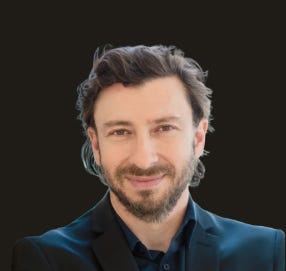
David Furman, PhD
Dr. Furman is Director of the Stanford 1,000 Immunomes Project and Chief of AI at the Buck Institute for Research on Aging, where he pioneered the inflammatory aging clock (iAge) used in clinical longevity practices worldwide. His work bridges systems immunology, machine learning, and translational medicine—with over 20 patents and publications in Nature Medicine, Cell, and The Lancet.
The Multi-Omics Protocol
pTAU-217, Mitochondrial Function, Proteomics, Metabolomics: Which Tests Are Actually Worth It?
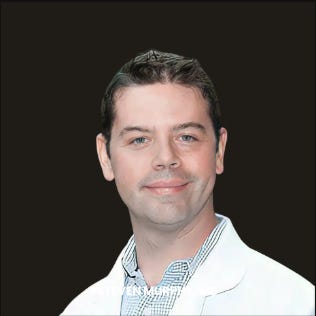
Steve Murphy, MD
Dr. Murphy is a practicing family physician who runs a precision longevity practice built on multi-omics testing, including proteomics, advanced mitochondrial panels, pTAU biomarkers, and metabolomics. He’s known for helping physicians navigate which next-gen tests are clinically actionable today versus which are still research-grade - and for building practical protocols that improve patient outcomes without creating data overload.
The SkinSpan Stack
Your Patients Are Already Using ViziaScan and Skin Age Clocks - Here’s What Actually Works
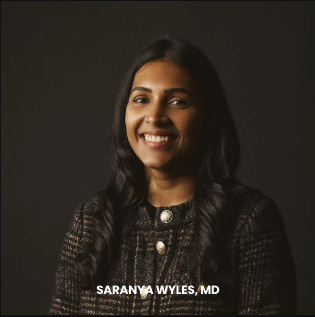
Saranya Wyles, MD, PhD
Dr. Wyles is Director of the Regenerative Dermatology and Skin Longevity Laboratory at Mayo Clinic and holds an M.D., Ph.D. in Regenerative Medicine. She’s leading clinical trials on platelet-derived exosomes for skin rejuvenation, topical senolytics for chronic wounds, and 3D bioprinted skin models to target cellular senescence—translating regenerative technologies from discovery to clinical application in longevity dermatology.
Zoom on Cardio Longevity
The Most Advanced Cardiovascular Biomarkers for Longevity Clinics
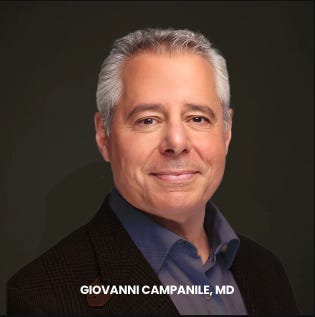
Giovanni Campanile, MD
Dr. Giovanni Campanile is a quintuple board-certified cardiologist and a pioneer in integrative cardiology, combining conventional heart care with holistic, lifestyle-based approaches, focusing on prevention and disease reversal through nutrition and integrative therapies. He’s known for directing significant cardiac rehab programs (like the Ornish program), researching at the Framingham Heart Study and serving as a medical writer. Dr. Campanile has published scientific papers in major cardiology journals that have advanced our understanding of the effect of high blood pressure on heart health. He also started the very first Integrative Cardiology practice in the nation.
Case Study: AI-enhaced Longevity Doctor
How AI Can Improve Patient Outcomes, Increase Revenue, and Reduce Burnout
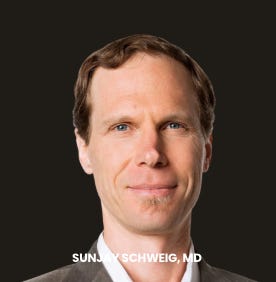
Sunjya Schweig, MD
Dr. Sunjya Schweig is a physician and researcher with three decades of experience in integrative, functional, and longevity medicine. He leads data-driven, systems-based approaches to chronic disease, metabolic health, and healthspan optimization, integrating digital health, AI-enabled tools, and behavior change into clinical care.
Scaling Longevity Clinics with AI
Using AI to Scale n=1 Precision Longevity Clinics from 100 to 1,000+ Patients. Is It Possible Without Sacrificing Quality?

John Haugton, MD
Dr. John Haughton is a physician–engineer focused on integrating digital health and AI into clinical practice. His work centers on longevity, inflammaging, and scaling care for complex chronic conditions through AI-augmented care models. Trained as a geriatric physiatrist, he is a patent holder in clinical knowledge management and workflow.
Using Agentic AI to Unlock Patient Data
How to build an AI Assisted Clinic
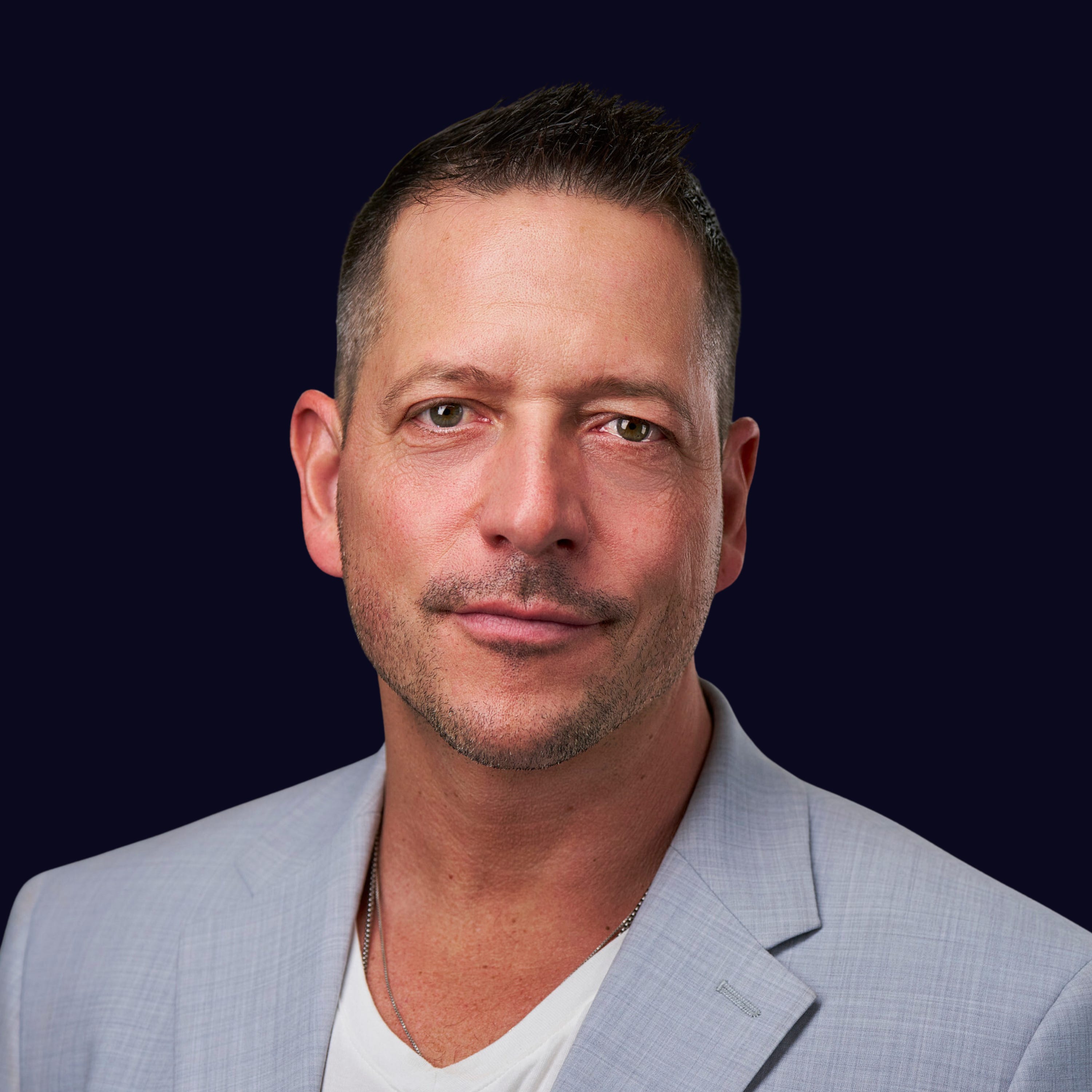
David Korsunsky
Dave Korsunsky is the founder and CEO of Heads Up, a digital health analytics platform focused on personal health optimization and remote monitoring. With over 20 years of experience in enterprise technology and data analytics, he brings deep expertise in scaling complex platforms across healthcare and global organizations.
AI-Native EHR for Longevity Medicine
Move Your Practice From Data Overload to Clinical Clarity
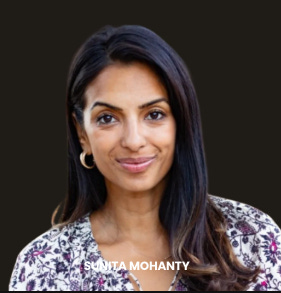
Sunita Mohanty
Sunita Mohanty is Co-Founder & CEO of Vibrant Practice, an AI-native EHR and clinical operating system built for functional, integrative, and longevity-focused practices. Her background includes leading AI Experiences for the Meta Ray-Bans and founding breakthrough products within Meta’s incubator. She now partners closely with clinicians to modernize how complex data is documented and translated into real clinical decisions. Her perspective is shaped by hands-on work with early adopters navigating the transition from legacy EHRs to AI-native clinical infrastructure.
From Data to Clinical Decisions
Physician-led AI with safety and transparency
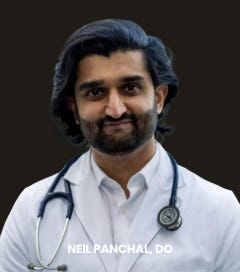
Neil Panchal, DO
Dr. Neil Panchal is a board-certified physician who delivers in-home and virtual care, redefining episodic medicine into continuous, patient-centered care. His practice integrates preventive, primary, and urgent care services to improve access, continuity, and patient outcomes.
The Neurotech Game
Advanced Tools for Mental Health, Dementia, and Cognitive Performance—What’s Ready for Clinical Use
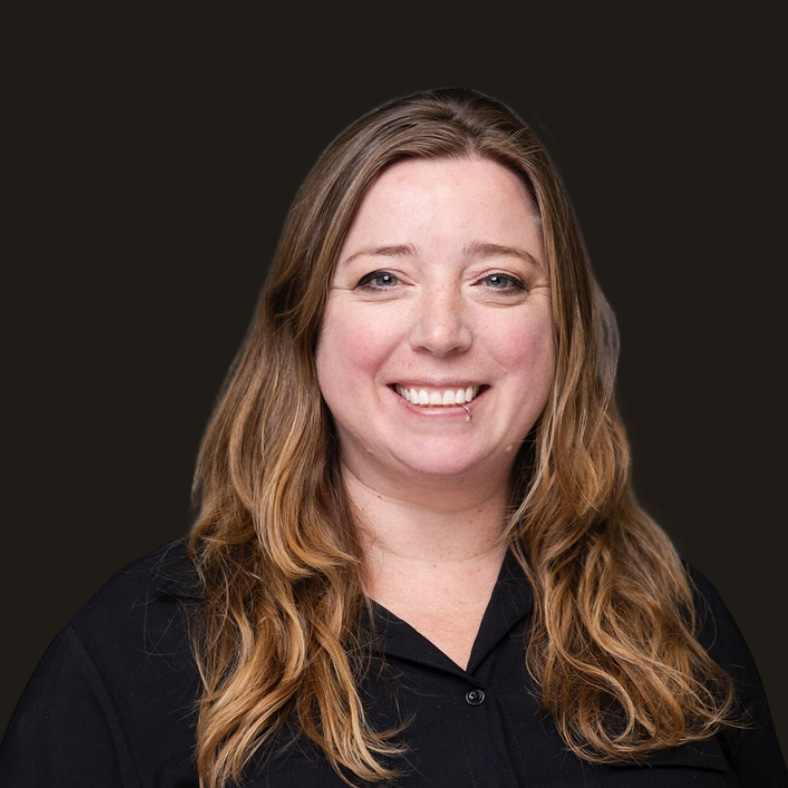
Christin Glorioso, MD, PhD
Dr. Christin Glorioso is a neuroscientist, physician, and serial entrepreneur. She is co-founder and CEO of NeuroAge Therapeutics and Founder and Executive Director of the non-profit, Longevity Global. Previously she was Head of AI of the Stanford Spinout, TeachAids. She has published more than 30 peer reviewed publications and been awarded grants by AFAR, the Glenn Foundation for Medical Research, and the National Institute on Aging. Dr. Glorioso holds an MD and PhD in Neuroscience from the University of Pittsburgh and Carnegie Mellon University’s Medical Scientist Training Program and completed her postdoctoral training at MIT.
Connected Longevity
Wearables, Continuous Monitoring, AI Predictions - Which Data Actually Changes Clinical Decisions?

David Lipman, MBBS
Dr. David Lipman is a health and human performance specialist operating at the nexus of clinical medicine and performance optimization. With honours degrees in Exercise Physiology and Podiatry alongside his Medical Doctorate, David applies a first-principles approach to his broad-ranging work consulting for health-tech startups, elite sporting teams, and high-performance individuals. With extensive experience spanning elite coaching, university lecturing, and health technology, his work focuses on longevity, healthspan, and the strategic integration of technology to enhance human performance.
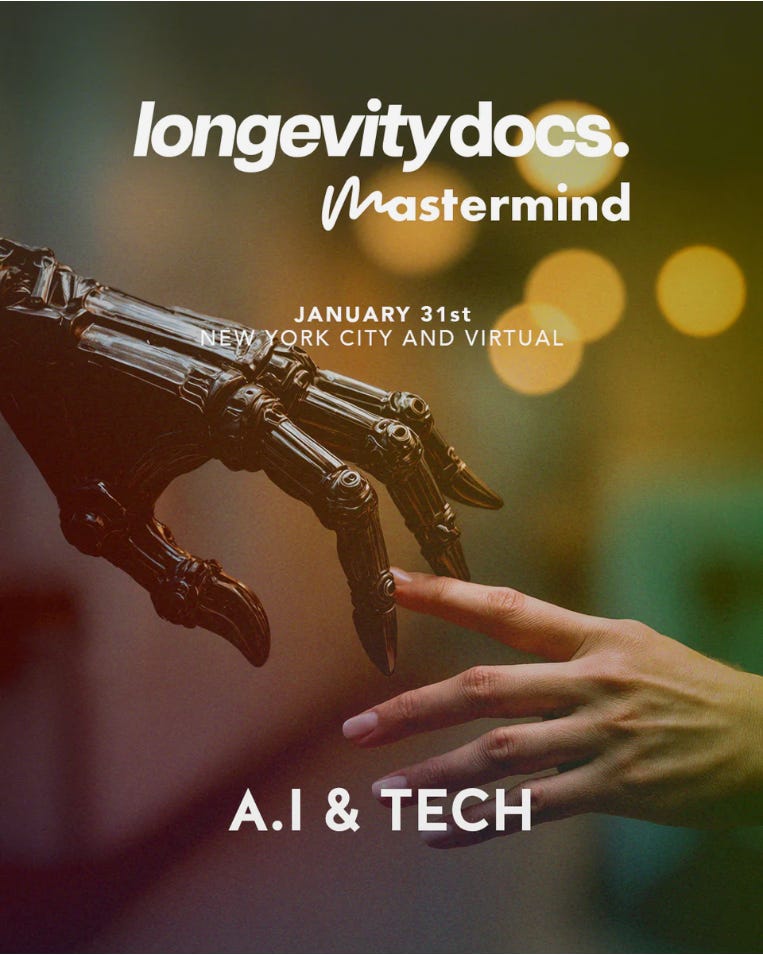
Small group. Curated. Limited to 150 Physicians only.
VIP - Includes private dinner with speakers
In-Person- Full access to all sessions and networking
Virtual - Live-stream and replay for those who can’t travel
Poll: Peer-learning
Yesterday, we asked a straightforward question inside the Longevity Docs network: would physicians be interested in creating and launching expert-led education on longevity medicine?
The response was unambiguous.
There is real appetite for physician-led knowledge creation, not content, not influencers, but structured, evidence-based education. More to come.

Microplastics and nanoplastics in the human diet
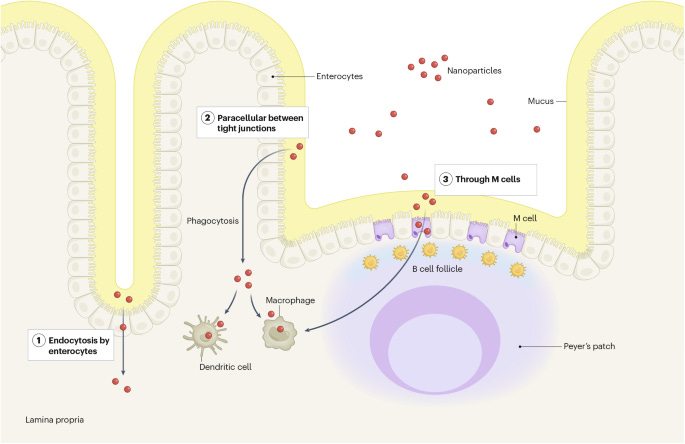
Human exposure to environmental microplastics and nanoplastics via oral ingestion is a topic of public health and food safety concern. In this Nature Health Review, the physicochemical properties of drug-delivery nanoparticles were considered to evaluate the biological plausibility of environmental nanoplastics overcoming biological-selective barriers.
GLP-1 physiology and pharmacology along the gut-brain axis
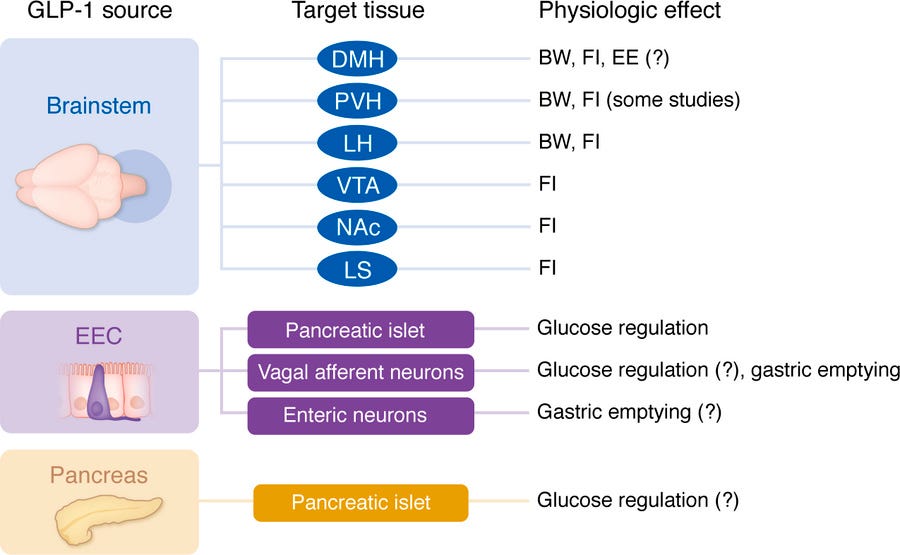
Recent data indicate that the aversive gastrointestinal side effects of GLP-1RAs are also CNS mediated. Although a complete understanding of the neural circuits underlying GLP-1RA–induced weight loss remains elusive, a great deal has been learned in recent years. This JCJ Review summarizes proposed gut-brain and central mechanisms through which GLP-1 and its synthetic analogs regulate food intake and bodyweight.
Perimenopausal Hormone Replacement Treatments as a Geroprotective Approach - Adapting Clinical Guidance
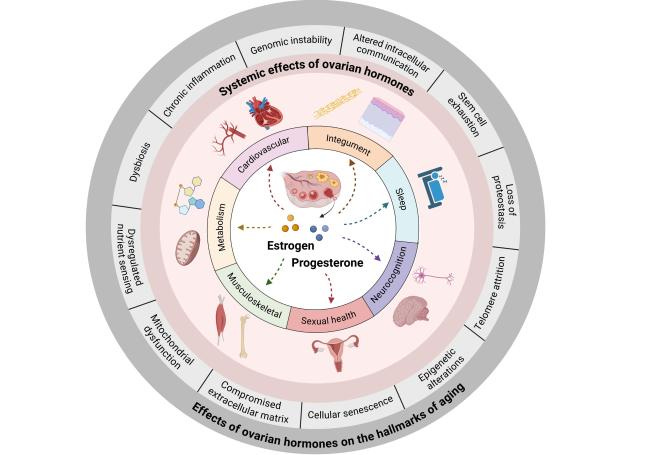
This Aging and Disease narrative review outlines the role of HRT as a geroprotective therapy, preferably offered and started within 10 years of menopause onset, in clinically eligible women in perimenopause. We emphasize the need for specific clinical guidelines that reflect and manage the endocrine, inflammatory, and metabolic profiles unique to perimenopause. The development of age- and phase-specific biomarkers will be critical to optimize HRT use and ensure precision delivery of longevity-focused care for women. Aging and Disease

Every week, I track funding, FDA approvals, product launches, and breakthrough announcements shaping longevity medicine.
CARE
Neko is Coming to NYC
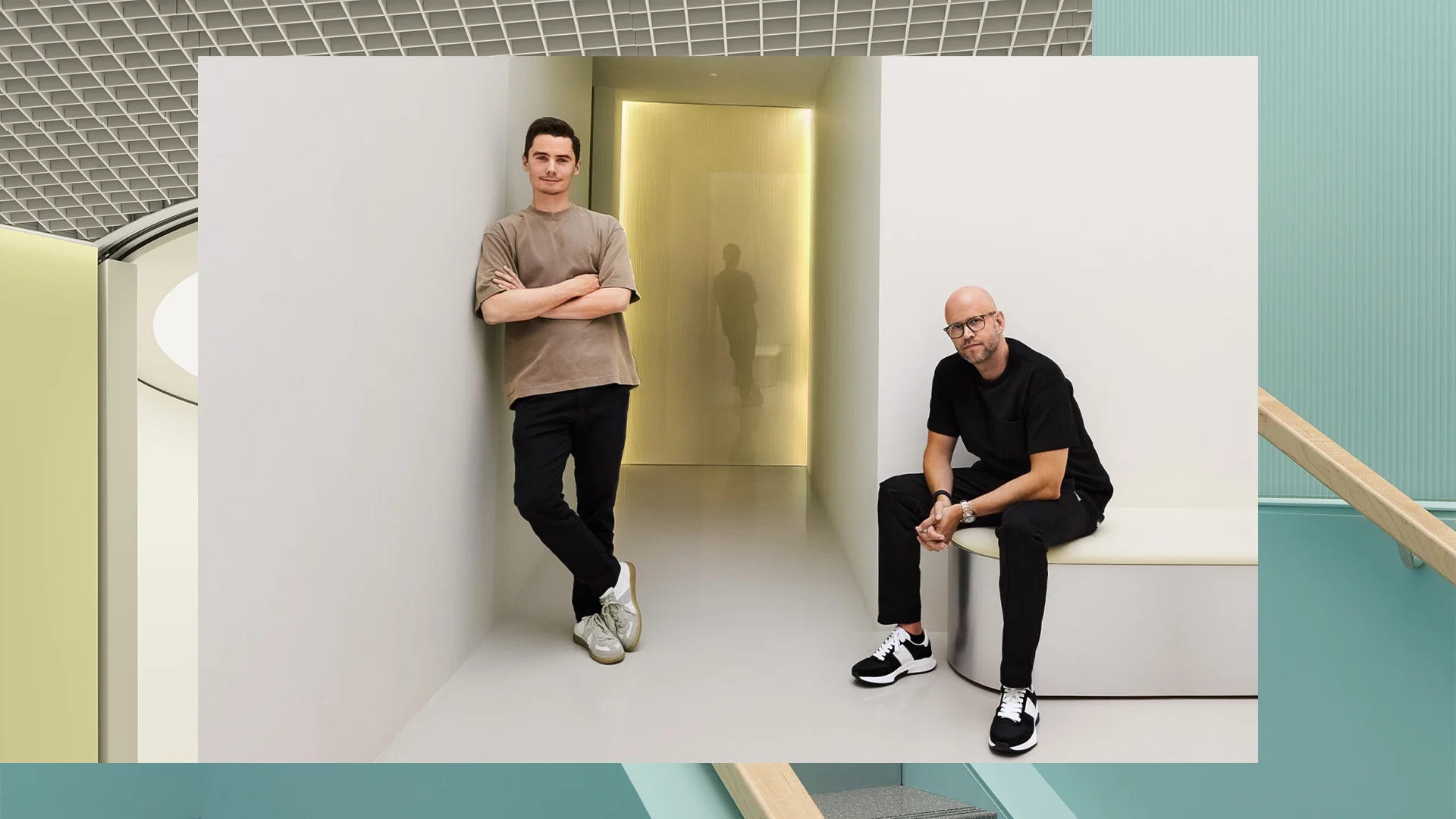
With Daniel Ek bringing Neko Health to NYC, the promise is bold: a 60-minute body scan as a new front door to healthcare. The tension for longevity medicine is that detection without interpretation risks creating data-rich, action-poor experiences. In practice, scans only matter if they’re embedded in clinical judgment, longitudinal follow-up, and evidence-based intervention pathways. The opportunity for longevity docs: turn preventive scans into preventive care or watch tech redefine prevention without medicine.
AI
Yann LeCun: ‘Intelligence really is about learning’
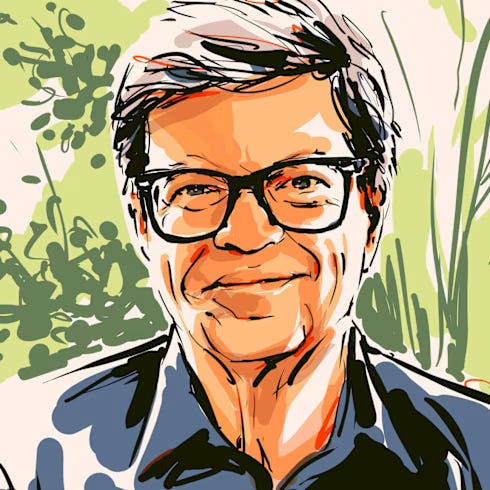
In recent interviews, Yann LeCun makes a sharp distinction longevity medicine cannot afford to miss: today’s LLMs sound intelligent, but they don’t truly understand biology, causality, or long-term dynamics. Medicine is rushing to deploy conversational A.I., while the hardest problems in aging require world models, not chatbots. In practice, this means longevity care will fail if we rely on language-first A.I. instead of systems trained on physiology, time-series data, and mechanistic constraints. The call to action for longevity doctors: help build A.I. that understands the body - not just talks about it.
WEARABLES
Ultrahuman and Click Therapeutics Partner on FDA-Authorized Migraine Tool
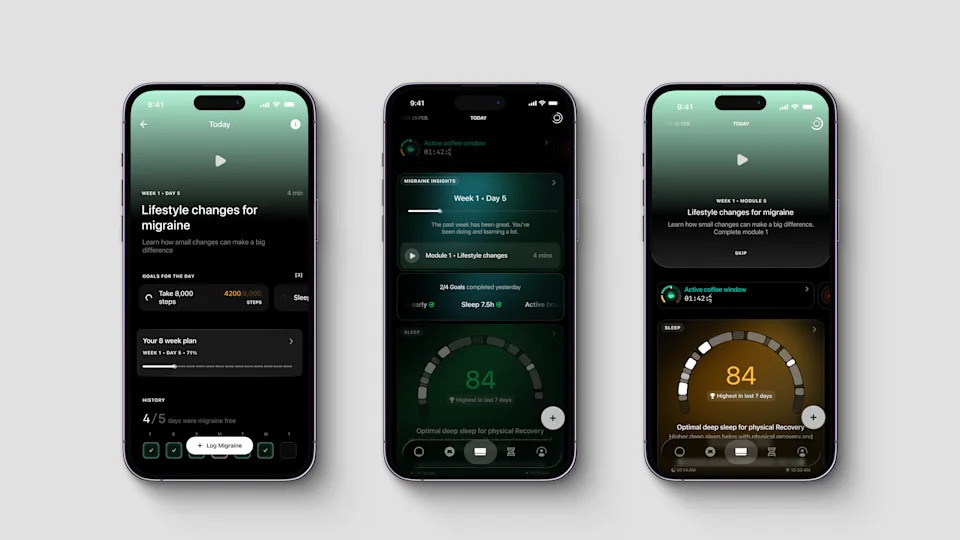
With the FDA-authorized Migraine PowerPlug, Ultrahuman and Click Therapeutics are moving beyond dashboards and into prescription-grade digital therapeutics, combining real-time biomarkers with clinically validated software. Most wearables observe, very few intervene. In practice, this signals a shift toward software-enhanced therapies where physiology, behavior, and treatment adapt continuously. Longevity docs should take note: the future standard of care will be hybrid: drug, device, and algorithm working as one.
POLICIES
FDA just loosened the rules for wearables and AI.
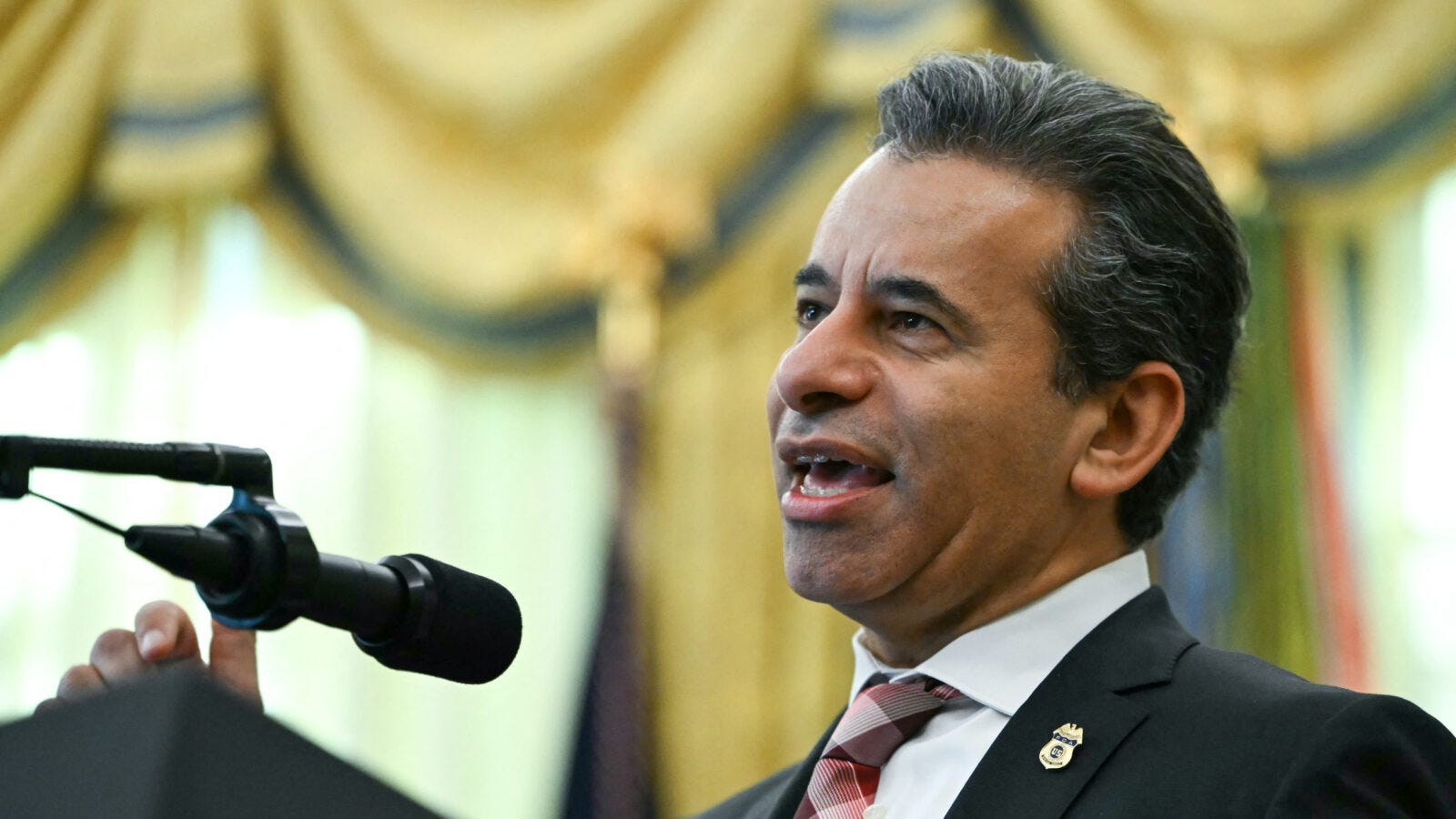
The FDA now exempts features like blood pressure, glucose estimates, and some AI risk tools from medical-device oversight when framed as “wellness.” This clears the way for faster innovation but shifts the burden to clinicians. For longevity docs, more data will flow in without validation; the edge will be knowing what to trust, when to act, and what to ignore.
PHARMA
Aging Research Enters JPM Healthcare
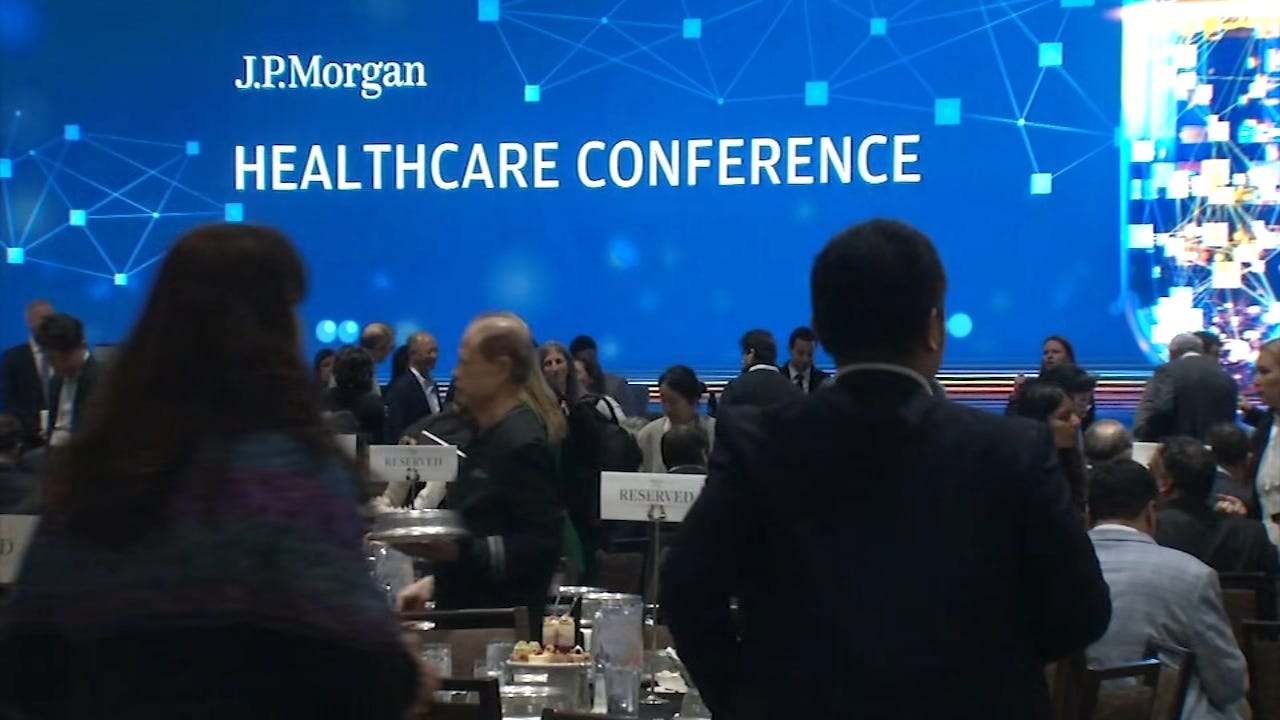
Aging research featured prominently alongside JPM Week in San Francisco, where scientists, investors, and biotech leaders discussed the growing focus on healthspan-oriented therapeutics. At the Biotech Showcase session Transforming Aging: Longevity and Healthspan Therapeutics, companies including Gero, Fauna Bio, Cellino, and R3 Biotechnologies presented distinct approaches spanning AI-driven human data analysis, evolutionary biology, regenerative cell therapies, and next-generation disease models.
SOCIETY
The Race to Measure Aging
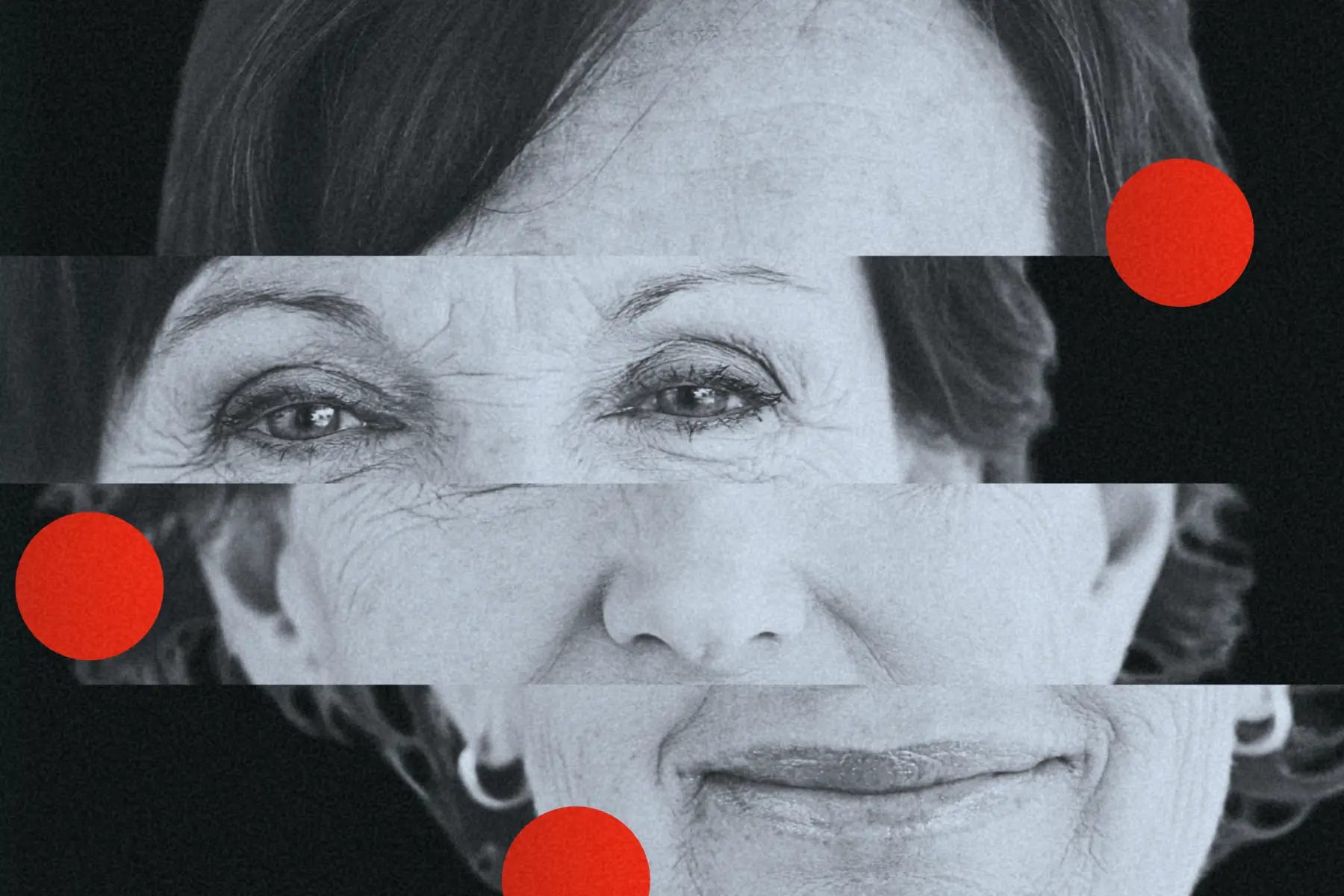
As highlighted in TIME’s Race to Measure Aging, leaders like Eric Verdin are clear: today’s clocks are intriguing research tools, not clinical truths. Patients (and clinics) are already acting on numbers with variable causality, interpretability, and regulatory validation. In practice, this means longevity doctors must resist “biomarkers chasing” and instead anchor decisions in mechanistic biomarkers, organ-specific risk, and longitudinal trends.

Connecting longevity talent with meaningful roles, collaborations, and impact.
Leadership & Clinical Roles
Miami Physician
A Miami-based longevity concierge startup is seeking a trained physician with excellent communication skills and bedside manner to support a highly curated concierge service. Must be based in Miami.
📩 Talent or opportunity to share? Contact us at contact@longevitydocs.org

Conferences
Longevitydocs AI & Tech Mastermind — January 31, 2026 (New York)
CALM — February 27–28, 2026 (Fort Lauderdale, FL)
Longevitydocs Summit, Cannes — June 9 – 11, 2026 (Cannes, France)
A4LI H-SPAN Summit D.C. (Alliance for Longevity Initiatives) — June 29 – July 1, 2026 (Washington, DC)
ARDD (Aging Research & Drug Discovery) — August 24-28 (Copenhagen, Denmark)
Longevitydocs OMICS Mastermind — October 17, 2026 (New York)
Longevity Clinics Roundtables / Buck Institute — tba
Books
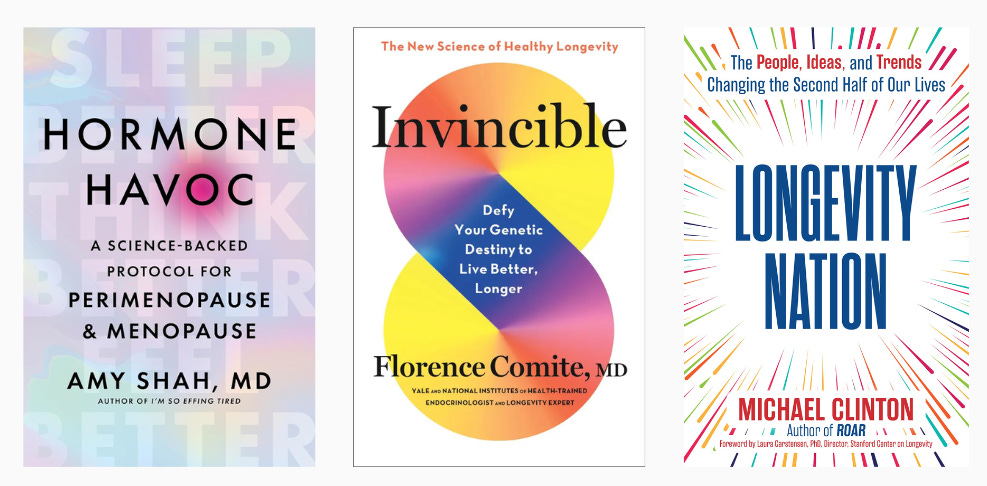
I wanted to share 3 upcoming books from Amy Shah, MD, Florence Comite, MD, and Michael Clinton. Excited for the community to keep educating and raising awareness

The Longevity Medicine Network
longevitydocs.™ is the world’s largest physician network in longevity medicine, serving 600+ vetted physicians across 50+ countries. We unite physicians, industry, and institutions to build the trusted global infrastructure that makes longevity medicine the new standard of care.
Longevity medicine is the personalized, evidence-based practice of modifying the root mechanisms of aging (biological, cognitive, and psychosocial) before they become disease, extending healthspan, not just lifespan. Using advanced diagnostics, precision interventions, and AI-enabled monitoring, it translates measurement into action across every medical discipline. Success is measured in functional capacity, vitality, and disease-free years.
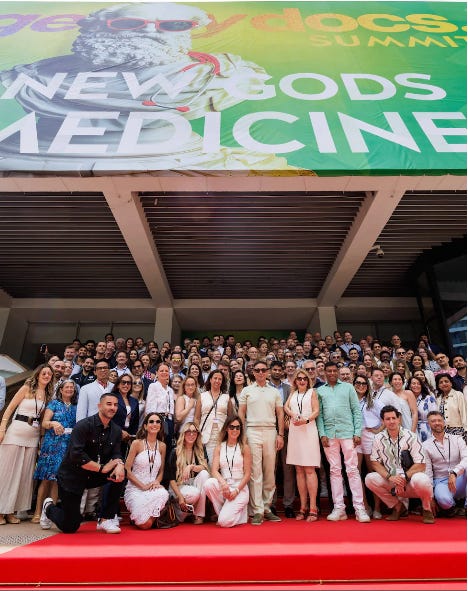
Our Pioneering Approach: Uniting Science, Clinical Practice, and Culture
Professional Network
Global Longevity Community: A curated community of leading longevity physicians fostering peer learning, clinical collaboration, and professional growth
Medical Education
Certified longevitydocs.™ (CLD): The first structured, physician-led clinical curriculum for longevity medicine - comprehensive, evidence-based, and practice-ready.
Clinical Research
Longevity Research Network: Clinical research infrastructure enabling rapid generation of real-world evidence across the Longevity Docs network.
Cultural Experiences
Global Events: From Cannes to New York, our Summits, Awards, Masterminds, and Jefferson Dinners convene top researchers, clinicians, investors, and government officials to shape longevity medicine’s growth, investment, and policy.
Intelligence
Strategic Insights: Weekly syntheses of scientific breakthroughs, clinical best practices, business signals, and global market analysis for Fortune 500 companies - the industry’s trusted source of intelligence.
Not a member yet? Longevity Docs is an invitation-only network of 600+ physicians shaping the future of longevity medicine through clinical collaboration, certification, and global events.
Subscribe to the Longevity Docs Newsletter
Stay connected with a global network of 500+ physicians in 50+ countries advancing longevity medicine. Get evidence-based insights, clinical updates, and exclusive access to the community shaping the future of longevity care.
Newsletter Disclaimer:
cool piece!