


Hey Doc,
This is Sunday!
What I heard: octors want to build their own tools. Knowledge bases. Patient education. Clinical workflows. AI and longevity medicine are converging and the physicians who move first will own their practice completely.
What I saw: the Longevity Docs Cannes Pioneers lineup is coming together. Every name we are announcing has built something, leads something, or funds something in longevity medicine. Not influencers. Operators.
What I believe: the next generation of doctors will not work harder. They will work smarter. They will own their technology, their operations, their patient relationships. All of it. Built on their own terms. That is the future of medicine and it is already happening.
Welcome to the home of longevity medicine!
Dr. David Luu - Founder, longevitydocs.™
In this week newsletter:
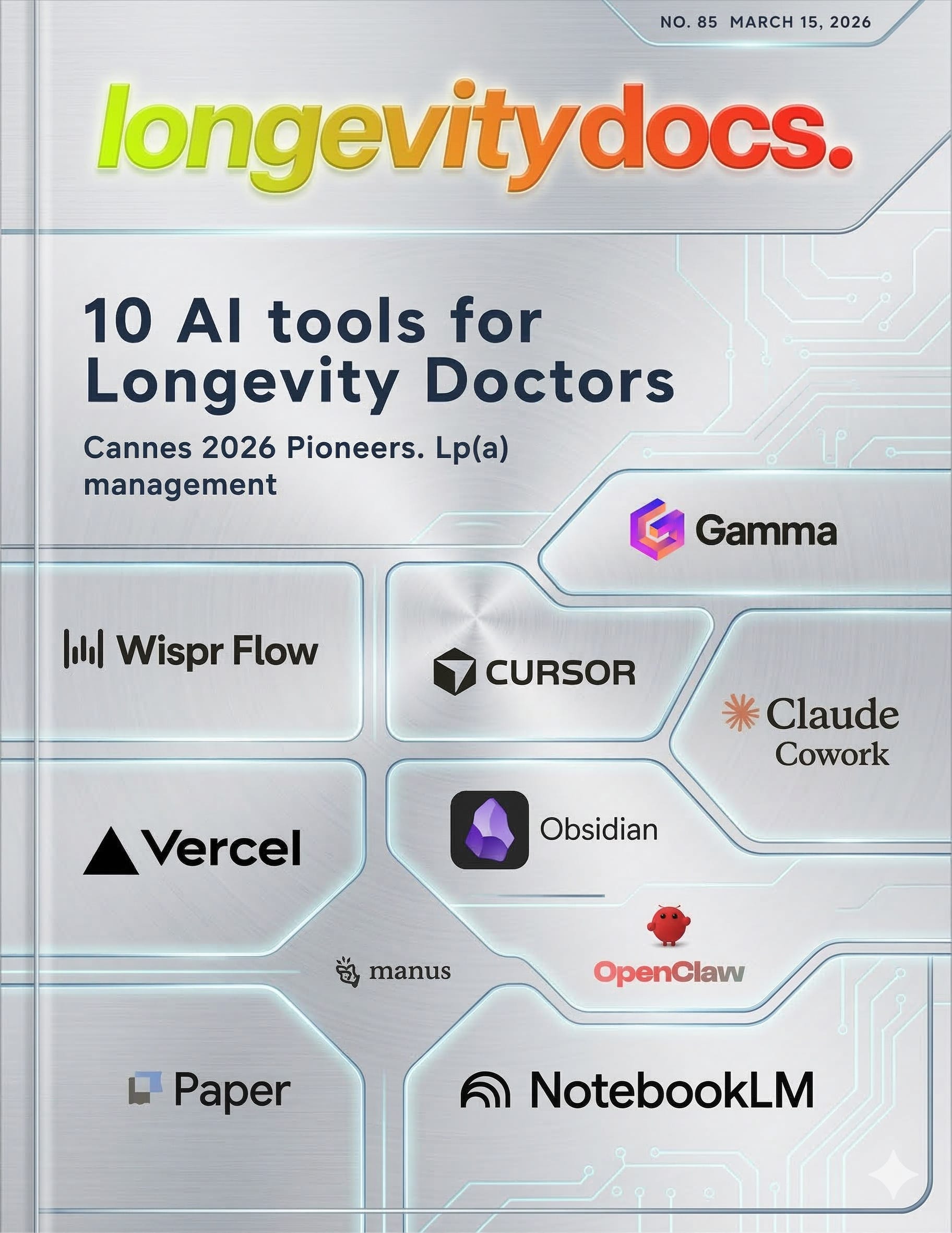
Cover Story: 10 DIY AI tools every doctor needs right now
Cannes 2026: the pioneers we are bringing to the stage
Buzz in the chat: Lp(a) management in practice
Research radar: gut-brain axis, orforglipron, new dyslipidemia guidelines
Intelligence: Amazon, Microsoft, WHOOP
Community: Dr. Jila Senemar-Meyer

We did not invite speakers. We invited pioneers.
Most conferences book names to sell tickets. That is not what we are doing.
Longevity medicine is already being led by doctors. The next step is building the ecosystem around it. Institutions that fund it. Governments that prioritize it. Medical societies that adopt it. Platforms that scale it. Capital that believes in it.
Every pioneer on this stage is a mechanism in that machine. Like the flux capacitor, the device that made time travel possible in Back to the Future, none of this works without each part.
This is not longevity medicine conference. We are building it in real time, in that room.
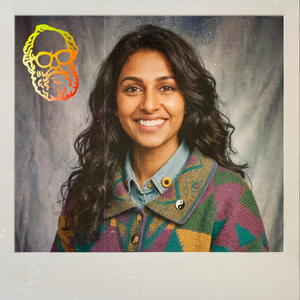
SARANYA WYLES, MD Medical Director, Mayo Clinic
Dr. Wyles leads dermatology and longevity medicine at Mayo Clinic, one of the most trusted medical institutions on the planet. She’ll take the stage to share how Mayo is building a dedicated hub for skin and longevity, and what it means when a world-class institution puts its full weight behind this field.
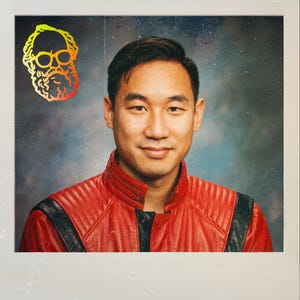
SAEJU JEONG Co-Founder & Executive Chair, Noom
Saeju co-built Noom into the fastest-growing behavioral change company in the world. In Cannes, he joins us for an entrepreneur session on the business and science of behavior change — and why he’s now turning his attention to longevity. A rare founder’s perspective that every physician in the room will want to hear.
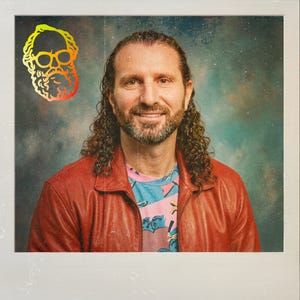
RAFID FADUL, MD Chief Medical Officer, ARPA-H
ARPA-H exists to fund the medical breakthroughs that no one else will. Dr. Fadul will lay out the U.S. government’s current strategy and priorities on aging research — where federal investment is going, what’s being built, and why now is the most important moment in longevity policy history.
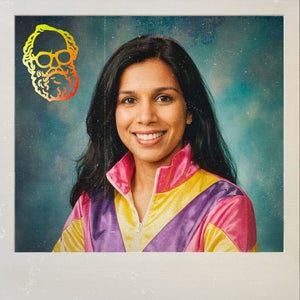
AMI BHATT, MD Chief Innovation Officer, American College of Cardiology
Medical societies shape how medicine moves. Dr. Bhatt will address how professional institutions can actively support longevity science and medicine — from clinical guidelines to technology adoption to physician education. A session for anyone who wants to understand how the establishment becomes an ally, not an obstacle.
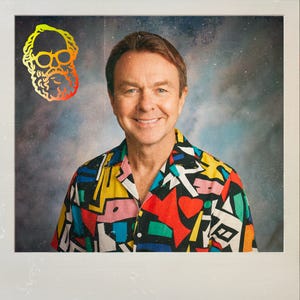
MICHAEL CLINTON Founder, ROAR / Former President, Hearst Media
Michael Clinton spent decades leading one of the world’s most powerful media groups as President of Hearst Media. In Cannes, he moderates key panels and brings a perspective the medical world rarely gets: how culture, narrative, and media shape the way longevity reaches the people who need it most.
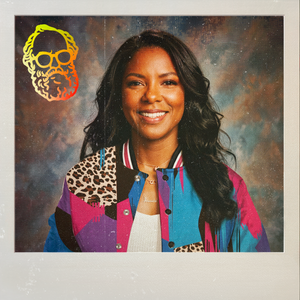
JESSICA SHEPHERD, MD Chief Medical Officer, hims & hers
Dr. Shepherd is one of the most prominent voices at the intersection of women’s health and direct-to-consumer care. She’ll cover how DTC models are reshaping access to women’s longevity medicine — what’s working, what’s missing, and how physicians can lead in a space that’s moving fast.
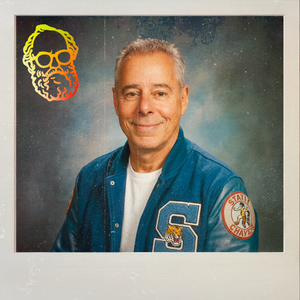
GIOVANNI CAMPANILE, MD Chief Medical Officer, CorAeonn
Cardiovascular disease remains the number one cause of death globally. Dr. Campanile will deliver a practical playbook for heart longevity — the clinical strategies, biomarkers, and interventions every longevity physician should have in their toolkit to keep patients’ hearts younger, longer.

GEOFF COOK CEO, Noom
Geoff leads the platform that has brought evidence-based health behavior to tens of millions of people online. His session will explore how digital care platforms can democratize longevity medicine — making what was once reserved for elite clinics accessible to a far broader population.
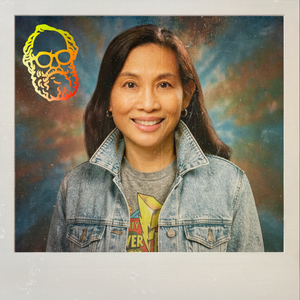
DIANE TY Managing Director, Milken Institute
Diane brings the Milken Institute’s lens on health economics and policy to Cannes as moderator of our institutional panel. She’ll guide the conversation on what it takes to build a longevity ecosystem at scale — bridging capital, policy, research, and clinical practice in one room.
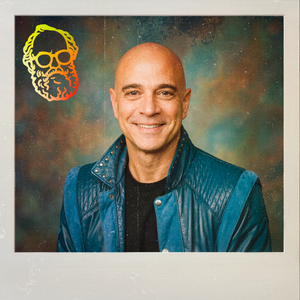
ZAHI FAYAD, PhD Director of Biomedical Engineering & Imaging, Mount Sinai
Dr. Fayad represents the full force of Mount Sinai’s innovation engine. He’ll bring Mount Sinai’s voice across three dimensions: cutting-edge clinical research, applied patient care, and the future of physician education in longevity medicine. Institutional innovation at its most concrete.
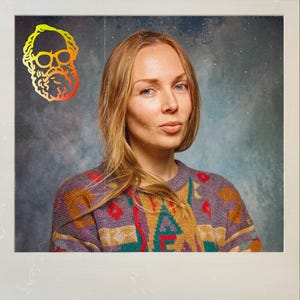
EVELYNE BISCHOF, MD, PhD Sheba Medical Center
Dr. Bischof is making the case that longevity medicine doesn’t belong only in private clinics. Drawing from her work at Sheba Medical Center, one of the world’s top public hospitals, she’ll show how longevity care can be delivered at scale within the public health system — and why that’s the next frontier.
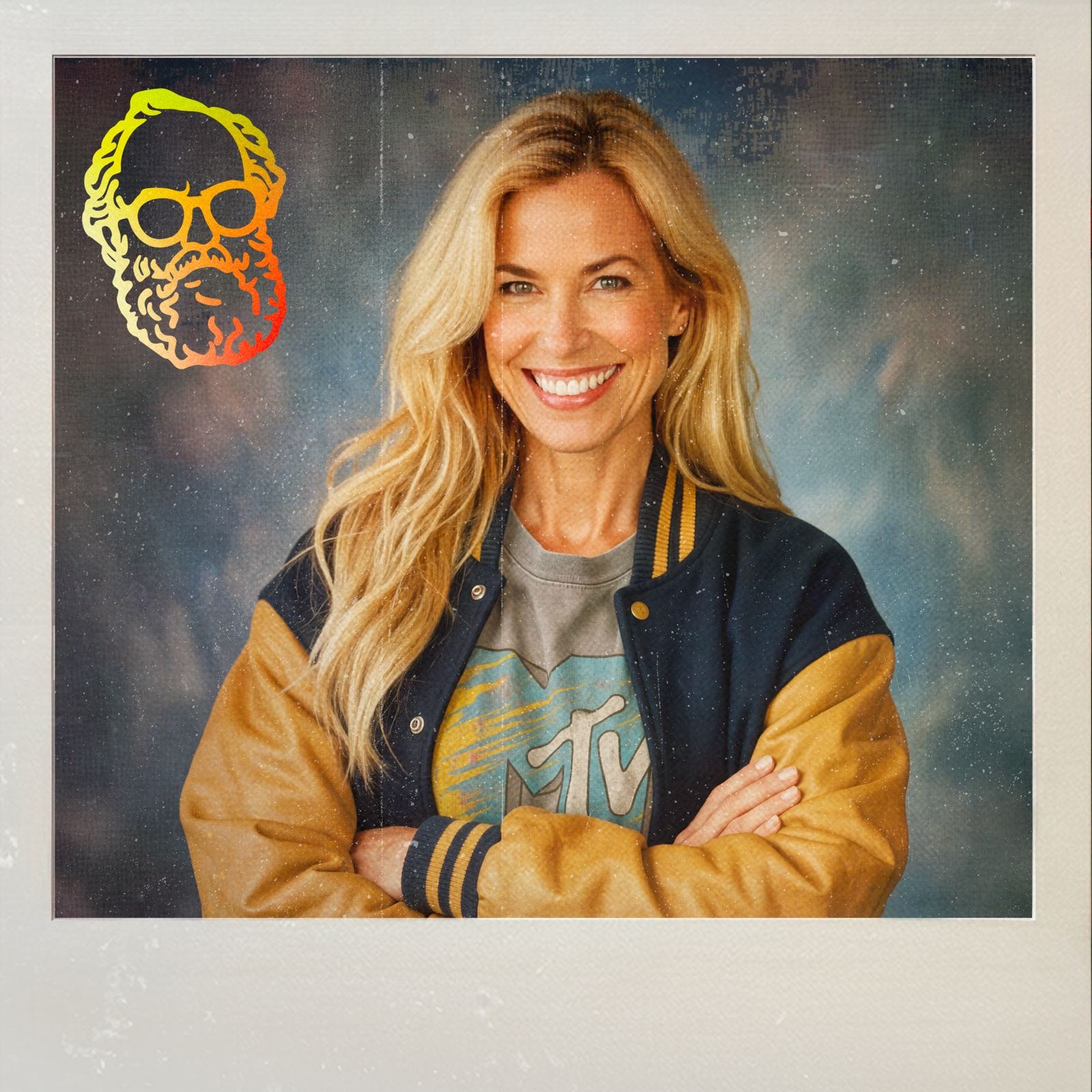
DAWN MUSSALEM, MD Chief Medical Officer, Fountain Life
Dr. Mussalem is at the forefront of longevity medicine’s most urgent operational challenge: how do you scale a world-class longevity clinic without compromising clinical standards? At Fountain Life, she is building the answer. In Cannes, she’ll share the blueprint for scaling longevity care with Mayo Clinic-level rigor — and why getting this right is the difference between a trend and a transformation.
More pioneers coming. We are building the home of longevity medicine.

Each week, I try to explore one idea that could advance longevity medicine and hopefully support physicians in bringing it to life.
10 DIY AI tools to build your longevity practice
Imagine your entire practice running on technology you built yourself. Patient education. Onboarding. Follow-up. Billing. Lab visualization. Calendar. Team management. Revenue tracking.
No enterprise software. No six-figure IT contract. No developer on retainer.
You. A laptop. The right tools.
That world exists today. I live in it. Here are the ten tools that get you there.
From basic to advanced:
Wispr Flow: I haven’t typed a full sentence in few weeks. I dictate everything and it transcribes instantly, in my voice. If you spend more than an hour a day typing, this pays for itself in week one.
Gamma: Grand rounds presentation in 48 hours and no deck? Gamma builds it from a paragraph of text. Clean slides, smart structure, zero design skills required.
Perplexity Computer: Forget Googling. Perplexity searches, synthesizes, and cites. Deep literature pulls, quick clinical questions, competitive research. It’s what Google should have become.
Claude Cowork: Your AI desk partner. Feed it your documents, protocols, research. It creates local agents that know your context. Think of it as a brilliant assistant who has read everything you’ve ever written.
Obsidian: Obsidian is a local, offline knowledge base where you connect your notes, research, and protocols into a personal thinking system that compounds over time: your clinical brain, organized and searchable, with no cloud and no data exposure.
Manus: Rapid AI prototyping. Spin up a product idea before committing to full development. Two hours to a working prototype you can show investors or partners.
Paper: I replaced Figma with this. Mock up patient decks, presentation visuals, brand assets in minutes. Fast, elegant, no design degree required.
Cursor: A code editor powered by AI. You don’t need to be a developer. Describe what you want, it builds it. I’ve shipped functional tools without writing a single line from scratch.
Vercel: One click to publish anything to the web. Tools, landing pages, apps. No IT department. No dev team. If you’re building a practice, a product, or a brand, this is your infrastructure.
Openclaw: AI infrastructure for teams. Connect your systems, automate workflows, run backend operations. Not for day one, but when you’re ready to scale, you’ll know why it’s on this list.
Bonus: NotebookLM: this is Google’s AI research tool. Upload your papers, guidelines, protocols, and it reads them, finds connections, and lets you interrogate your own knowledge base like a conversation.
Conclusion
You don’t need all ten. You need two or three that solve your biggest friction points right now. Start with Wispr Flow if you’re drowning in admin. Start with Claude Cowork if you want a smarter research partner. Start with Gamma if you have a deck due tomorrow. Play with them. Invest time. Build your personailzed stack.
Want to go further?
If you want to see how doctors are actually coding their own tools, automating their clinics, building patient apps, and shipping products, join our AI chat group. This is where it gets real.

Every week, the Longevity Docs WhatsApp group feels like a front-row seat to the future of medicine. Here’s what had doctors buzzing:
Lp(a) management: what Longevity Docs are doing in practice
From emerging clinical signals to stubborn non-responders. Here is how our physicians are approaching one of the most complex lipid challenges in longevity medicine.
Lp(a) declining on rosuvastatin 5mg and a GLP-1, no PCSK9 inhibitor. One physician is seeing this across a growing cohort and wants to correlate with serial imaging. The question: is the GLP-1 anti-inflammatory effect doing what we assumed required targeted therapy?
“Same lab, same units, 3 months apart. All other inflammatory markers level. I am continuing to see this across my fairly large group of patients.”
CTA one year apart introduces too much variability. Use CIMT instead. The statin paradox: up to 30% of patients see Lp(a) rise on statins. The hypothesis is that the anti-inflammatory mechanism is driving the reduction, not the statin itself. For extreme cases: apheresis.
“Statins in general are hit or miss with Lp(a), and up to 30% of patients actually increase. I am curious if the GLP anti-inflammatory effect is doing this.”
Meta-analysis of RCTs supports the ApoB/A1 ratio as a better treatment target than isolated Lp(a). Target: 0.2 to 0.3 in high-risk patients, with documented disease reversal as the result.
“In my patients with elevated Lp(a) and ASCVD, I aim for an ApoB/A1 of 0.2 to 0.3. I have been seeing significant reversal of disease using this approach.”
“When Repatha moved Lp(a) only from 169 to 145 nmol/L after two months, the playbook emerged: lower total ApoB below 60, add ezetimibe, rule out masked hypertension, assess insulin sensitivity. Do not fixate on the number. Optimize everything around it.”
Olpasiran shows 90 to 95% Lp(a) reduction in trials. But the right question is being asked before the hype takes over.
"Niacin and Repatha have been shown to moderately reduce but no proven outcome benefit yet. Are we treating just a number? Is the juice worth the squeeze? TBD."
3 takeaways
An unexpected anti-inflammatory pathway may be lowering Lp(a). Emerging signal, not settled science. Track it prospectively. If you are imaging, consider CIMT, not CTA at short intervals.
ApoB/A1 ratio may be the better target. A ratio of 0.2 to 0.3 in high-risk patients, with documented reversal, is a practical framework worth adopting, especially when Lp(a) will not move.
Until olpasiran arrives, the playbook is clear: lower ApoB aggressively, blood pressure below 120/80, optimize insulin sensitivity, measure arterial stiffness with pulse wave velocity.
Ready to practice longevity medicine the right way?
The Certified Longevity Doctor (CLD) program gives you the clinical framework, the evidence base, and the community. Join the next cohort.

New ACC/AHA dyslipidemia guidelines (March 2026)
Key changes: lower LDL targets across risk tiers (below 55 mg/dL for very high-risk), a new PREVENT-ASCVD calculator replacing models that overestimated risk by 40 to 50%, and Lp(a) now recommended for at least one lifetime measurement in all adults. ApoB recognized as a better risk estimator in metabolic conditions.
Why it matters: if you are not screening Lp(a) routinely, this guideline gives you the institutional backing to start. The risk calculator change also affects how you communicate cardiovascular risk to patients.
Gut microbiome drives age-related cognitive decline
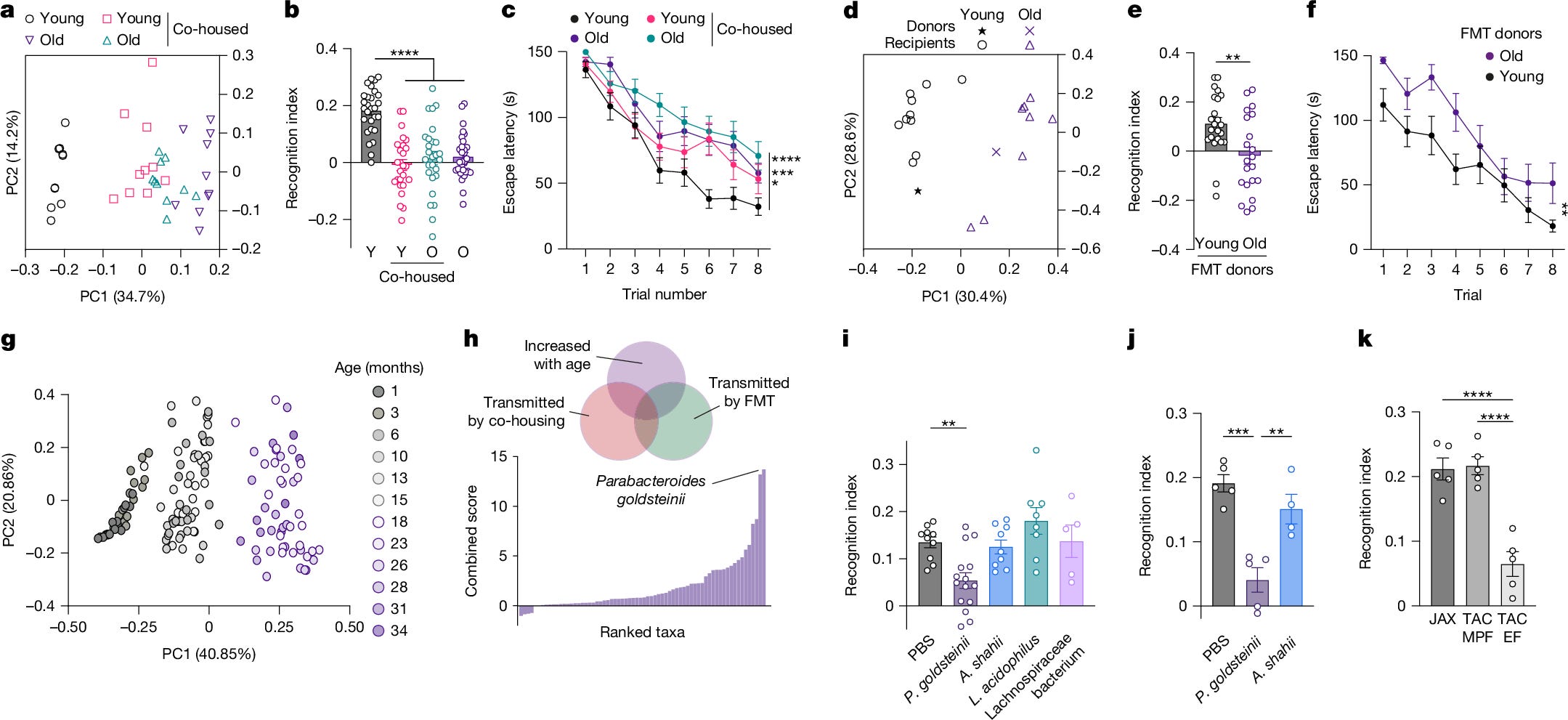
Stanford researchers identified a specific mechanism: the bacterium Parabacteroides goldsteinii increases with age, activates myeloid inflammation, impairs vagal signaling, and disrupts hippocampal function. Old mice treated with a vagus nerve activator, including GLP-1 and capsaicin, performed cognitively like young animals. Nature
Why it matters: another mechanism linking GLP-1 to cognitive protection. The vagal pathway is becoming a serious longevity target. Watch this space.
Orforglipron beats oral semaglutide on every endpoint
Lilly’s ACHIEVE-3 trial: orforglipron, a once-daily non-peptide oral GLP-1, reduced HbA1c by 2.2 points versus 1.4 for semaglutide, and body weight by 9.2% versus 5.3%. No food or water restrictions. Separation visible by week 4. FDA decision expected April 2026. Lancet
Why it matters: if approved, this changes patient adherence conversations entirely. A GLP-1 with no fasting protocol is a different product in a patient’s daily life.
Most comprehensive cellular aging atlas ever published
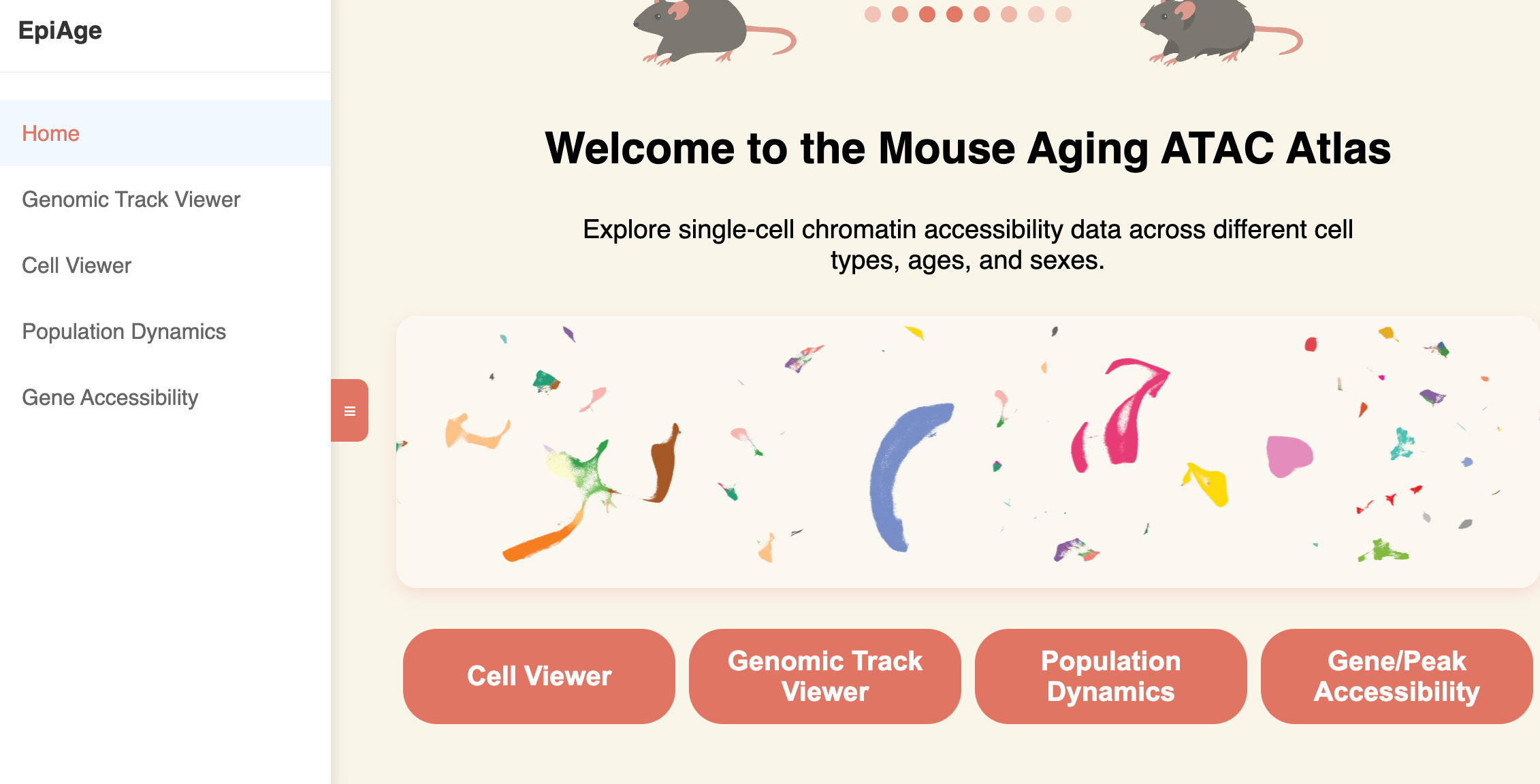
Rockefeller researchers mapped nearly 7 million cells across 21 mouse organs at three life stages. Finding: aging begins earlier than expected and unfolds in a synchronized way across the entire body. About 40% of aging changes are sex-dependent, with females showing broader immune activation. Science Epiage
Why it matters: this data will anchor the next generation of aging clocks. And the sex-specific findings reinforce what many of you already see clinically in female patients.

Every week, I track funding, FDA approvals, product launches, and breakthrough announcements shaping longevity medicine.
CARE
Amazon launches health AI to all US customers
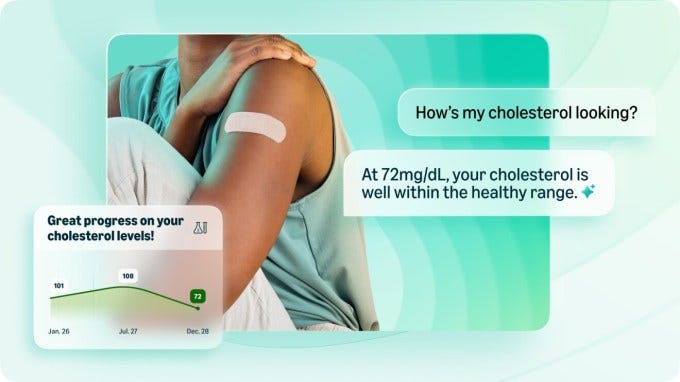
Free 24/7 virtual care for 200 million Prime members. Answers questions, explains health records, manages prescription renewals. Multi-agent architecture with real-time audit and HIPAA compliance. Fierce Healthcare
Human Longevity launches AI-powered app
Combines AI with longitudinal data from their Executive Health program. Continuous access to results, personalized insights, AI chat between visits. The annual checkup transformed into a continuous experience.
───
AI
Microsoft Launches Copilot Health
Combines wearable data from Oura and Fitbit, EHR access from 50,000+ US hospitals, and verified clinical information from Harvard Health. Health conversations isolated from general Copilot. Waitlist open now. Microsoft AI
───
WEARABLES
WHOOP adds women’s health biomarker panel
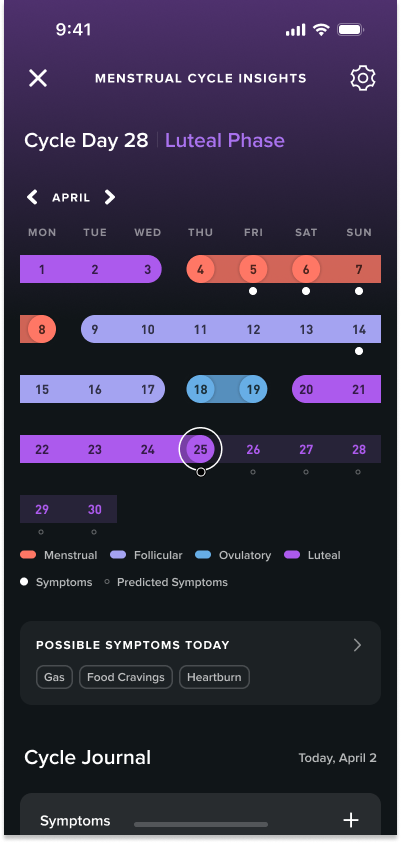
11 female-specific blood biomarkers including AMH, progesterone, prolactin, TPOAb, thyroid markers, leptin, B12, folate, magnesium, and phosphate. Results integrate with cycle tracking for personalized ranges. WHOOP Press Center
───
PHARMA/BIOTECH
Lilly’s orforglipron and retatrutide named defining GLP-1s of the next decade
Clarivate names both as the pipeline drugs to watch. Retatrutide, a triple agonist targeting GLP-1, GIP, and glucagon, is in Phase 3 for obesity and MASH. Pharmexec

Certified Longevity Docs Spotlight: Jila Senemar-Meyer, MD

Dr. Jila Senemar-Meyer is a board-certified physician who transitioned to a full longevity practice in under a year. Starting solo, she now runs a three-person operation to meet growing patient demand. She is an advisor to MindBodyGreen and a Certified Longevity Docs (CLD) Cohort 1 physician.
Why did you make the transition to longevity medicine?
“I knew what women needed. When you go into the self-pay model, it’s a different animal. Do they understand the value? Are they willing to invest or not? And the ones who do — they are above, they’re just over the moon with it because they’re getting the care that they’ve wanted for so long.”
What has been your experience with the CLD program?
“It’s weird — I thought I would have time to get right through it and I’m finding I’m all over the place, but it’s easy to get through the chapters. I’m almost at chapter six. The way you have it with the talking in the middle and then a few points — it’s little bits that you’re getting quickly. It’s not like listening because I’ve done these courses where it’s like you listen to someone talk for 45 minutes and they lose you. With this, the guy talks for like a minute and a half, and then right underneath it, what he’s discussing, it’s all written out in detail. Then the next point is two or three questions regarding it, which I find helpful.”
How have the case studies helped?
“The case studies are really to implement — the epigenetic testing and the biomarkers and all of that. When you throw out these words they’re kind of scary. But when it’s broken down, I’m like, oh okay, I know what these are. I’ve done these, now I can expand upon them. So I’m actually developing stuff as I’m going through the units.”
How has your practice grown since starting?
“I knew that there was a demand. I just didn’t realize how huge the demand was. I probably would have done things a little bit bigger because right now I’m already growing out of my space. I had one person working, I’m already up to three people with assistants and back end managers. The volume is insane and it’s just going up and up and up. People are already approaching me to scale it going forward.”
What do you wish you had known before making the transition?
“I wish I would have taken the demand into consideration a year ago. But here we are. We’re working with this. It’s already being built out to be bigger in the next eight months probably.”

Mastermind Replays Now Available
3 Masterminds. 3 topics reshaping longevity practice: AI & Tech, Peptides, and Hormones - featuring the dozens of faculty. Trusted by hundreds of physicians
If you weren’t in the room, this is your second chance.

Conferences
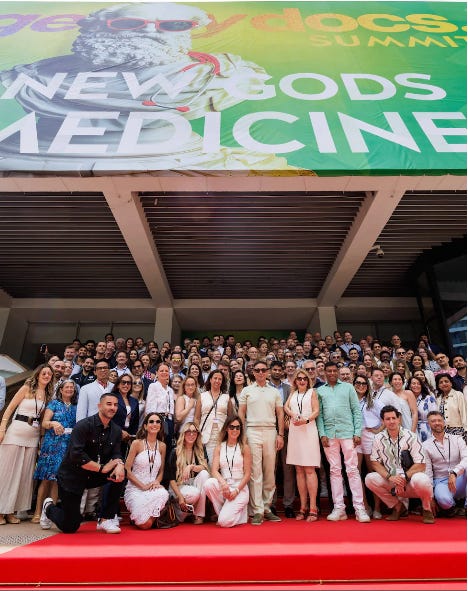
Jun 9–11 — Longevity Docs Cannes 2026": Awards & Summit
Jun 29–Jul 1 — A4LI H-SPAN Summit · Washington, DC Longevity medicine meets regulation and policy.
Aug 24–28 — ARDD · Copenhagen, Denmark Where aging research meets drug discovery.
Oct 17 — Longevity Docs Skin Longevity Mastermind · New York, NY. Curated physicians. Deep science. One room.
TBA — Longevity Clinics Roundtables · Buck Institute Clinical practice meets research infrastructure.

The Home of Longevity Medicine
longevitydocs.™ is the world's leading longevity physician community - 600+ doctors across 50 countries united by a single conviction: every doctor should be a longevity doctor. Founded by Dr. David Luu, the platform offers its members network, education, and experience with the mission to democratize longevity medicine.
Not a member yet? Join longevitydocs™
We’re a physician-only network. Curated. Vetted. Built on trust. If you’re committed to practicing longevity medicine with rigor, peer support, and shared standards → this is your community. Apply to connect with our team.
Longevity medicine is the personalized, evidence-based practice of modifying the root mechanisms of aging (biological, cognitive, and psychosocial) before they become disease, extending healthspan, not just lifespan. Using advanced diagnostics, precision interventions, and AI-enabled monitoring, it translates measurement into action across every medical discipline. Success is measured in functional capacity, vitality, and disease-free years.
Subscribe to the Longevity Docs Newsletter
Longevity medicine is moving fast. Every week, we bring you what matters: clinical insights, research signals, and perspectives from 600+ physicians across 50+ countries. One newsletter. Built for the physicians shaping this field.
Editorial Disclaimer: